

Moving to Montréal for school is exciting—until the housing search starts. For many students, the stress doesn’t come from classes. It comes from trying to secure a room, sign a lease, and set up life in a new city while everything moves too fast.
Rental burnout is the point where the apartment hunt stops feeling like a checklist and starts feeling like a grind. You’re refreshing listings, booking viewings, writing messages that never get answered, and doing math on the fly—only to realize someone else got the place an hour earlier. If you’re also handling a visa timeline, course registration, and a budget that can’t stretch, it’s easy to feel drained before the semester even begins.
That’s where student coliving has started to matter. In Montréal, coliving apartments are quietly becoming a practical way to avoid the worst parts of the rental process—especially for newcomers and short-term students.
Why Renting in Montreal Hits Students Hard
July 1 turnover + peak student season
Québec’s moving culture has a built-in pressure point: July 1. A huge share of leases end and begin around that date, which creates a predictable rush. Add the late-summer student wave—move-ins tied to September programs, and you get the same pattern every year: panic searches, quick decisions, and too many people trying to land too few good options at the same time.
Competition near campuses
Housing around McGill, Concordia, and Université de Montréal moves fast—especially in areas students tend to prefer because they’re walkable, metro-friendly, and close to daily essentials. Listings in those zones are often gone before you’ve had time to ask basic questions, let alone schedule a viewing. Even when you find something decent, you’re competing with other students, young professionals, and anyone else trying to stay central.
The paperwork gap
Traditional rentals often assume you already have a Canadian footprint:
-
a steady local income
-
a Canadian credit history
-
a guarantor who understands the system
-
references that a landlord recognizes
If you’re new to Canada, that can be a problem. Many students don’t have a credit file yet, and international students may not have local employment. Even when you can clearly afford rent, proving it in the format a landlord expects is its own hurdle.
Language + rules
Montréal is bilingual, but Québec has its own rental norms. Standard lease forms and notices are part of everyday renting here, and French often shows up in paperwork, building communications, and landlord messaging. You don’t need perfect French to live in Montréal, but you do need to read carefully, keep records, and understand timelines. (This isn’t legal advice—just a reminder that Québec rental rules aren’t always the same as in other provinces.)
What Coliving Means in Montreal (And What It’s Not)
The basic setup
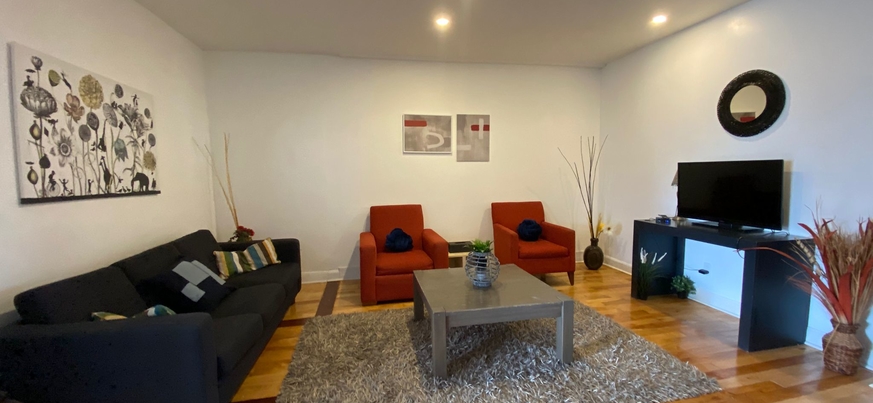
Most coliving for students looks like this:
-
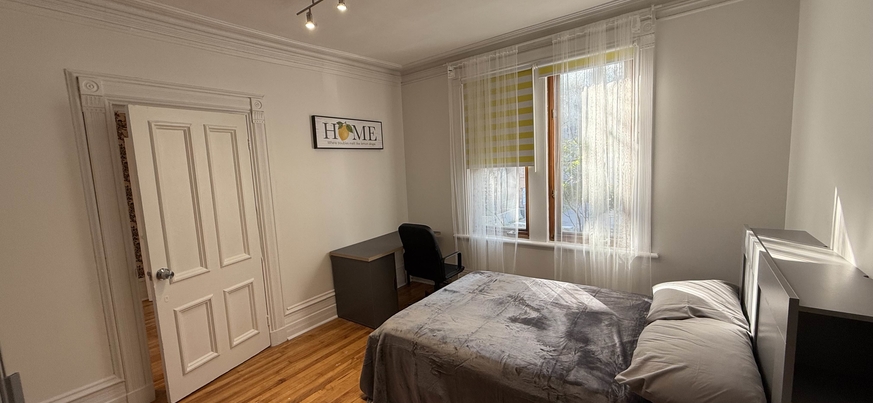
you rent a private bedroom
-
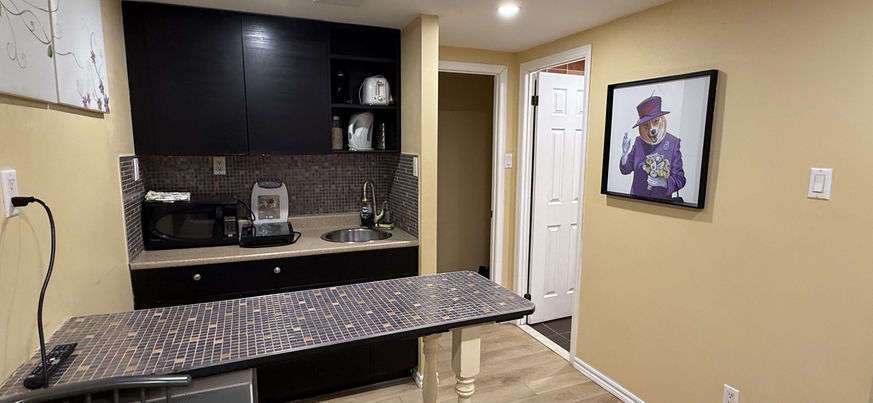
you share a kitchen and living space
-
the place is usually furnished
-
utilities and Wi-Fi are often bundled into one monthly payment
In practice, coliving is closer to a managed shared home than a random roommate situation. Many coliving apartments are designed for short to mid-term stays, which fits how students actually move: semesters, exchanges, internships, summer programs, and uncertain timelines.
What “managed” changes
The “managed” part is what makes the difference. In many setups, you’ll see:
-
clear house rules (quiet hours, guests, cleaning basics)
-
a defined process for maintenance requests
-
scheduled cleaning for shared spaces
-
a point of contact if something breaks
That structure removes a lot of the friction that causes roommate conflict in traditional shared leases.
What to watch for
Coliving isn’t magic. You still need to be realistic about:
-
privacy (you have your own room, but shared areas are shared)
-
visitors (rules can be stricter than a normal apartment)
-
noise (it depends on the building and the house culture)
-
expectations (some places are social; others are quiet and study-focused)
The best coliving homes make rules clear upfront so you don’t discover them after move-in.

The Real Reasons Coliving Reduces Burnout
Faster, simpler move-in
With coliving, you typically do fewer viewings, submit less paperwork, and get decisions faster. Some operators allow remote booking or virtual tours, which matters if you’re arriving from another province or from abroad.
Predictable monthly costs
One of the biggest stressors for students is not knowing the true monthly number until everything is added up. Coliving often bundles rent, Wi-Fi, and utilities into one payment, which makes budgeting simpler and reduces surprise bills.
Less risk of scams
Rental scams hit students hard because students are often searching quickly and remotely. Coliving setups tend to have clearer verification, standardized processes, and real support channels. That doesn’t mean you should skip due diligence—but it reduces the chance you’re negotiating with a “landlord” who disappears after an e-transfer.
Flexibility
A 12-month lease doesn’t match every student’s reality. Student coliving often fits 4–8 month timelines: exchange terms, internships, co-ops, language programs, and “I’m not sure yet” situations.
Social + support layer
Moving to a new city can be isolating, especially if you don’t know anyone. Coliving offers a built-in community—sometimes casual, sometimes intentional. Even if you’re not looking for new best friends, it helps to have other people around who understand the same schedule pressures and newcomer logistics.
Coliving vs Traditional Roommates (The Honest Trade-Off)
Where coliving wins
Coliving usually wins on:
-
predictable rules
-
cleaner shared spaces
-
faster maintenance
-
flexible terms
-
less “roommate roulette”
If your stress comes from uncertainty and time pressure, these points matter.
Where traditional rentals win
Traditional shared apartments can still be better when:
-
you already know your roommates
-
you want full control of the space
-
you’re staying long-term
-
you’re aiming for the lowest possible rent
If you’re comfortable managing bills, cleaning schedules, and conflict resolution, a classic lease can work fine.
Who benefits most
In Montréal, coliving quebec setups tend to help most when you’re:
-
an international student (new system, no credit file yet)
-
a first-year student (new city, new schedule, limited time)
-
in a short-term program (one semester, internship, exchange)
Budget Reality — Is Coliving Actually Affordable?
How to compare fairly
To compare honestly, don’t look at rent alone. Compare the full monthly cost:
-
Wi-Fi and utilities
-
furniture (or the cost to buy it)
-
laundry (in-unit vs paid machines)
-
deposits/setup costs
-
time and transportation costs (long commutes add up fast)
A slightly higher rent can be cheaper overall if it removes big upfront expenses and reduces waste.
3 budget scenarios
1) Bare-bones shared lease. Lowest rent potential, but you may pay separately for internet, hydro, furniture, and setup. More admin, more uncertainty.
2) Coliving apartments. Often a higher sticker price, but more is included. Good for predictable planning, especially for short stays.
3) Studio alone. Maximum privacy and control, usually the highest monthly cost once everything is included, plus more responsibility for setup and repairs.
Money-saving tips
-
Start earlier than you think—good options go first
-
Choose metro access over “right downtown” if your budget is tight
-
Avoid arriving exactly at peak move-in weekends if you can
-
If you’re doing coliving, prioritize a room that already includes the essentials (desk, decent storage, reliable Wi-Fi)
How to Choose a Good Coliving Option in Montreal
Location
Ask practical questions:
-
What’s the commute time to campus?
-
What’s the nearest metro station?
-
Are groceries, pharmacies, and basics within walking distance?
-
Does the area feel safe at night?
Room features
Small details matter when you’re studying:
-
a real desk setup
-
storage that isn’t an afterthought
-
a window and natural light
-
noise level (street-facing rooms can be loud)
House operations
Before you commit, confirm:
-
cleaning schedule for shared areas
-
how maintenance requests are handled
-
guest policy and quiet hours
-
how conflicts are managed (if at all)
Contract clarity
Read the terms like you’re reading a syllabus:
-
deposits (what’s required, when it’s returned)
-
cancellation rules
-
minimum stay
-
what’s included in the price
Safety checklist
-
verify the address and the operator identity
-
read recent reviews (not just the best ones)
-
request a video tour if you can’t visit
-
use normal payment methods—avoid anything that feels rushed or off-platform

7-Day “No-Panic” Move-In Plan for Students
Day 1: Shortlist
Pick 6–10 options in two areas you’d actually live in (based on metro access and daily needs).
Day 2: Verify
Confirm address, operator identity, inclusions, and total monthly price.
Day 3: Tour
In person if possible. If not, do a live video tour. Ask about noise, Wi-Fi, and shared-space rules.
Day 4: Prepare documents
Have these ready in one folder:
-
photo ID
-
acceptance letter or proof of enrolment
-
proof of funds or income (bank statement or sponsor letter, if relevant)
-
references (if you have them)
Day 5: Apply / Book
Submit quickly—good rooms don’t sit.
Day 6: Confirm arrival details
Move-in time, key pickup, building access, house rules, and what’s provided (linens, cookware, etc.).
Day 7: Move-in checklist
Take photos of your room on day one. Confirm Wi-Fi access and basic maintenance contacts.
Montreal Aparthotel Insert
Coliving isn’t the only way to reduce rental burnout. If you want the same simplicity but more privacy, a furnished mid-term stay can do the job—especially for students arriving early, waiting for a permanent lease, or staying one semester.
Montreal Aparthotel offers:
-
furnished apartments with flexible stays
-
Wi-Fi and a study-ready setup
-
locations with easy metro access and predictable pricing
Browse listings by neighborhood and dates at Montreal Aparthotel.
Common Mistakes Students Make (And How Coliving Helps Avoid Them)
-
Waiting until late August to start searching
-
Sending money before verifying a real address and a real lease
-
Focusing on rent only, then getting hit with utilities and setup costs
-
Signing a 12-month lease for an 8-month program
-
Choosing a place with a long commute that feels fine in September and brutal in February
Coliving reduces the damage from these mistakes because it’s typically faster to secure, clearer about what’s included, and easier to match to short timelines.
Final thoughts
If you’re already exhausted by viewings, unanswered messages, and paperwork, it’s not a personal failure—it’s the market. Coliving doesn’t solve every problem, but it does solve the most common student problems: speed, clarity, predictable costs, and a living setup that doesn’t fall apart the minute schedules get busy.
For many students, coliving quebec options are less about trendiness and more about staying functional through the semester.
FAQ
Is coliving safe in Montreal?
It can be, especially when the operator and address are verified and the process is clear. Always do a tour or a live video call before you pay anything.
Is coliving cheaper than renting an apartment?
Sometimes yes, sometimes no. It’s often more predictable because utilities, Wi-Fi, and furniture are included—so the true monthly total can be competitive.
Can I book from abroad?
Many coliving providers allow remote booking, but you should still verify the address, the contract, and payment method.
Do I get my own room?
In most student setups, yes: a private bedroom with shared kitchen and living space.
How long are typical stays?
Common stays match academic timelines: a semester, a summer program, an internship, or 4–8 months.
What neighbourhoods are best for students?
Look for areas with fast metro access to your campus and everyday essentials nearby. The “best” neighbourhood is the one that matches your commute and budget.
What’s the best time to look?
Earlier than peak season. If you can start in late spring or early summer, you’ll have more options than the late-August rush.
Add new comment