
Montréal is a good place for international students, especially if you want a lively, walkable student city with strong universities, authentic café culture, and a bilingual environment that can support your career after graduation. It performs well for student satisfaction, culture, and overall value compared with other major Canadian cities such as Toronto and Vancouver.
In this article, you’ll see why Montréal shows up in global best student cities lists, how the QS student cities ranking works, what “student view” and “student mix” really mean, and how costs, housing, transportation, safety, and the job market shape day-to-day living.

Why Montréal Ranks Among QS Best Student Cities
The QS Best Student Cities list (also written as QS Best Student Cities) is a widely referenced ranking that compares cities around the world for study abroad. In the QS Best Student Cities 2025 edition, Montreal placed 10th with an overall score of 92.1/100, putting it among the top ten best cities globally—and inside the top ten cities overall.
QS evaluates cities using six key categories:
-
Student view
-
University rankings
-
Desirability (including pollution levels and perceived safety)
-
Affordability
-
Employer activity
-
Student mix
In North America, Montréal has often been a regular contender near the front of the pack, competing with major city regions in the U.S. and outperforming many peers on affordability. In the same 2025 QS list, Toronto ranked 11th and Vancouver ranked 19th, highlighting how Montréal can feel like a “best city” option for students who want a big-city experience without the highest price tag.
Strong universities and programs
Montréal’s reputation starts with its educational institutions and research output. As a study destination in Canada, the city offers top-tier undergraduate and masters pathways, strong lab ecosystems, and broad discipline choices—from engineering and health sciences to business, design, and social sciences.
Global, multicultural student environment
The city's population is diverse, and international learners are a visible part of everyday life—on campus, in neighbourhoods, and across cultural events. For many international students, that sense of community makes the transition easier in the first month, when you’re setting up banking, your phone plan, and every practical account you need to start your journey.
A unique bilingual experience
Montréal is realistically English-friendly—many programs and services function in both English and French—but French matters more the longer you stay. If you plan to work locally, French can widen your options and help you integrate beyond the downtown bubble.
Student Experience: Student View and Student Mix
QS uses student view as a measure of how students rate the city across factors like tolerance, friendliness, culture, transit, and overall experience. Montréal scored 93.6 in student view in the QS 2025 breakdown, reflecting strong student satisfaction and a generally lively lifestyle.
Student mix looks at the size and diversity of the student body and the share of international learners, plus signals of inclusivity in the country and city environment. Montréal consistently performs well here, supported by the scale of its higher-education network and a student-heavy urban core.
On international enrolment, sources commonly cite that Montréal hosts tens of thousands of international learners each year, with figures such as 40,000 international students from roughly 150 countries frequently referenced by local tourism and education stakeholders. Either way, the practical takeaway is the same: you won’t be “the only newcomer” in class, on transit, or in your building.

Top Universities: McGill University and Concordia University
Two of the most recognized universities in Montreal for international students sit close to the downtown core, which makes commuting, part-time work, and city life easier.
McGill University
McGill University is widely known for research strength and global reputation across medicine, life sciences, engineering, computer science, and the humanities. It attracts students who want rigorous academics and strong global recognition when they apply for internships, graduate school, or jobs in other parts of North America.
Concordia University
Concordia University is known for practical programs, co-op pathways, strong creative and applied disciplines, and strong industry ties. Its downtown presence is also a draw: you can step out of class and be on the metro, in a café, or at an internship interview within minutes.
Downtown campus accessibility
With both campuses in or near the core, you can often live car-free and rely on metro/bus service, walking, and cycling—especially helpful in your first half year while you learn the city, build routines, and obtain longer-term housing.
Cost and Affordability: Why Montréal Is a Good Place
Affordability is one reason many students say Montréal is a good place to study. Even if your tuition depends on program and status, living costs often compare favourably with Toronto and Vancouver, particularly on rent.
Tuition and fees vs Toronto and Vancouver
Tuition varies by institution and program, and Quebec has its own structures and rules. Still, students often find that the overall budget—tuition plus living—can be more manageable in Montréal than in the most expensive Canadian markets, especially for multi-year programs.
Rent and monthly living costs
Housing is usually the biggest line item. Compared with Toronto and Vancouver, Montréal rent and day-to-day expenses are often lower, though prices can rise quickly in popular areas and around September move-in.
Practical tips that genuinely help students:
-
Start housing search early and keep documents ready (ID, proof of funds, references).
-
Consider a temporary landing option for the first weeks (student residence, sublet, or extended stay) so you can view apartments in person.
-
Share housing near a metro station rather than paying extra to be right in the centre.
-
Use student discounts for transit, museums, and local events.
-
Buy used furniture after arrival; many students create a full apartment setup cheaply through second-hand markets.
Career Outcomes: Employer Activity and Job Market in North America
QS employer activity looks at how attractive a city is to employers recruiting new graduates and how strong the graduate pipeline is. Montréal’s economy supports a range of entry points for students and new grads, with opportunities that can scale from part-time jobs during school to post-grad careers.
Major hiring sectors in Montréal
Key sectors often include:
-
Technology and AI research
-
Aerospace
-
Health and life sciences
-
Retail, hospitality, and services (common student jobs)
-
Media, design, and thriving creative industries
Internships and co-ops: how to approach them
-
Start early: target postings months ahead, especially for competitive co-ops.
-
Use your institution’s career centre and alumni network.
-
Build a Canadian-style résumé and tailor it to each role.
-
Track applications in a simple spreadsheet so you don’t lose momentum.
The bilingual advantage for recruitment
In Montréal, bilingual skills can make a direct difference in interviews and on-the-job performance. Even basic French helps for customer-facing roles, and stronger French can widen your options with local employers—especially in smaller firms or public-facing environments.
Lifestyle in a Student City: Culture, Safety, and Nightlife
Campus life + things to do
Montréal’s culture is not a slogan—it’s daily life. Between festivals, neighbourhood events, independent cinemas, live music, and a dense network of arts venues, students rarely run out of options. The city’s attractive boulevards, parks, and riverfront areas give you places to reset after exams, and the mix of languages adds an extra layer to the experience.
Transportation and getting around
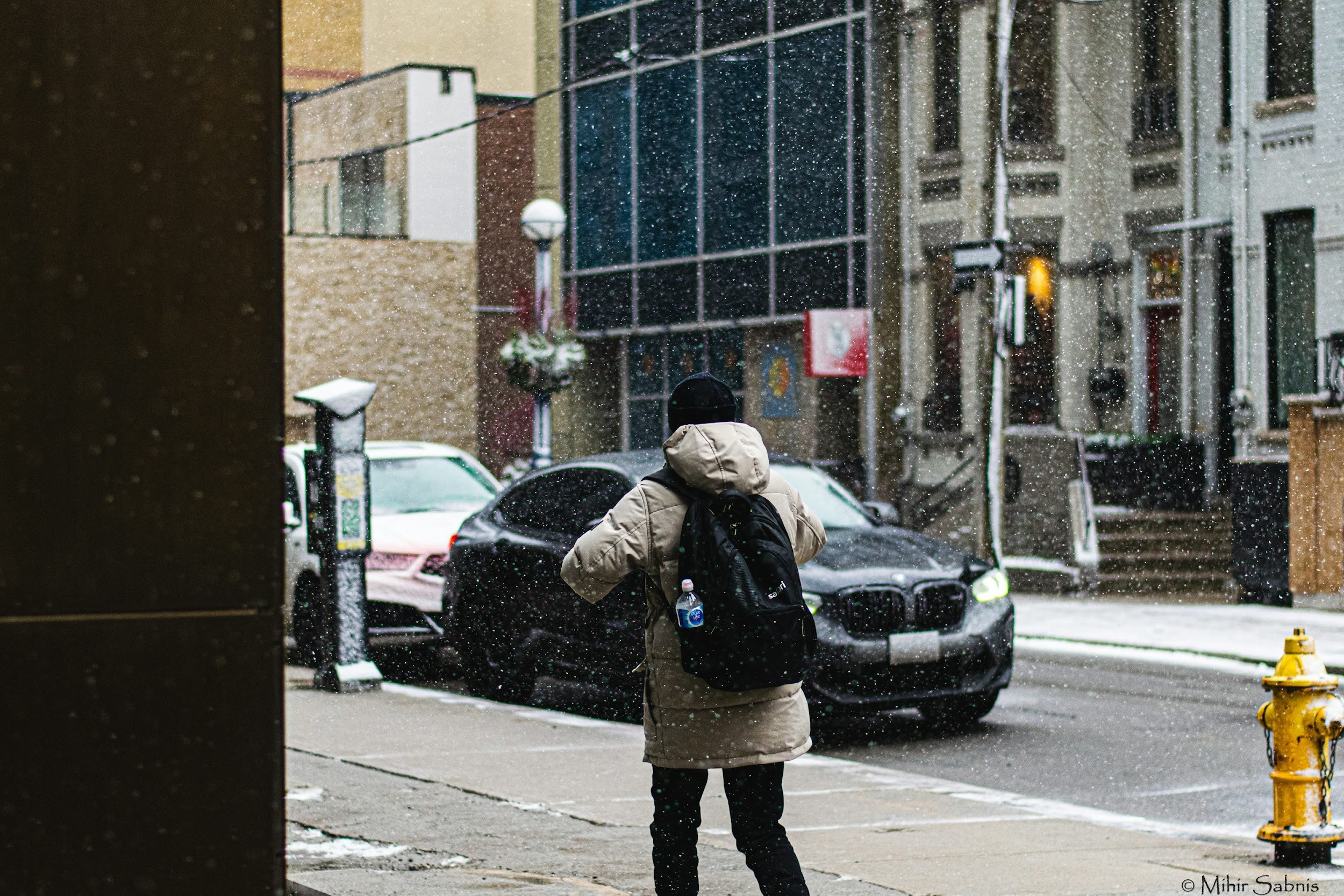
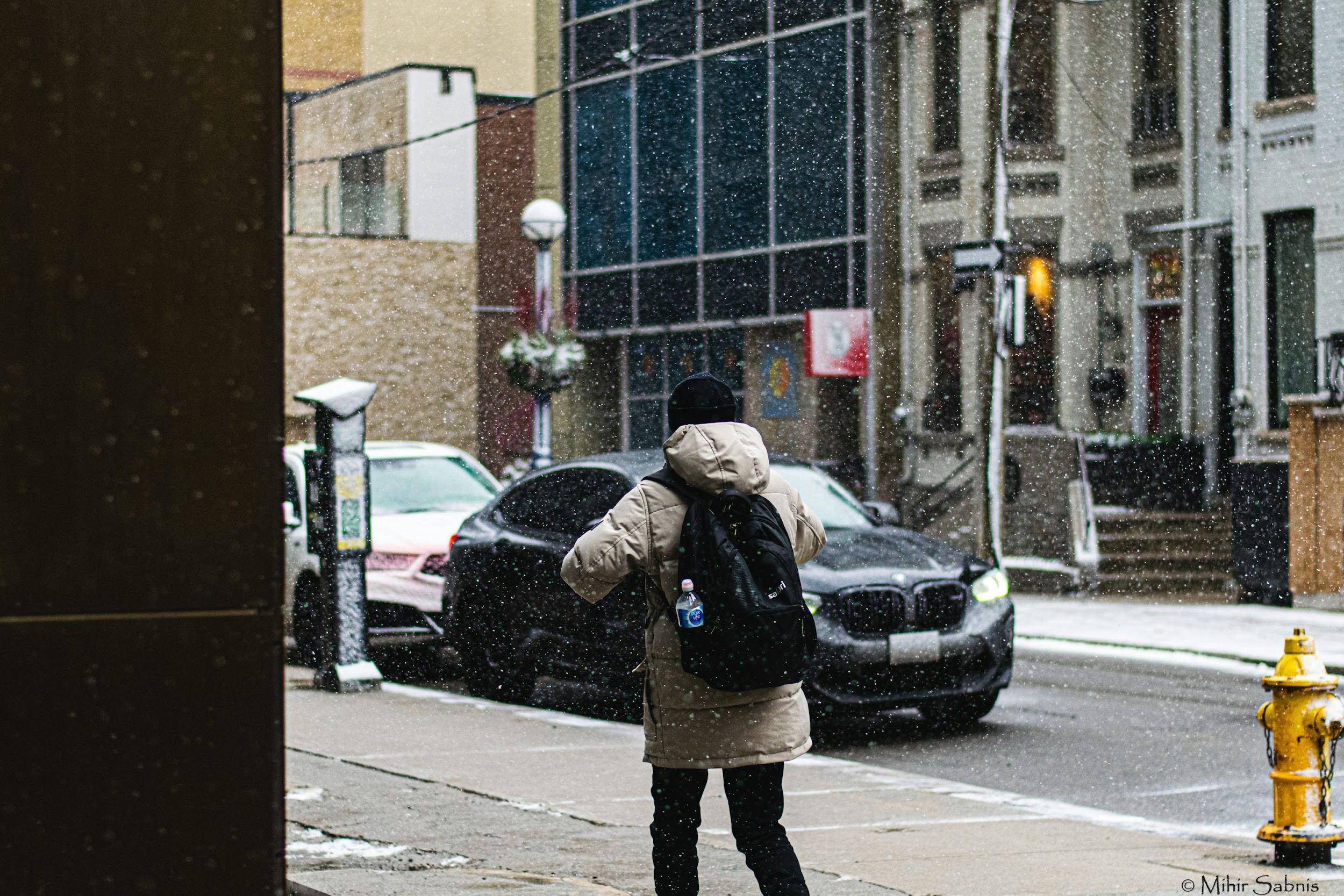
The STM metro and bus network is the backbone of local transit. Add bike lanes and BIXI, and you can often live without a car. In winter, plan for extra time, wear proper boots, and use traction cleats on icy days—small choices that reduce stress year round.
Winter and lifestyle adjustment
Winters can be cold, and the adjustment is real. A few grounded tips:
-
Buy one warm coat and waterproof boots; don’t over-shop.
-
Keep a steady routine: gym, library, or a weekly meetup helps mental health.
-
Use daylight hours when you can; short days can affect mood.
-
If you struggle, use school counselling services—most campuses have resources.
Language Reality — Can You Study in English in Montréal?
Studying in English vs French
You can study in English at major institutions, and you can also study in French at universities like Université de Montréal and UQAM, or choose bilingual pathways depending on program. Montréal is one of the few places in Canada where both streams are part of the city’s normal rhythm.
French for work and daily life
You can navigate daily life in English in many central areas, but French becomes more important for work, renting, and building relationships outside the student bubble. If you’re serious about staying after graduation, start learning early—even basic conversation makes a difference.
Bilingual advantage
Being able to operate in English and French helps employability, social integration, and confidence. It can also make internships easier to land when a team serves both local and international clients.
Top Universities and Colleges in Montréal
If you’re comparing universities in montreal for international students and colleges for international students in montreal, Montréal gives you range:
-
McGill University
-
Concordia University
-
Université de Montréal
-
UQAM
-
Polytechnique Montréal
-
HEC Montréal
-
CEGEPs and private colleges (program-dependent)
How to choose:
-
Language of instruction (English, French, or mixed)
-
Program strength and lab/industry links
-
Campus vibe and commute
-
Co-op/internship structure
-
Budget and scholarship options
Pros and Cons: Is Montréal Among The Best Cities For You?
If you’re asking is montreal good for students and whether it feels like the montreal best city for students experience, here’s the honest trade-off.
Pros
-
Affordability compared with other big Canadian cities
-
Strong education and research ecosystem
-
Deep culture, diversity, and friendliness
-
Easy car-free living with strong transit
-
Great social life and nightlife
Cons
-
French can feel like a barrier at first
-
Winter climate is a real adjustment
-
Housing can be competitive at peak move-in times
Checklist for International Students Moving to Montréal
-
Prepare your study permit and school acceptance documents.
-
Budget for your first three months of rent, deposits, and setup costs.
-
Apply for housing before arrival; have a short-term backup.
-
Start basic French lessons pre-departure.
-
Plan your arrival route from the airport and set up a local SIM and banking account.
-
Keep digital copies of everything so you can obtain services quickly (lease, phone, insurance, campus ID).
Conclusion: Final Assessment on Montréal as a Student City
So, is montreal good for international students? For many learners, yes. Montréal offers a rare mix: respected universities, a high-energy student environment, and a cultural scene that feels alive year round. The caveats are manageable if you plan for winter, start housing early, and invest in French—especially if you’re interested in staying for work after graduation.
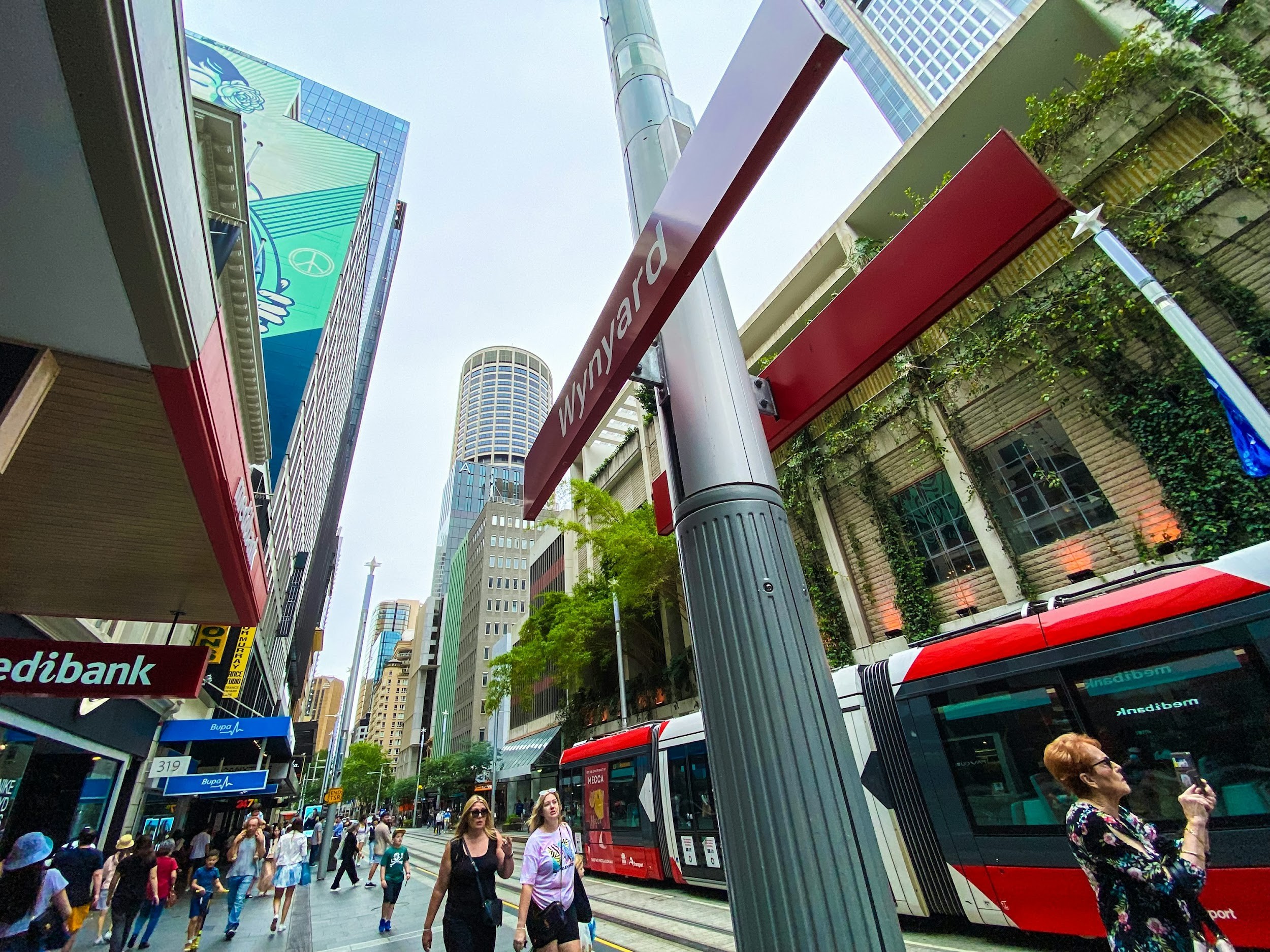
To make your landing smoother, a Montreal aparthotel can be a smart short-term base for the first 1–4 weeks while you view apartments in person, finalize paperwork, and choose the right neighbourhood near your campus. With a kitchen or kitchenette, reliable Wi-Fi, and flexible stays, it’s often easier than committing to a lease immediately—especially during peak move-in periods.
Next steps: shortlist programs, compare budgets, line up temporary housing (a Montreal aparthotel or student residence), and start basic French now. That combination will make your first month smoother and your long-term outcomes stronger.
FAQ
Is Montréal affordable for international students?
Often, yes—especially compared with Toronto and Vancouver. Rent is still your biggest cost, so housing strategy matters as much as tuition.
Is French required to live in Montréal?
Not strictly, especially in central areas, but French helps a lot for jobs, rentals, and long-term life in Québec.
Is Montréal safe for students?
Generally, yes for a large city, with the usual common-sense habits: stay aware at night, keep valuables secured, and learn which blocks feel best. Read more in this article.
How much rent do students pay in Montréal?
It depends on location and whether you share. Students typically pay less when they live with roommates near a metro line rather than alone near the downtown core.
Can international students work while studying in Montréal?
Many do. Work rules depend on your study permit conditions and federal guidance, so confirm your eligibility before you start working.
What are the best neighbourhoods in Montreal for students?
Common choices include Côte-des-Neiges (near major campuses), parts of Plateau-Mont-Royal, Downtown, Mile End, and Verdun—your best fit depends on budget, commute, and lifestyle. If you’re searching for the best neighborhoods in montreal for students, focus first on metro access and rent range, then narrow down vibe and distance.
Add new comment