
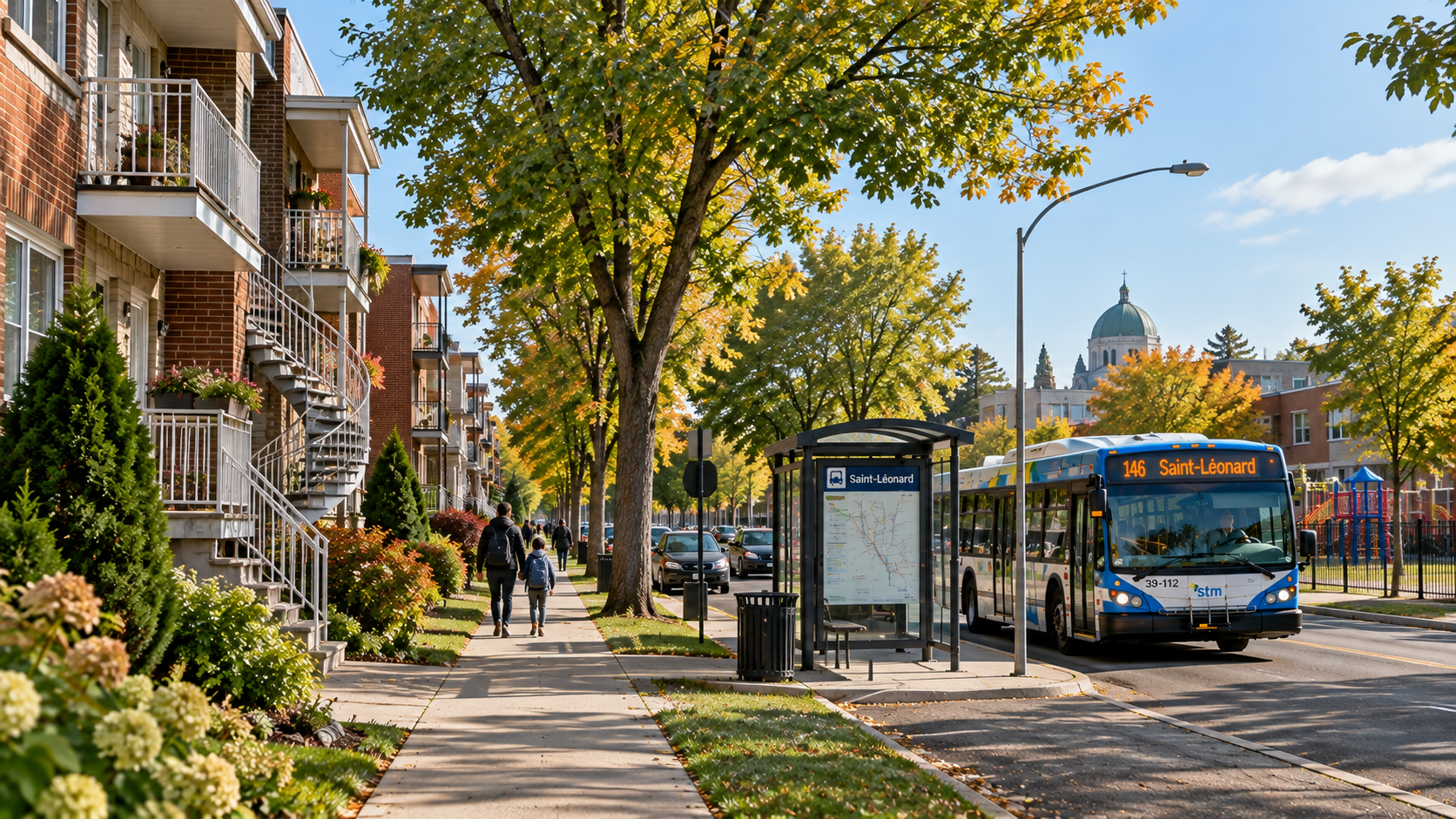
Saint-Léonard is a residential borough in northeastern Montréal with a strong family presence, established apartment buildings, local parks, shopping streets, schools, and a long Italian-Canadian history. For renters, the main appeal is space, everyday services, and a quieter setting than central Montréal, although commuting often depends on buses and the exact address.
Saint-Léonard Neighborhood Overview
Saint-Léonard covers about 13.5 km² and had a population of 79,495 in the 2021 Census. The borough is densely residential, but it does not feel uniform. Some streets are lined with duplexes and low-rise apartment buildings, while others have larger condo and rental complexes.
The area is strongly associated with Montréal’s Italian-Canadian community, but Saint-Léonard is now much more diverse. The borough itself notes that newer residents from many countries have joined long-established French-Canadian and Italian communities.
The overall feel is practical rather than tourist-oriented: schools, parks, bakeries, restaurants, community centres, grocery stores, and neighbourhood services are part of daily life.
Saint-Léonard Demographics
Saint-Léonard has a strong family profile and a large immigrant population, but I would avoid relying on unsupported percentages unless they come from a recent official profile.
The most reliable current figure is the borough population of 79,495, with a density of about 5,893 residents per km².
For renters, the more useful takeaway is that Saint-Léonard is multilingual and family-oriented, with a mix of long-established residents and newer arrivals.
Rent in Saint-Léonard: Prices and Options
Current listings show a wide range rather than one useful average.
RentCafe currently lists 146 rentals in Saint-Léonard, including some newer properties at much higher prices. For example, a studio or one-bedroom in a newer building on Boulevard Viau was listed around $1,940.
At the lower end, current Centris examples include:
-
a renovated two-bedroom basement unit around $1,450;
-
a two-bedroom around $1,450 in a 1979 building;
-
another two-bedroom around $1,495 with washer/dryer hookups;
-
a large two-bedroom around $1,450 with heating included.
That makes a rough current range of about $1,450 to $2,000+ for many one- and two-bedroom options, with newer or larger apartments going higher.
If you are searching for apartments for rent Saint-Léonard QC, compare the actual unit, not just the bedroom count.
A basement 4½ may cost less than a renovated condo, while a newer unit with in-suite laundry, air conditioning, parking, or an elevator can command much more.
Pet-friendly supply also varies. Several current listings explicitly prohibit animals, so renters with pets should confirm the policy before applying.
Housing Types and Neighborhood Character
Much of Saint-Léonard’s housing stock dates from the postwar period, especially the 1960s and 1970s. That is reflected in many current listings built during that period.
Common housing types include:
-
duplexes;
-
triplexes;
-
low-rise apartment buildings;
-
larger rental buildings;
-
condos;
-
basement apartments;
-
detached and semi-detached houses.
Older buildings often offer larger rooms and more practical layouts, while newer properties tend to compete on finishes and amenities.
Saint-Léonard also has a good amount of green space. The borough lists 11 large parks, 9 mini-parks, 2 dog parks, 5 outdoor pools, an aquatic complex, arenas, sports facilities, and community gardens.
Transportation and Commuting in Saint-Léonard
Transportation is one of the main things renters should evaluate before signing.
Saint-Léonard does not currently have a metro station in the middle of the borough, so many residents use STM buses to connect with nearby metro stations or other parts of Montréal.
The exact commute can vary a lot from one street to another.
Public Transit
Do not rely on claims that Saint-Léonard already has three train stations or direct metro coverage throughout the borough.
For most renters, bus access is the main public-transit factor today.
When viewing an apartment, check:
-
nearest bus stop;
-
frequency at rush hour;
-
transfer to metro;
-
weekend service;
-
total downtown travel time.
The future Blue Line extension will improve eastern Montréal transit, but renters should base a current lease decision on the service that exists now, not only on future projects.
Driving and Parking
Saint-Léonard is easier to navigate by car than many central neighbourhoods.
Boulevard Métropolitain and nearby major roads provide access toward other parts of Montréal, which can be useful for commuters working outside downtown.
Parking is usually easier than in dense central areas, but do not assume every unit includes a spot. Ask whether parking is private, outdoor, indoor, or street-based.
Active Transport
Saint-Léonard is relatively flat, which helps with cycling.
Walkability depends on location. Units near Jean-Talon East, Viau, schools, parks, and shopping corridors can make daily errands easier without a car.
A current Centris listing on Rue de Compiègne, for example, has a Walk Score of 87 and is close to schools, parks, shops, public transit, and a bike path.
Services, Shopping, and Dining
Rue Jean-Talon Est is one of the borough’s main commercial corridors. The City says it has more than 240 businesses and services.
You will find:
-
grocery stores;
-
bakeries;
-
cafés;
-
pharmacies;
-
restaurants;
-
clothing stores;
-
professional services;
-
small specialty shops.
Saint-Léonard is especially known for Italian and Mediterranean food, but the dining scene has become more diverse as the population has changed.
The Leonardo da Vinci Centre remains an important cultural and community hub, with cultural programming, theatre, sports, and community activities.

Schools, Childcare, and Family Resources
Families have access to public and private schools, daycare services, playgrounds, pools, arenas, and youth programs.
Parc Pie-XII, for example, has a playground, basketball court, exercise equipment, soccer, tennis, skating, and the Saint-Léonard Cave.
The borough also funds youth and community projects through local organizations, including the Leonardo da Vinci Centre and youth groups.
If schools or daycare matter to your move, confirm eligibility and walking routes before signing. A short distance on a map does not always mean an easy route for children.
Safety, Taxes, and Local Issues
Saint-Léonard generally has a quieter residential feel than downtown, but renters should still evaluate the exact street.
Visit during the day and evening. Check:
-
street lighting;
-
traffic speed;
-
bus-stop location;
-
pedestrian crossings;
-
building entrance;
-
parking visibility;
-
noise from major roads.
Road conditions and construction can change, so check current municipal notices if your route depends on a particular corridor.
Property taxes are the owner’s responsibility, not a separate bill that a residential tenant normally receives directly.
Finding Rentals and Moving Tips
For Saint Leonard apartments for rent, check several sources:
-
Centris;
-
RentCafe;
-
Montreal-Aparthotel;
-
Realtor.ca;
-
Rentals.ca;
-
property-management websites;
-
local Facebook groups;
-
broker listings.
At a viewing, ask:
-
Is heating included?
-
Is electricity included?
-
Is parking included?
-
Are pets allowed?
-
Is laundry in the unit or shared?
-
What appliances stay?
-
Is there storage?
-
What is the lease length?
Landlords may ask for identification, employment information, proof of income, references, and consent for a credit check.
Prepare those documents before you start applying.
Budgeting and Cost of Living in Saint-Léonard
Rent is only part of the monthly cost.
Add:
-
electricity;
-
heating if not included;
-
internet;
-
parking;
-
laundry;
-
tenant insurance;
-
transportation.
One current two-bedroom listing at $1,450 includes heating, while another at $1,495 excludes both heating and electricity. That difference can matter over a Montréal winter.
Compared with central Montréal, Saint-Léonard can still offer more space for the same budget, especially in older buildings.
Local Culture, Events, and Community Life
The borough’s Italian heritage is still visible in food, community organizations, and cultural institutions.
The Saint-Léonard Cave is another unusual local feature. Located in Parc Pie-XII, it formed more than 15,000 years ago in limestone about 450 million years old. New galleries opened to visitors in 2026.
For renters who prefer neighbourhood life over nightlife, Saint-Léonard has plenty of community activity without feeling like a destination district.
Saint-Léonard vs Nearby Areas
Compared with Anjou, Saint-Léonard has a similar family-oriented residential feel, although each area has different transit and shopping patterns.
Compared with Mercier-Est, Saint-Léonard tends to feel more centred around Jean-Talon East, Viau, local parks, and larger apartment buildings.
The best choice usually comes down to the commute, building type, and actual monthly cost rather than the borough name alone.
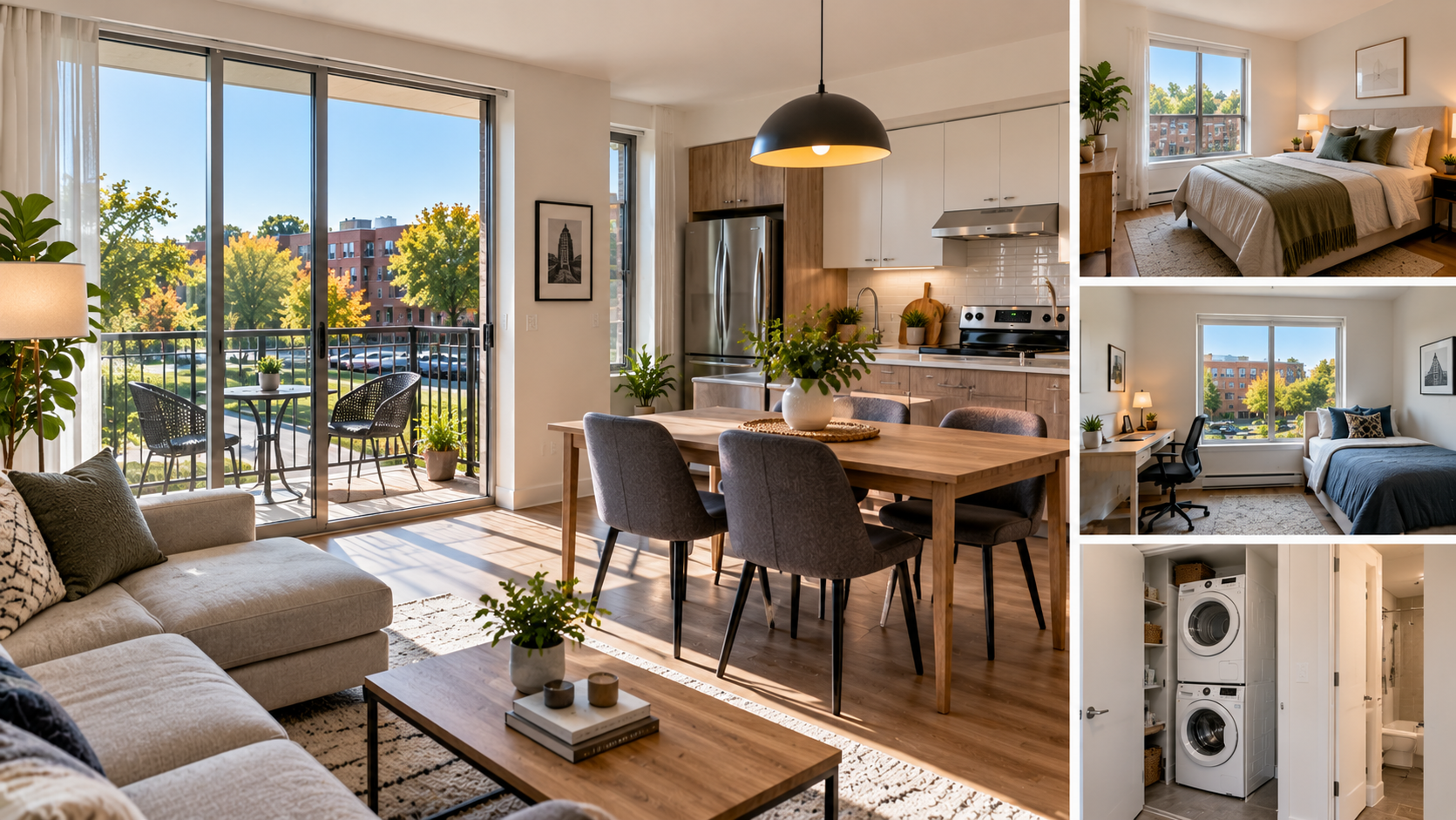
Rent With Montreal-Aparthotel
Montreal-Aparthotel helps renters find furnished apartments for short- and mid-term stays in Montréal.
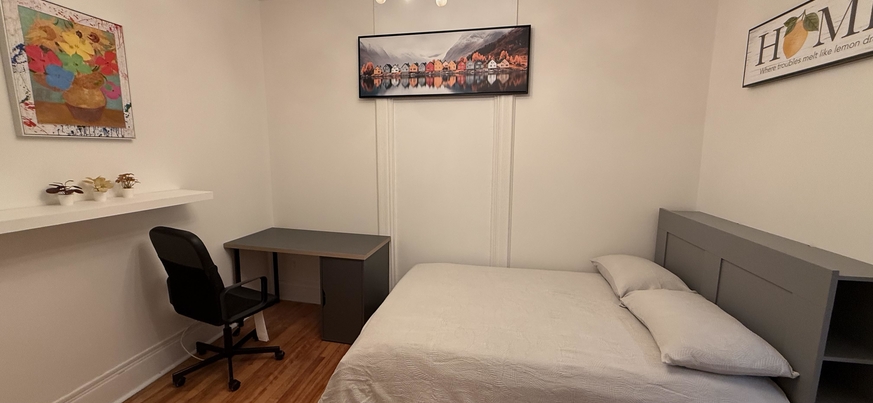
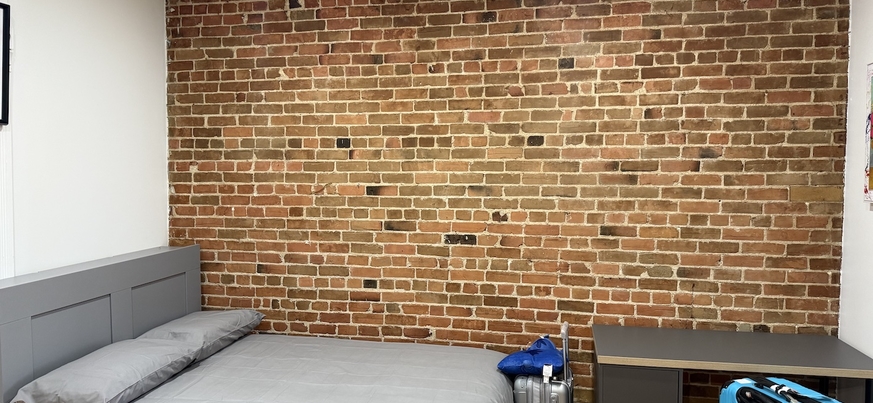
If you are moving to the city and want time to compare Saint-Léonard with nearby areas before signing a longer lease, furnished housing can give you a temporary base without buying furniture immediately.
Browse furnished apartments in Montréal:
https://montreal-aparthotel.com/eng
Conclusion
Living in Saint-Léonard Montreal can work well for families, newcomers, commuters, and renters who want more residential space without leaving the city.
The borough offers older apartments, renovated 4½ units, condos, parks, schools, shopping, and strong community services.
The main thing to check is location.
Two apartments with similar rent can have very different bus connections, utility costs, parking, noise, and access to schools or groceries.
Choose the unit that works for your daily routine, not simply the one with the lowest advertised rent.
Add new comment