

Medium-term rentals (most often 31+ nights) are one of the cleanest ways to keep a furnished Montréal unit occupied without running a full short-stay operation. You get fewer turnovers, fewer “weekend problems,” and a guest profile that usually wants stability: students on a semester timeline, professionals on a project, people relocating, or families between homes.
The difference between a unit that sits empty and one that books smoothly is rarely “luck.” It’s almost always clarity + readiness + trust: clear rules, a livable setup, and a listing that feels legitimate from the first message.
If you want a sense of how furnished stays are presented to real renters, browse the Montréal neighborhood pages here: https://montreal-aparthotel.com/eng.
What Counts as a Medium-Term Rental in Montréal?
In practical Montréal terms, a medium-term rental usually means:
-
31 nights to 6 months (sometimes longer, depending on the guest and the building)
-
Furnished and set up for daily living (kitchen basics, Wi-Fi, linens either included or clearly stated)
-
One monthly price or a clear monthly structure (instead of a nightly tourist model)
The renter isn’t looking for a “vacation.” They’re looking for a place to live with normal routines: work, groceries, laundry, and quiet sleep before early mornings.
Step 1 — Confirm You’re Allowed To Offer Medium-Term Stays
Condo bylaws and building rules
This is the step owners skip—and it’s the one that can ruin everything later.
Before you post a listing, confirm:
-
Minimum stay requirements (some buildings restrict rentals below a set term)
-
Guest policies (registration, limits, whether guests can use shared amenities)
-
Move-in procedures (elevator booking, move-in hours, deposits required by the building—not you—rules about trucks)
-
Noise and smoking rules (and what happens if a guest violates them)
If your building has strict rules, write them into your house rules early. Medium-term guests are usually fine with rules—they just don’t like surprises.
Insurance and liability basics
Furnished mid-term stays can change your risk profile. Before you host anyone:
-
Confirm your owner's policy covers a furnished rental arrangement
-
Make sure you have appropriate liability coverage
-
If you plan to require tenant insurance from guests, be consistent and state it clearly
If your unit includes higher-value items (TV, good furniture, appliances), treat inventory and documentation as part of your protection, not an optional extra.
City/provincial considerations (high-level)
In many cases, 31+ nights is treated differently from tourist stays because the stay looks more like temporary housing than travel accommodation. That said, you still need to operate responsibly:
-
Follow your building rules
-
keep records
-
Stay consistent about agreements and inclusions
Ask a lawyer or accountant when:
-
You’re unsure which agreement format fits your situation
-
You’re dealing with a dispute-prone setup (roommates, sublets, unclear occupant status)
-
You’re not sure how to handle taxes for furnished income or frequent turnovers
Step 2 — Get the Apartment “Move-In Ready” for 31+ Nights
Furnishing checklist for medium-term guests
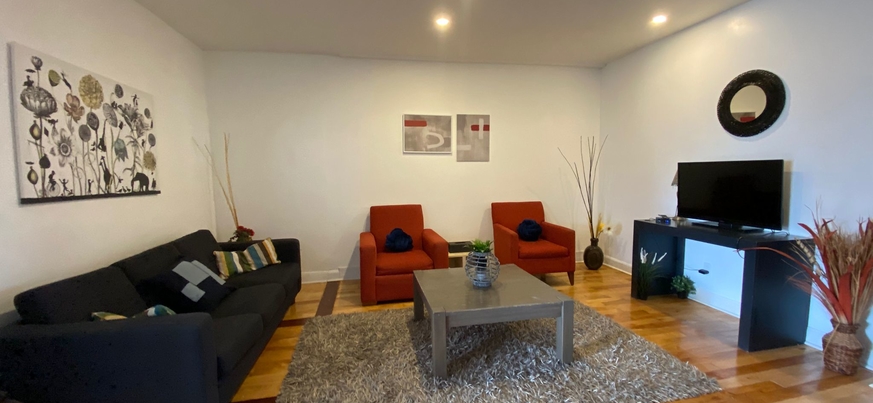
Medium-term guests don’t want fancy. They want comfortable and functional.
-
A proper bed and mattress (not a “temporary” one)
-
Seating that works for real evenings (not one decorative chair)
-
Storage: closet space, hangers, a dresser if closets are tight
-
Lighting that makes sense: bedside lamp, desk lamp, bright kitchen light
-
Blackout options in the bedroom (curtains or blinds that actually block light)
If your unit feels like someone can live there on Day 1 without shopping, you’re ahead of most listings.
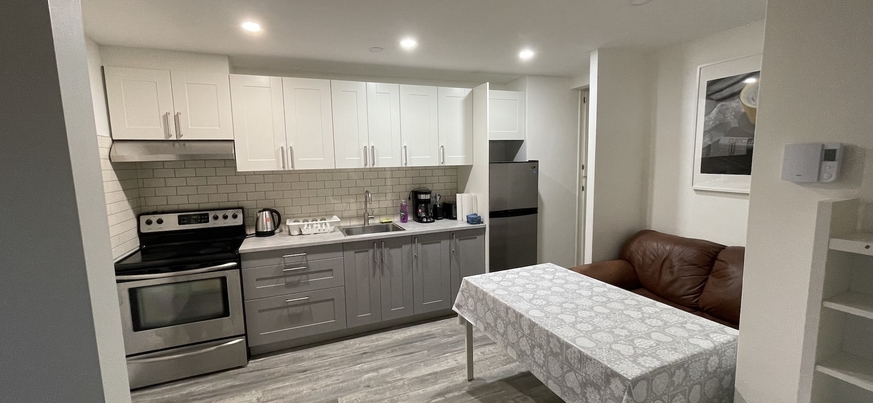
Kitchen that supports real living
This is where many furnished apartments fail. You don’t need everything—you need the right basics:
-
A sharp knife, cutting board, decent pan, pot, and baking sheet
-
Plates, bowls, mugs, glasses, basic utensils
-
Can opener, wine opener, measuring cup (small things guests notice immediately)
Small appliances: only keep what you’ll maintain.
-
Worth it: kettle, toaster, basic coffee setup
-
Optional: blender or rice cooker (only if you’ll replace/clean them properly)
Work-from-home setup (non-negotiable now)
A surprising number of medium-term guests are working while they’re in Montréal.
-
A real desk or table setup (not “the kitchen counter”)
-
A comfortable chair
-
Outlets near the workspace
-
A lamp or good lighting
-
A quieter corner, if possible (guests will ask about noise)
This one feature can be the difference between a “maybe” inquiry and a fast booking.
Wi-Fi + utilities reliability
For medium-term stays, Wi-Fi isn’t a perk. It’s the product.
-
Run a basic speed test
-
Place the router where it actually works (not buried in a cabinet)
-
Leave reset instructions (simple, one page)
Utilities: Be upfront about what’s stable in winter.
-
If heating is included, say so clearly
-
If not, give realistic expectations
And always have a plan for internet failures: who the provider is, how quickly you can get support, and what the guest should do first.
Cleaning and maintenance standard
Medium-term guests stay long enough to notice the details.
Before each stay:
-
Deep clean kitchen grease points, inside appliances, cupboards
-
Bathrooms: grout lines, drains, ventilation, odor control
-
Floors, baseboards, high-touch areas
Refresh between stays:
-
touch up paint where scuffs show
-
Replace worn linens
-
Change HVAC/vent filters if your unit uses them.
A clean unit attracts better tenants. A “just okay” clean attracts complaints.
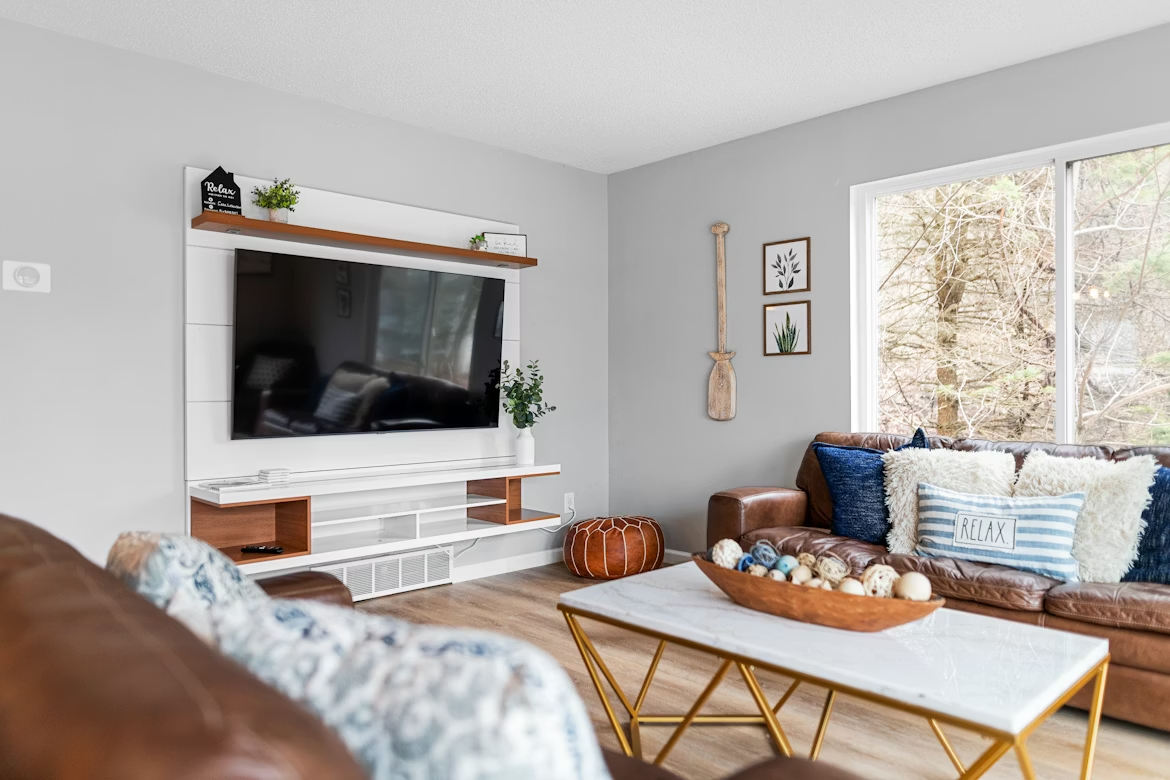
Step 3 — Decide what’s included (and Say It Clearly)
If you want fewer messages and fewer disputes, make inclusions painfully clear:
-
Utilities included vs tenant-paid: heat, hot water, electricity, internet
-
Laundry: in-unit, in-building, or nearby (and whether it’s paid)
-
Parking: availability, cost, and how access works
-
Pet policy/smoking policy/noise expectations: simple and direct
-
Inventory expectations: what stays, what’s not replaceable, and what’s considered normal wear
If you’re furnished, assume guests will treat your unit like a home. Your job is to set expectations early so “normal living” doesn’t become an argument later.
Step 4 — Price It Like a Medium-Term Rental (Without Guesswork)
Build your “monthly floor” first
Start with the number you need to cover the basics every month:
-
condo fees
-
mortgage interest
-
insurance
-
utilities (if included)
-
cleaning and turnover costs
-
a reserve for repairs (because something always breaks)
If your floor doesn’t work, no marketing will fix it.
Market pricing (comp-set the right way)
Don’t price off nightly short-term rates and “hope it averages out.”
Compare to:
-
similar furnished units
-
similar neighbourhood
-
similar term (31+ nights)
The right comp set is boring—and that’s good. It means you’re pricing against reality.
Seasonal Montréal pricing
Montréal moves in cycles.
-
July 1 / late summer: big demand, tighter availability, faster decisions
-
Winter: steady corporate and relocation demand, but guests become pickier about heating, insulation, and comfort
Your listing should call out winter comfort if you have it (good windows, stable heat, quiet unit). People will pay for “easy winter.”
Discounts that actually work
Discounts are a tool, not a default.
-
Offer a 2+ month discount if you want fewer turnovers
-
Offer a 3+ month discount if you want stability and predictable occupancy
-
Don’t discount peak periods just because “everyone does.”
If you’re already priced competitively, discounting can just cut your margin for no reason.
Step 5 — Create a Listing That Converts for Medium-Term Guests
Photos that sell “live here” (not “vacation here”)
Show what medium-term guests care about:
-
the work area
-
storage and closets
-
the kitchen (wide shot + key appliances)
-
natural light
-
laundry access
-
building entry and lobby (where allowed)
-
the bed and bedroom layout
Avoid “artsiness.” Make it easy to trust.
Description template (practical, not fluffy)
Your description should answer the questions guests are about to ask:
-
Who it’s for (students, interns, corporate, relocation)
-
Nearest metro and commute logic
-
What’s included (internet, heat, hot water, electricity)
-
House rules (quiet hours, guests, smoking, pets)
-
Minimum stay and how extensions work
Short sentences, clear terms, no marketing fog.
Trust signals that reduce friction
The faster your listing feels legitimate, the faster good renters commit.
-
Transparent pricing (no surprise “extras” after the fact)
-
Clear cancellation terms
-
A verified contact process
-
A clean, professional tone in messages
Step 6 — Where To List a Medium-Term Rental in Montréal
Big platforms vs niche platforms
Big platforms bring volume, but you’ll spend more time sorting through mismatched inquiries.
Niche platforms usually bring fewer leads, but they’re often better aligned with 31+ night needs.
A good strategy is one “big” channel plus one niche channel—so you’re visible without being buried in admin work.
Listing on Montreal-Aparthotel
If your unit is furnished and you want guests who are actively searching for short- and mid-term stays in Montréal, list where that audience already is.
Owner submission page: https://montreal-aparthotel.com/eng/owners
And for how furnished stays are positioned by neighborhood (useful for your own listing structure), explore: https://montreal-aparthotel.com/eng.
Step 7 — Screening and Booking (Protect Your Unit Without Deposits)
Québec isn’t a “deposit culture,” so your protection comes from screening + documentation + process.
Screening basics:
-
Verify ID (match the person to the booking)
-
Confirm proof of funds/income for the stay
-
Reference checks when relevant (especially longer stays)
Red flags:
-
wire transfer pressure
-
“I can’t view it, but I’ll pay today,” urgency
-
Refusal to do a video tour
-
inconsistent names, unclear employer/school details
-
off-platform payment requests
Written agreement essentials (plain language):
-
stay dates and total price
-
what’s included (internet/utilities)
-
house rules (noise, smoking, pets, guests)
-
maintenance reporting process
-
inventory expectations for furnished units
-
move-in condition record (photos + notes)
Step 8 — Operations: How To Run Medium-Term Stays Smoothly
Check-in / check-out system
Make arrival boring—in a good way.
-
key pickup plan or smart lock
-
building access instructions (buzzer, door codes, elevator rules)
-
move-in booking requirements (if your condo requires it)
Mid-stay cleaning and maintenance
Consider offering optional monthly cleaning for longer stays.
At a minimum:
-
filter checks
-
quick inspections after move-out
-
minor fixes before they become expensive problems
Communication rules
Set expectations early:
-
How fast you respond
-
Who to contact for emergencies, building contacts if relevant
Guests don’t mind rules. They mind silence when something breaks.
Turnover workflow
A consistent workflow saves your calendar:
-
inspection photos
-
laundry and linen reset
-
inventory check
-
restock essentials (toilet paper, soap, basic cleaning items if you provide them)
Common Mistakes Montréal Owners Make (and How To Avoid Them)
-
Ignoring condo bylaws until a complaint lands
-
Unclear inclusions (internet, heat, hot water) that trigger disputes
-
Pricing based on nightly STR logic instead of the monthly reality
-
Weak photos and no work setup
-
Taking payments before verification
-
No inventory record for furnished units
If you fix only one thing, fix clarity. Clarity prevents most problems.
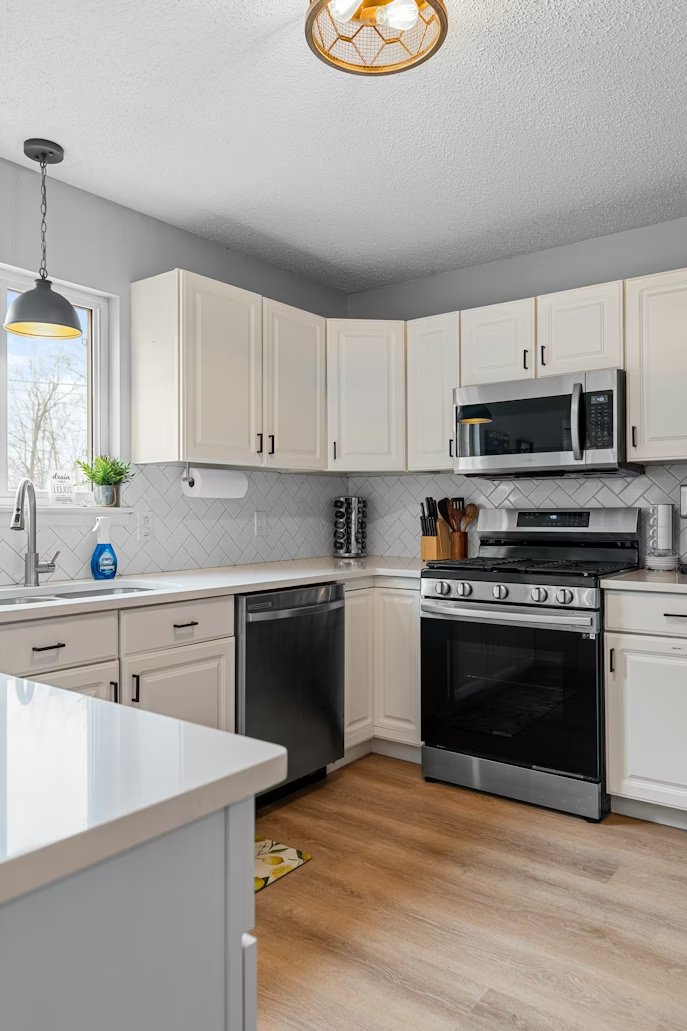
Quick “List-Ready” Checklist (Printable Section)
-
Allowed (bylaws + insurance confirmed)
-
Furnished + work-ready
-
Wi-Fi tested and documented
-
Inclusions written clearly
-
Photos done (work area, storage, kitchen, entry)
-
Pricing set (monthly floor + seasonal logic)
-
Screening process ready
-
Check-in plan ready
Conclusion and Montreal-Aparthotel Owner CTA
If you’ve got a furnished unit that’s ready for 31+ nights, don’t overcomplicate it. Make it livable, price it realistically, and present it like a real home—because that’s what your guests are shopping for.
To submit your apartment for listing, use: https://montreal-aparthotel.com/eng/owners
To explore how stays are shown by neighborhood, see: https://montreal-aparthotel.com/eng.
FAQ
What is considered a medium-term rental in Montréal?
Most owners use 31 nights to a few months. It’s long enough to attract students, interns, corporate stays, and relocation guests who want a real home base.
Is 31+ nights easier than short-term?
Often, yes. Fewer turnovers and fewer “party weekend” risks. But you still need clear rules, good screening, and a professional process.
What do guests expect in a furnished monthly rental?
Reliable Wi-Fi, a functional kitchen, real storage, a comfortable bed, and a simple move-in. If they’re staying a month or more, they expect it to feel like home.
How should I price July–August vs winter?
Summer demand moves fast, especially around July 1 and late summer. Winter guests pay for comfort—stable heat, good windows, and quiet matter more.
Do I need a lease for 31+ nights?
You need a clear written agreement that sets expectations, inclusions, and rules. For longer stays, the clearer the paperwork, the fewer problems later.
How do I avoid scams?
Don’t accept rushed payments, avoid wire transfers, verify ID, and insist on a real viewing (in-person or live video). If someone refuses basic verification, move on.
What neighborhoods perform best for medium-term stays?
Areas with strong metro access and daily convenience typically perform well: Downtown, Old Montréal, Griffintown, Plateau, NDG, and Côte-des-Neiges—because guests can live without a car.
Add new comment