

You've just landed a contract in the city for six weeks, or you're relocating and need somewhere decent while your permanent place gets sorted, or you simply want to spend a proper stretch of time in Montreal without paying hotel rates or locking into a twelve-month lease. You need something furnished, flexible, and in a neighbourhood where you'll actually want to live — not just sleep. That's a reasonable thing to want, and it's worth understanding what the market actually offers before you start scrolling through listings.
But there's another person who reads this question very differently: the property owner in downtown Montreal whose apartment has been sitting empty for three months, or the condo investor who keeps hearing about the monthly rental market but hasn't made the jump. If you're that person — stick around. The demand for quality furnished monthly apartments in this city is real, consistent, and increasingly well-organized. And you're in a better position to capture it than you probably think.
Where to Stay in Montreal: The Neighbourhoods That Actually Work for a Month-Long Stay
Montreal is a city of neighbourhoods. Spend a month in the wrong one and you'll feel it — too far from a metro station, too quiet, or so touristy that it stops feeling like a city and starts feeling like a set. Spend it in the right one and you'll understand why people who move here for a year end up staying for ten.
For a month-long stay in Montreal, a few areas consistently come up as the right fit.
Plateau-Mont-Royal is the neighbourhood most people picture when they think of Montreal — exposed brick walls, spiral staircases, colourful facades, and Mount Royal Park a short walk away. Saint-Laurent Boulevard and Saint-Denis Street are lined with restaurants, cafés, and bars that run the spectrum from cheap and excellent to genuinely exceptional. Time Out named it the coolest neighbourhood in the world in 2025, and for once that kind of ranking isn't completely wrong. For anyone staying a month — especially relocating professionals or expats who want to feel embedded in the city rather than passing through — the Plateau delivers. The Orange Line metro runs along both edges at Mont-Royal and Laurier stations. Most daily needs are within walking distance.
Mile End, technically at the northern edge of the Plateau, has its own character. It's where the city's creative energy concentrates — independent designers, musicians, tech people, and some of the best food in the city. The bagel shops on Saint-Viateur and Fairmount alone justify the neighbourhood. It's slightly calmer than the Plateau's main corridors, which suits longer stays well.
Old Montreal is the charming old town built around cobblestone streets, historic architecture, and the Saint Lawrence River waterfront. It's where first-time visitors spend their weekends. For a monthly stay, it's atmospheric and walkable, with easy access to the Old Port along the Rue Saint-Paul and Pointe-à-Callière. The trade-off is that it skews more tourist than residential — groceries are a bit of a trek and weekends get loud.
Verdun has changed significantly in the past few years. It's a calmer, more residential neighbourhood along the river, with stunning views and a revitalized stretch of restaurants and bars along Promenade Wellington. It's legitimately affordable by Montreal standards, popular with young professionals, and genuinely pleasant to walk around. For longer stays where you want breathing room without sacrificing access to the city, Verdun is worth considering.
Downtown Montreal — Ville-Marie and Sainte-Catherine Street — makes sense if your reason for being in the city is work. You're near everything, transport is effortless, and the Quartier des Spectacles and Bell Centre are practically on your doorstep. Less neighbourhood feel, more urban utility.
Why a Furnished Monthly Apartment Beats Hotels and Long-Term Leases
The math on hotels is straightforward and unflattering. A decent hotel in downtown Montreal runs $150–$250 per night. Over 30 days that's $4,500–$7,500, without a kitchen, without space, and without any feeling of actually living in the city. You're in a room, not a place.
A traditional long-term lease requires a twelve-month commitment with a Quebec lease, a damage deposit, and the full logistical burden of furnishing and setting up a home for what might be a short assignment. The flexibility simply isn't there.
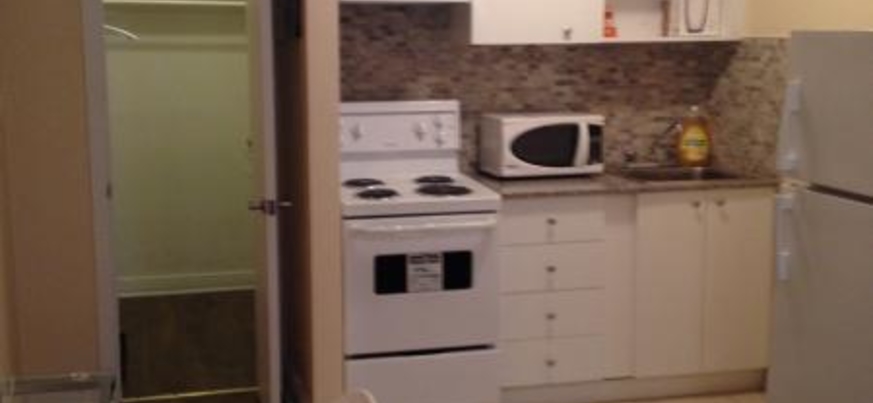
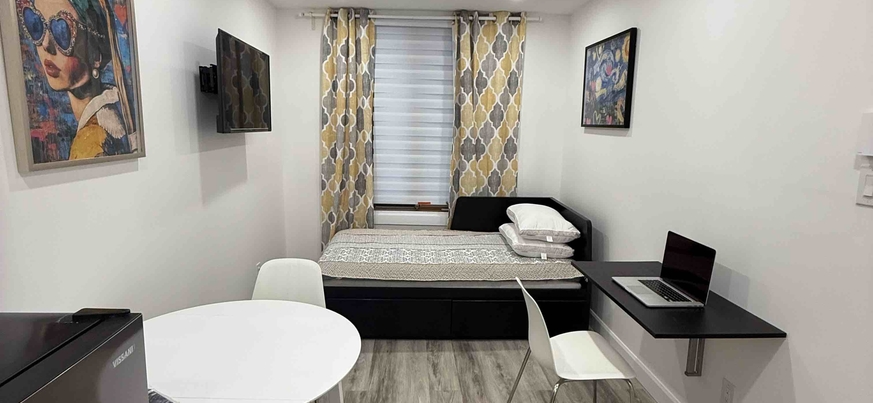
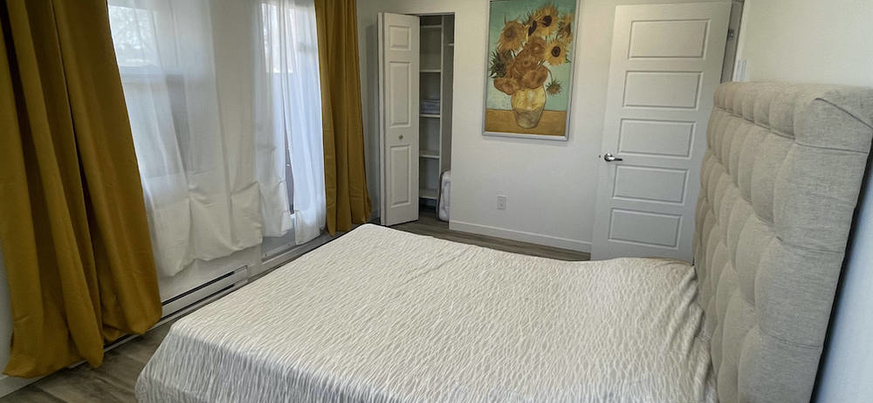
A fully furnished unit on a monthly rental basis — with a 31-day minimum rather than a twelve-month lock-in — sits neatly between both. You get a real apartment: a kitchen, a living space, a bed you'd actually want to sleep in, WiFi, and usually utilities included. You pay a single monthly amount, know exactly what it covers, and can extend as needed. For corporate clients, expats, and anyone in the middle of a life transition, this is the structure that actually fits how they're living.
According to CMHC's 2025 Rental Market Report, Montreal's average rents grew 7.2% in 2025 — but demand for quality furnished units from professional tenants has stayed strong, particularly in the medium-term segment where turnover is low and tenants are vetted rather than random.

What Owners Earn — and Why This Market Is Worth Taking Seriously
If you're a property owner reading this, here's the part that matters.
The monthly rental segment in Montreal isn't niche anymore. The tenants searching for where to stay in Montreal for a month are a specific and reliable type: corporate employees on assignment, international students between semesters, people displaced by renovations or insurance claims, expats joining local teams, professionals in relocation. They're not looking for the cheapest thing available — they're looking for something decent, well-located, and managed properly. And they'll stay for two, three, sometimes six months.
What does that translate to in passive income from a rental apartment in Montreal?
A well-furnished studio near the metro in a desirable neighbourhood: $1,400–$1,700 per month, all-inclusive. A 3½ (one bedroom) in Plateau-Mont-Royal, Mile End, or comparable: $1,700–$2,200 per month. A 4½ (two bedrooms) in downtown Montreal or the Plateau: $2,200–$2,800 per month.
Compare that to a traditional unfurnished long-term lease in the same locations — typically $1,100–$1,600 per month with TAL-governed increases — and the premium for furnished, flexible-lease management is substantial. Compare it to Airbnb, and the operational difference is even clearer: monthly rental means no weekly turnovers, no platform commissions at 14–20%, no regulatory headaches around short-term permits in multi-unit buildings, and no volatile occupancy that empties out in January.
The owners who've moved to medium-term furnished rental aren't doing anything complicated. They furnished the apartment properly, found a reliable management partner, and now receive a monthly deposit with minimal involvement. That's as close to true rental income in Montreal without active management as you'll find.
What a Property Manager Actually Does — and What You Still Control
The phrase apartment management gets used loosely. Let's be specific.
A legitimate rental management company in the medium-term stay segment handles: professional photography and listing, responding to tenant inquiries, tenant screening (references, employment verification, not just a credit score), lease preparation, key handover and check-in, all ongoing tenant communication, maintenance coordination, monthly invoicing, and move-out inspection. The landlord receives a monthly payment and is consulted on anything that exceeds a predefined maintenance threshold — typically a plumbing or appliance issue over a certain dollar amount.
What you do as the owner: essentially nothing in the day-to-day. Some owners stay loosely available for major decisions. Most don't need to.
The fee structures vary. Most furnished apartment management companies charge 15–25% of monthly revenue, with that percentage covering active tenant placement and full operational management. Some charge placement fees separately on top of a lower ongoing rate. The key question to ask any prospective manager: what happens if the apartment sits vacant? A company with skin in the game will absorb the cost of vacancy through reduced fees or absorb the marketing effort themselves. One that charges regardless of occupancy has different incentives.
Red flags: vague contracts, no independent inspection before listing, no direct phone line to a real person, no track record specifically in the monthly rental or medium-term stay segment. This niche operates differently from short-term Airbnb management or traditional long-term leasing — the tenant profile, the lease structure, and the operational pace are all distinct.
Green flags: a portfolio that includes units the company owns themselves (they understand owner concerns because they have the same ones), clear fee breakdown with no hidden costs, a tenant base of verified tenants rather than walk-ins, and response times measured in hours rather than days.
For owners looking for a reliable entry point into the furnished rental market in Montreal, Montreal Aparthotel is worth a direct conversation. They've been managing monthly furnished apartments for over 10 years, work directly with property owners, and operate a portfolio that includes units they own themselves — meaning they understand what you're weighing. Their tenant base is predominantly relocating professionals, expats, and corporate clients who stay for months at a time, with 7-day-a-week support and personal inspection of every unit before it goes live. montreal-aparthotel.com/proprietaires
How to Get Started as an Owner
The first move isn't signing a management contract. It's getting a realistic read on what your specific apartment can earn — by location, size, current condition, and furnishing level.
A good assessment answers: What would it rent for furnished, as-is? What would it fetch with a reasonable investment in furniture and setup? What's a realistic occupancy rate over twelve months, not a best-case projection?
That conversation costs nothing and tells you whether the numbers make sense for your situation. If they do, the path from "apartment sitting empty" to "generating stable monthly cash flow" is shorter than most owners expect.
If you're ready to find out what your unit is worth in the Montreal furnished rental market: montreal-aparthotel.com/proprietaires +1 438-838-8833 · info@montreal-aparthotel.com
Meta description: Wondering where to stay in Montreal for a month? Discover the best neighbourhoods — and how owners earn passive income rental income in Montreal from furnished monthly apartments.
Add new comment