

Living in a Montreal apartment often means limited space, shared walls, and building policies that vary from address to address. That doesn’t stop many renters from wanting a new friend at home, but not every animal is well-suited for smaller living spaces. Some pets thrive in compact layouts; others need more room, more stimulation, or stricter care routines.
This guide breaks down what is the best pet for apartments, what pets are good for small spaces, and how both renters and owners can maintain peaceful, responsible apartment living.
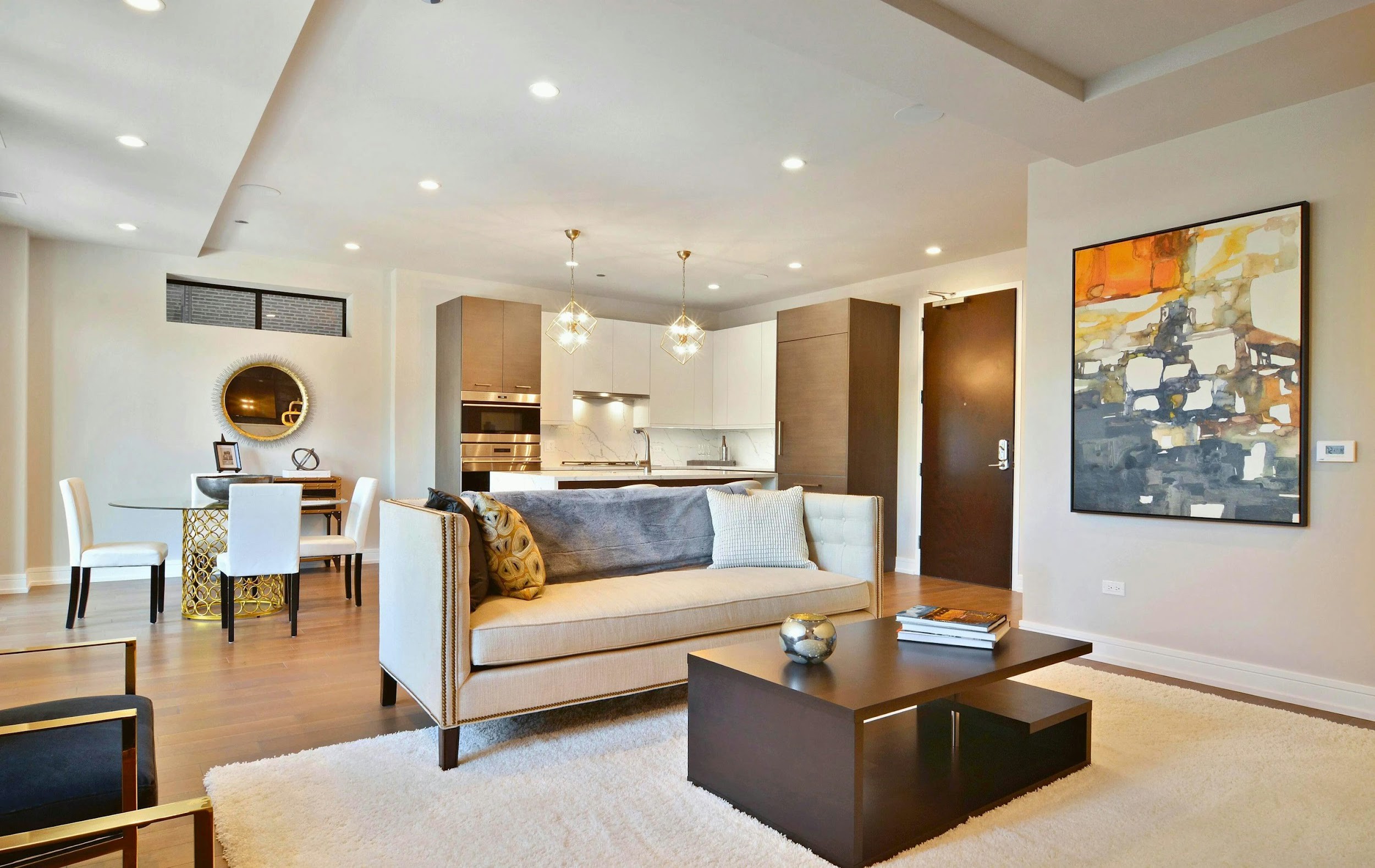
What Makes a Pet “Apartment-Friendly”?
Apartment pets must fit both the space and the lifestyle. They should be:
-
Quiet: to avoid noise complaints through thin walls.
-
Low maintenance: because apartment dwellers often have busy schedules.
-
Comfortable indoors: especially in buildings without outdoor space.
-
Safe for furnished rentals: minimal damage risks, easy cleaning.
-
Allowed under building policies: since the pets allowed vary by lease.
Apartment settings reward animals that can live comfortably in smaller living spaces, stay calm in close quarters, and adapt to structured routines.
The Best Pets for Apartment Living
Below are top pets for apartments, ranked by practicality, ease of care, and compatibility with Montreal apartment life.
1. Cats — The Most Apartment-Compatible Pets
Cats remain the classic answer to what are the best indoor pets. They fit naturally into small apartment life:
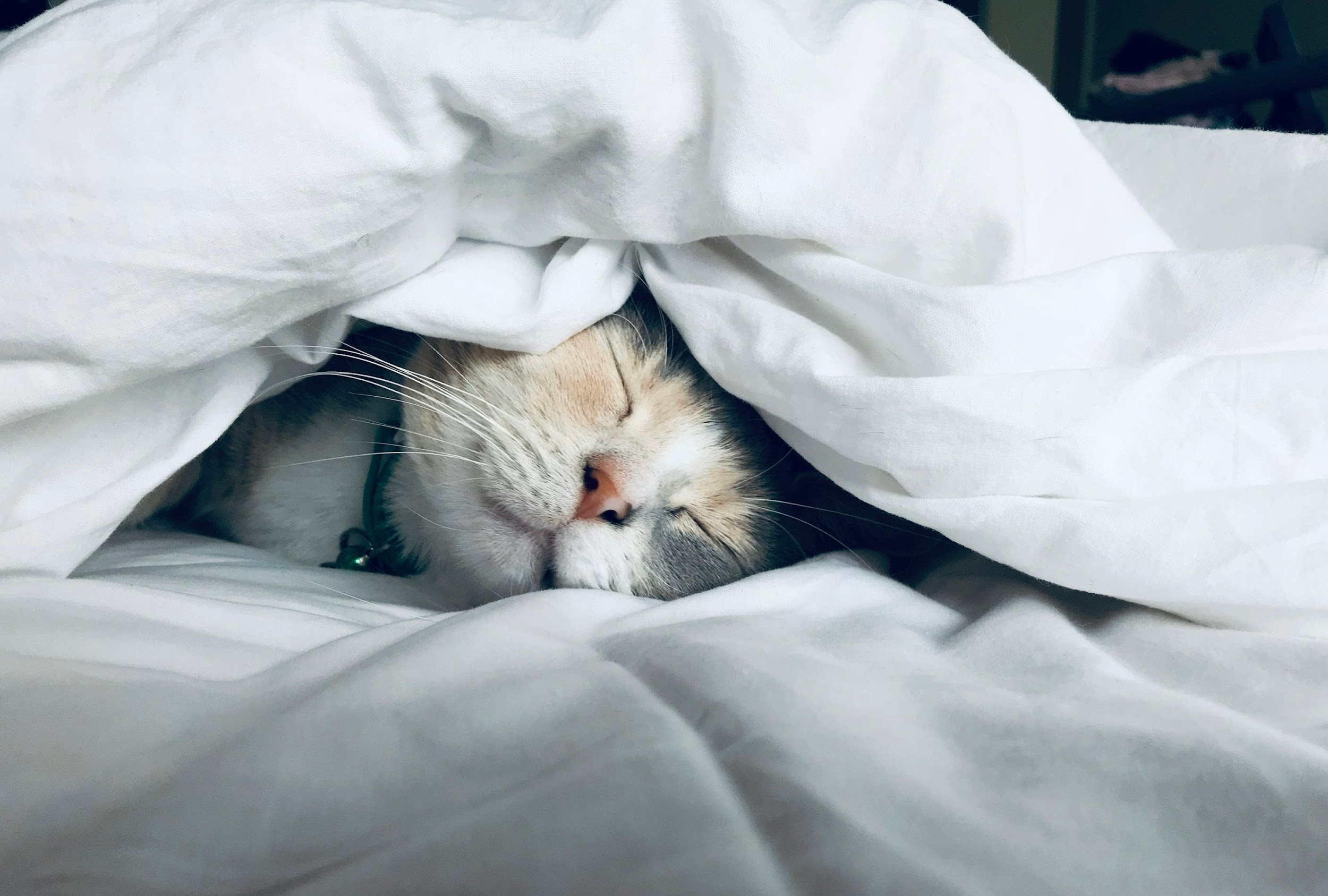
Why cats do well in small spaces
-
They adapt to limited space and vertical areas.
-
They do not require outdoor walks.
-
They are naturally litter-trained and relatively low-noise.
But they’re not completely maintenance-free
Even the most low-maintenance pets come with responsibilities:
-
Scratching furniture
-
Litter box odors
-
Shedding on upholstered items
Tips for renters
-
Provide scratching posts and chew toys to protect furniture.
-
Place the litter box in a quiet corner with ventilation.
-
Use a steady cleaning routine to avoid odors.
Tips for landlords
-
Add clear pet rules to the lease.
-
Offer protective covers on furnished units.
-
Inspect high-risk areas (couch arms, corners, curtains) during renewals.
Breeds like Scottish Fold or other calm cats are excellent pets for flats and smaller spaces.
2. Small Dog Breeds (Quiet, Low-Energy)
Not all dogs fit apartment life, but some small dog breeds truly thrive indoors:
-
French Bulldogs
-
Shih Tzu
-
Cavalier King Charles Spaniel
-
Bichon Frisé
-
Boston Terrier
These dogs have a friendly nature, moderate exercise needs, and a temperament suited to apartment living.

Pros
-
Companionship and emotional support
-
Playful nature during indoor play
-
Good with structured daily routine
Cons
-
Barking if left alone too long
-
Allergy concerns for neighbors
-
Many apartment complexes limit dog breeds or weight (often 10–15 kg)
Advice for property owners
-
Allow only small, quiet breeds.
-
Require renter’s insurance.
-
Check references from previous rentals with pets.
Montreal buildings vary widely, so renters must confirm what pets are allowed before applying.
3. Fish — Ideal for Silence and Minimal Space
Fish are among the most low maintenance pets for apartment life. Watching fish swim has a calming effect and suits limited space layouts.
Why fish work well
-
No noise
-
No fur
-
No damage potential
-
Fit easily on a stand or end table
Things renters must consider
-
Tanks over five gallons may require landlord approval
-
Avoid placing aquariums near heat sources
-
Ensure outlets can support filtration and lighting
Species like betta fish are popular in smaller apartments.
4. Small Birds (Finches, Canaries)
Small birds are cheerful, colorful, and adaptable to smaller living spaces.
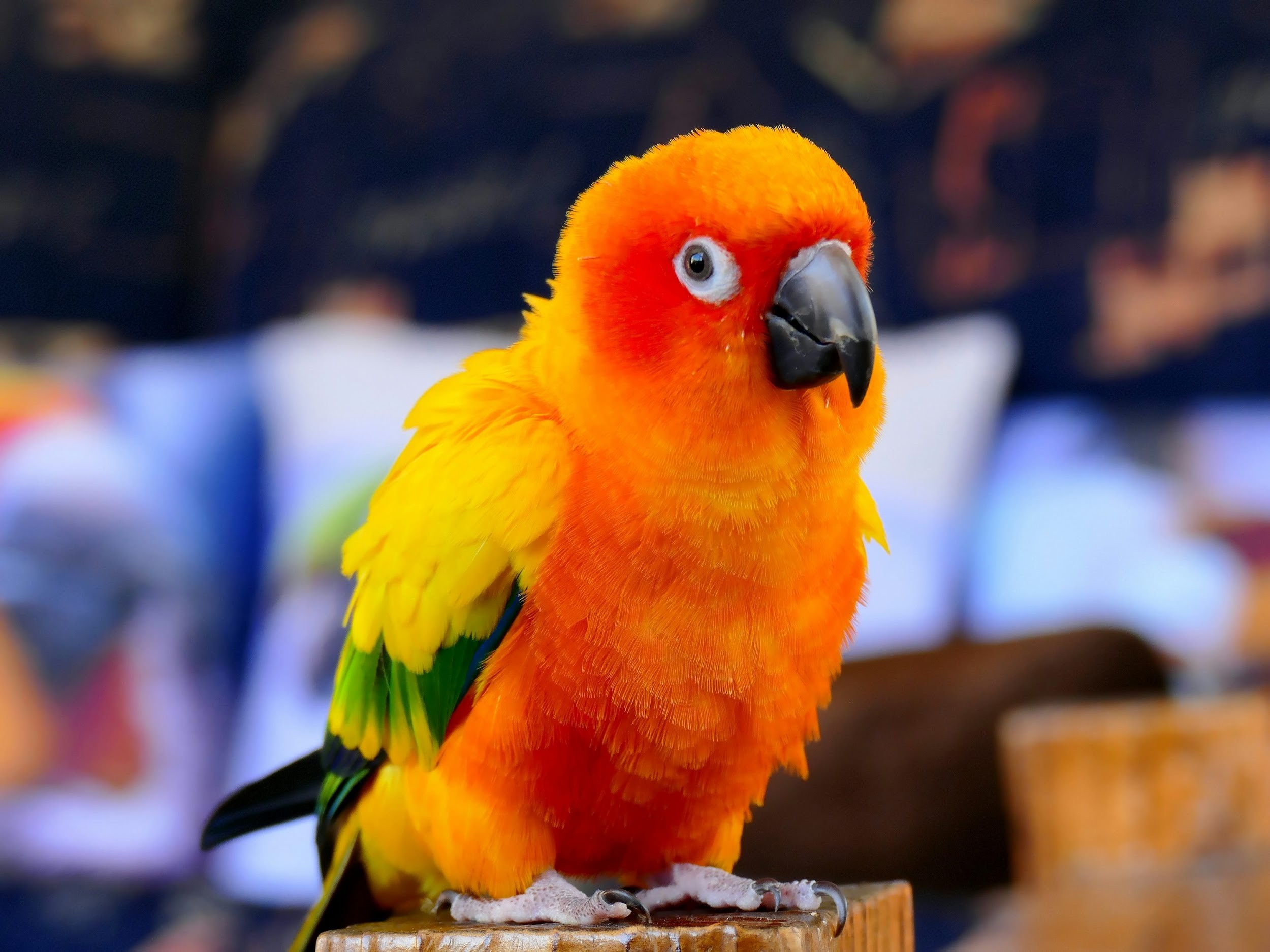
Best choices
-
Finches
-
Canaries
These birds need little more than a clean cage, toys, and consistent interaction. Their chirping stays gentle enough for apartment life.
Important distinction
-
Small birds = good pets for flats
-
Larger birds (parrots, macaws) = not ideal
-
They are loud
-
They demand mental stimulation
-
They can disturb neighbors
Landlords usually avoid approving larger birds because of noise.
5. Small Mammals (Hamsters, Guinea Pigs, Rabbits)
These small pets offer predictable care and relatively low maintenance:
Pros
-
Quiet
-
Contained in cages
-
Simple routines
-
Social animals (especially guinea pigs)
Cons
-
Cages can smell without proper cleaning
-
Rabbits need enough space to hop and explore
-
Some chew on cords unless supervised

Landlord perspective
Small cage-kept animals carry very low damage risk, making them easier to approve than dogs.
6. Reptiles (Geckos, Turtles, Certain Snake Species)
Reptiles are among the most low maintenance pets for apartments.
Why landlords like them
-
No noise
-
No smell
-
No shedding
-
Little chance of damage
Renter advantages
-
Relatively low maintenance
-
Very little daily mess
-
Perfect for smaller living spaces
Species like geckos, small turtles, and beginner-friendly snake species can live comfortably with a proper water filtration system or temperature-controlled enclosure.
What Pets Do NOT Work Well in Apartments
Certain animals are poor matches for apartment life:
-
High-energy large dogs
-
Noisy parrots
-
Ferrets in very small spaces (high activity, escape risks)
-
Animals with strong odors (certain rodents, exotic pets)
-
Species restricted by Quebec’s rules on exotic pets
Landlords in Quebec can restrict pets in the lease, even though there is no provincial law forcing them to allow animals.
Pet Policies in Montreal: What Renters and Landlords Must Know
-
Quebec law does not guarantee tenants the right to have pets.
-
Whether pets are allowed depends entirely on the lease terms.
-
Damage deposits for pets are not legal in Quebec, so landlords often charge slightly higher rent instead.
-
Buildings may restrict the number, size, or types of pets.
Both renters and owners must read the written agreement carefully.
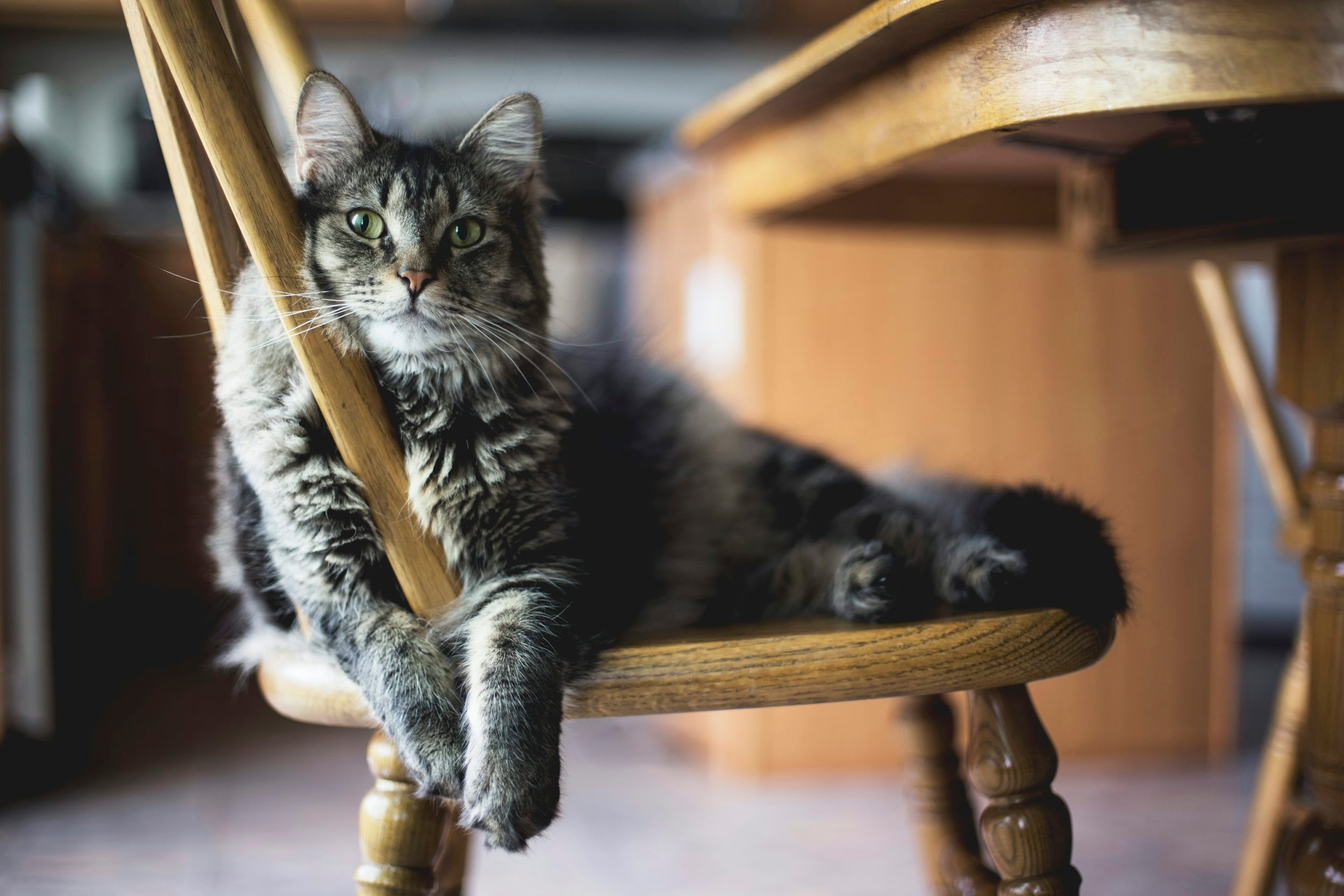
Tips for Renters Living With Pets in Apartments
Keep Noise Under Control
-
Prevent barking through exercise and routine
-
Avoid placing cages next to shared walls
-
Use mental stimulation for pets that get anxious
Maintain Cleanliness in Small Spaces
-
Choose litter box locations with airflow
-
Follow a cage-cleaning schedule
-
Use odor-control materials for small animals
Respect Neighbors and Shared Spaces
-
Keep pets leashed in hallways
-
Clean up accidents immediately
-
Be mindful of elevator etiquette
A pet friendly apartment works only when everyone in the building feels comfortable.
Tips for Landlords and Property Owners Managing Pet-Friendly Rentals
Allowing pets can be beneficial:
Benefits
-
Higher demand
-
Longer leases
-
More stable tenants (pet owners rarely move)
Risks
-
Odors
-
Scratches
-
Noise complaints
Solutions
-
Add clear rules to the lease
-
Limit the number of pets
-
Require references from previous rentals
-
Schedule periodic inspections
-
Charge slightly higher rent (legal workaround in Quebec)
Responsible rules protect both the property and the rental relationship.

Final Thoughts
Apartments in Montreal are perfect for pets who are easy to care for, can stay indoors, and are quiet in small settings. With the right environment and routine, guinea pigs, cats, small dogs, fish, little birds, reptiles, hamsters, and rabbits can all make wonderful companions.
Landlords and tenants alike benefit from having a set of written rules, a list of expectations, and a system for taking care of the property.
This article is a good place to start if you want to find a pet-friendly apartment or want to know what kind of pets will work best in your space.
FAQ — Pet-Friendly Living in Montreal Apartments
Q1: What is the best pet for apartments?
Flat dwellers should choose cats, little dogs, fish, and tiny mammals as pets due to their acclimatization to small spaces indoors.
Q2: Are pets allowed in Montreal apartments?
It depends on the landlord. Quebec law allows landlords to prohibit pets in the lease.
Q3: What are the easiest pets for furnished rentals?
Fish, geckos, hamsters, and small birds — they cause the least damage.
Q4: Can landlords ban pets in Quebec?
Yes. Unless the lease explicitly allows pets, landlords may restrict them.
Q5: Do renters need pet insurance?
It isn’t required, but it’s wise for furnished apartments or high-value furniture.
Q6: Which small pets are completely safe for apartments?
Fish, turtles, geckos, guinea pigs, and hamsters — quiet, clean, and low risk.
Add new comment