

Getting a rental property ready in Montréal is not just about fresh paint and new photos. The market moves in waves, the rules are Québec-specific, and a small oversight can derail the rental process right when you need to secure the right rental tenant.
Montréal’s biggest pressure point is the July 1 turnover. Many leases end around the same time, so demand spikes, cleaners and contractors get booked out, and renters start their apartment search earlier than you’d expect. Student demand adds a second peak around late summer, especially near campuses and public transit lines. If you treat preparation as a step-by-step guide—inspection, cleaning, repairs, paperwork, then move-in—you protect your unit, your time, and your cash flow.
This checklist covers preparing your apartment for tenants in Montreal, including the timeline, unit readiness, tenant screening, fraud prevention, and the documentation you need for a smooth handover.

Before You Start — Plan the Turnover Timeline
Ideal turnover windows (7 days / 48 hours / same-day)
7 days (best-case turnover):
You can do a full reset: deep clean, repairs, painting touch-ups, a professional carpet clean, appliance testing, lock changes, and complete documentation. This window also lets you schedule a plumber or electrician if your inspection finds issues.
48 hours (realistic during peak season):
Focus on what drives complaints and disputes: make the unit clean, ensure everything works, fix visible damage, test smoke alarms, check locks and windows, and take thorough photos. If you manage a furnished unit, confirm Wi-Fi and internet services are working.
Same-day (emergency turnover):
Only attempt this if the unit is already in good shape. Prioritize safety devices, quick cleaning of kitchen/bathroom, surface disinfecting, fresh linens (if furnished), and a simple move-in checklist with photos. Anything that can’t be finished should be scheduled immediately and documented in writing with the tenant.
Peak season considerations (July 1 + student season)
July 1 forces scheduling discipline. Book cleaners, handypeople, and a locksmith early. If your unit is near universities, expect last-minute demand from first time renters, new students, and people moving to a new city who want a quick move-in. The more “move-in ready” you are, the faster you can convert a rental listing into a signed lease agreement.
Prepare the Unit Physically
Before you post a rental listing, the apartment should be “fit for habitation”: safe, clean, and functional—free from serious hazards like mold or vermin. Neglecting basics like broken locks or moisture problems can create issues with municipal housing standards and tenant complaints.
-
Complete a safety inspection for smoke detectors, CO alarms (recommended where relevant), and general electrical safety.
-
Repair visible damage and touch up paint so the unit meets standard “move-in condition” expectations.
-
Service heating systems and document how heat/hot water are delivered, especially for winter months.
-
Verify plumbing, electrical, and heating systems are working properly before the tenant moves in.
Deep Cleaning Checklist (Non-Negotiables)
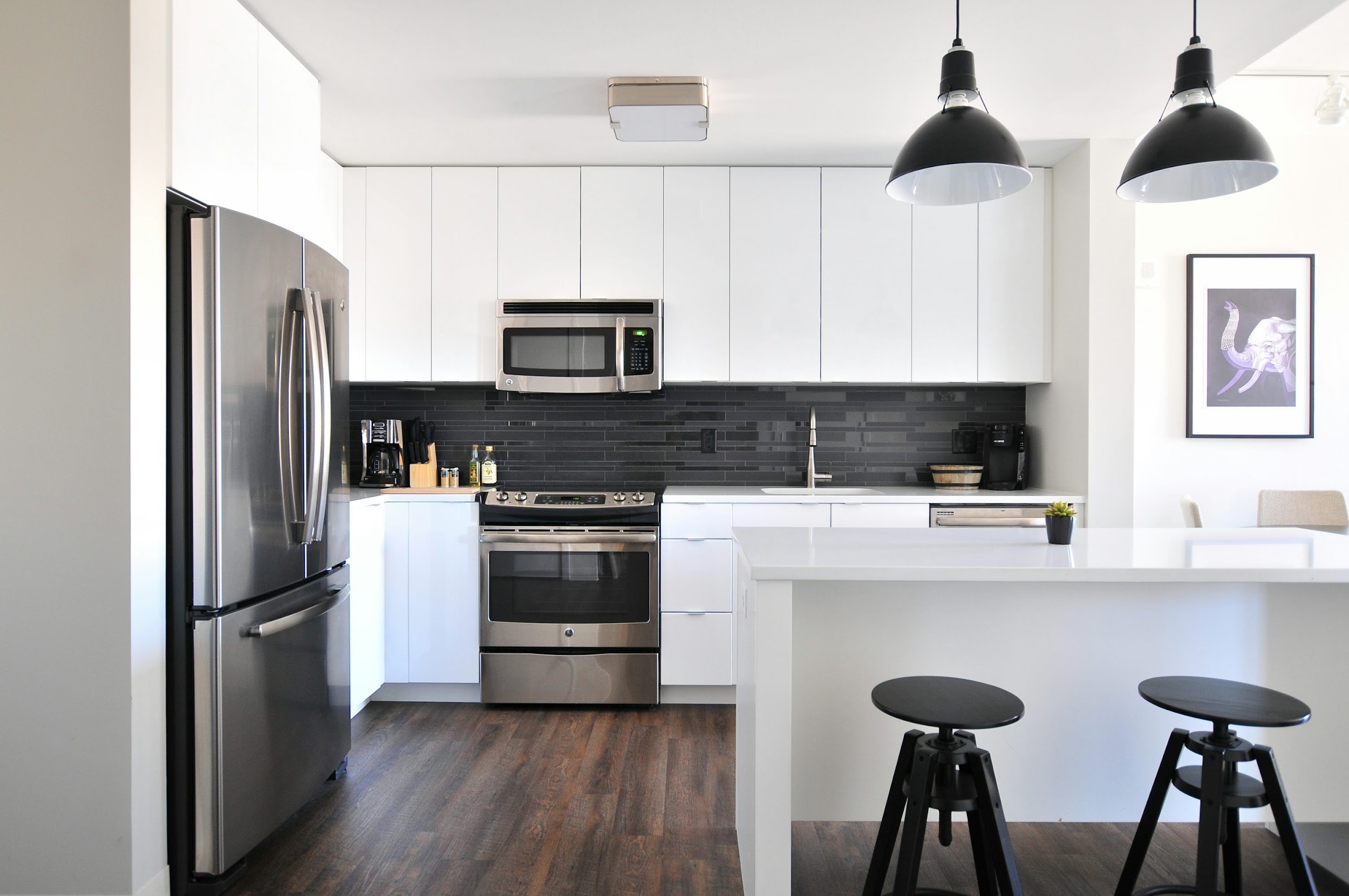
Kitchen deep clean
A kitchen that looks clean but smells “lived-in” will lose you good applicants. Make it obvious that the unit is fresh.
-
Clean inside the stove/oven, fridge, and dishwasher; remove grease at hood vents and backsplash areas
-
Wipe inside cupboards and drawers
-
Sanitize counters, handles, faucets, and sink drain areas
-
Confirm any included utilities or kitchen appliances listed in your ad are actually present and functional
Bathroom reset
Bathrooms generate the fastest move-in complaints.
-
Scrub grout and seal obvious gaps
-
Clean drains and check ventilation fans
-
Watch for early mould signs around tubs, windows, and ceilings
-
Confirm hot water is stable, not intermittent
Floors, walls, and high-touch surfaces
-
Remove scuffs, patch holes, touch up paint
-
Disinfect switches, handles, railings
-
Professionally clean carpets and polish wood/tile floors where needed
-
Neutral odour control (no heavy fragrance)
“Hidden dirt” zones
This is where tenants notice you cut corners.
-
Behind stove and fridge
-
Baseboards and corners
-
Window tracks and screens
-
Vents and fan covers
Repairs and Functional Checks (Avoid Day-One Complaints)
Plumbing
-
Check under-sink traps and shut-off valves
-
Test water pressure and drain speed
-
Confirm toilets fill properly and don’t run
-
Fix leaks before showings; don’t “wait and see”
Electrical
-
Test outlets and switches in every room
-
Ensure fixtures work and replace bulbs
-
Label breakers if possible (helpful for tenants)
-
Any obvious hazards should be addressed by a qualified professional
Doors and windows
-
Confirm locks work smoothly (front door, balcony doors, windows where applicable)
-
Replace worn weather stripping; check drafts
-
Ensure screens slide properly and aren’t torn
-
If you advertise a parking space, confirm access details and any building rules
Heating and hot water
-
Provide thermostat basics and seasonal readiness notes
-
Confirm radiators/baseboards are working
-
If heat/hot water is included, state clearly what’s covered under utilities included / included utilities
Appliances
-
Test stove, fridge, dishwasher, washer/dryer (if present)
-
Clean filters and run quick cycles
-
Keep manuals or quick instructions ready, especially for unfamiliar models
Safety and Compliance Basics
Smoke alarms and safety devices
-
Install and test smoke alarms; replace batteries
-
CO alarms aren’t relevant in every unit, but are worth considering where risk exists
-
Document that safety equipment is operational at move-in
Secure entry
-
Change locks or rekey between tenants
-
Track keys/fobs: how many exist, who receives them
-
Avoid casual key handoffs; treat access like a controlled process
Trip hazards and structural issues
-
Tighten loose rails and handles
-
Fix uneven thresholds, loose tiles, and damaged stair treads
-
Check exterior/common-area lighting where you control it
Pest and moisture red flags
-
Look for droppings, trails, damaged baseboards, and soft drywall
-
Fix the source (cracks, leaks, poor ventilation), not just the symptom
-
If you suspect a problem, address it before listing—tenants will notice during viewings

Lease and Documentation (Québec Standard Lease + Best Practices)
Use the Québec standard lease (TAL)
In Québec, you must use the government-mandated Standard Form of Lease. Your lease / rental agreement should always make these items crystal clear:
-
Names of both you and the tenant(s)
-
Start date, end date, and lease renewal expectations
-
Monthly rent, how tenants will pay rent, and due date
-
Building rules, repairs process, and any restrictions (including pet policy)
-
Any requirements around tenant insurance / renters insurance (if you request proof)
Important Québec point: security deposit practices differ across Canada, but in Québec it is unlawful to demand a security deposit. You may request first month’s rent in advance, but not a deposit as a condition of renting.
Inclusions checklist
Disputes often come from vague inclusions. Spell it out in the listing and in the lease:
-
Heat / hot water
-
Electricity
-
Internet services
-
Appliances (stove/fridge/dishwasher/washer/dryer)
-
Storage locker
-
Parking space
-
Any building amenities and rules (gym hours, noise, garbage, recycling)
Move-in condition record
Conduct a joint walkthrough with the tenant and document the unit’s condition with timestamped photos. This reduces “he said / she said” issues later.
-
Photograph each room, appliances, floors, walls, windows
-
Note existing damage in writing
-
Have the tenant confirm the record (signature or written acknowledgment)
Privacy and data handling
Landlords commonly run a rental application and screening, but keep it minimal and respectful:
-
Identification (e.g., driver’s license or passport)
-
Proof of income or enrollment (for students)
-
References from previous landlords where available
-
Written consent if you do a credit check / request a credit report
-
If a tenant lacks credit history, you may request a co signer (guarantor) instead of collecting risky payments
Avoid collecting unnecessary personal details. Use a secure method to store documents, then delete what you don’t need once the application process ends.

Move-In Day Handover Checklist
Key and access handover
-
Keys, fobs, buzzer codes, mailbox key, garage access
-
Confirm building move-in rules, elevator booking, and acceptable move-in hours
-
If tenants are moving large items, they may need truck rental coordination—better to know the building’s process in advance
Utilities and services
-
Hydro-Québec status: tenant account vs landlord account
-
Internet setup details (router location, provider, how to reboot)
-
Confirm what utilities are included and what the tenant must set up after signing the lease
House rules and building operations
-
Garbage and recycling schedule, bins, and collection points
-
Laundry rules (in-unit vs shared)
-
Noise expectations, smoking policy, guest rules
-
Reminder: the tenant must keep the unit clean, follow the building’s code of conduct, and report damage or defects promptly
Emergency and maintenance process
Provide one clear pathway for repairs:
-
How to submit a maintenance request
-
Typical response times
-
After-hours emergencies (leaks, heat failure, lock issues)
This prevents tenants from improvising fixes that create damage.
Also provide a folder containing the signed lease, building rules, emergency contacts, and instructions for appliances or garbage collection.
If the Unit Is Furnished (Aparthotel / Mid-Term Ready Checklist)
Inventory and condition
-
Furniture condition and count
-
Linens, towels, dishes, small appliances
-
Basic starter items (soap, paper, cleaning supplies if you provide them)
-
Photograph inventory for your records
Wi-Fi and work-ready setup
-
Speed check and stable connection
-
Clear instructions for internet services
-
Desk lighting and a workable spot for laptops (many tenants work remotely)
Cleaning standards between stays
-
Laundry turnover plan
-
Restock essentials
-
Inspection routine for missing items or damage
Check-in/check-out process
-
Simple instructions, building access details, and quiet-hour reminders
-
Clear expectations for garbage, dishes, and checkout timing

Common Mistakes Montréal Landlords Make (And How to Avoid Them)
-
Rushing turnover without testing appliances
-
Unclear inclusions (heat/hot water/internet)
-
Skipping photo documentation
-
Poor key control
-
Not planning for peak move-in periods (especially July 1)
Protect Against Rental Frauds
Rental scams and rental frauds affect landlords too—fake applicants and off-platform payments can create real losses.
-
Verify identity and match ID to the applicant’s information
-
If you use a real estate agent or a property manager, confirm licensing and process
-
Consider a basic background check where appropriate and lawful, with written consent
-
Avoid accepting payments before a signed lease; don’t hand over keys until the lease is signed and the first payment is confirmed
-
Watch scam signals: off-platform communication, pressure tactics, requests to wire funds, inconsistent stories, or mismatched documents
Tenants also face rental scams on sites like Facebook Marketplace, so clear verification and a professional process helps you attract better applicants with a good credit history.
Costs, Insurance, and Financial Records
A smart landlord plans beyond the first month.
-
Encourage tenants to get renters insurance / tenant insurance to cover belongings and liability; state in the lease if proof is required
-
Build a realistic budget for vacancy, routine maintenance, and compliance costs
-
Keep organized rent ledgers and digital records for each unit: rent due dates, payments, notices, and communications
-
Expect change: a rent increase or lease changes must follow procedure and proper notice under Québec rules
For tenants, a stable budget matters too. A common guideline is keeping rent and household costs within about 35% of gross income, but real life varies. Tenants also face monthly expenses like internet, transit, groceries, and furniture—especially when it’s their first apartment. Helping them understand inclusions and move-in costs leads to fewer conflicts.
Printable Landlord Checklist
Clean
-
Kitchen deep clean (inside appliances, cupboards, grease points)
-
Bathroom reset (grout, drains, ventilation)
-
Floors/walls/high-touch surfaces disinfected
-
Hidden zones cleaned (behind appliances, baseboards, tracks, vents)
Fix
-
Plumbing leaks/pressure/toilets
-
Electrical outlets/switches/fixtures tested
-
Doors/windows lock and seal properly
-
Heating/hot water tested; thermostat basics prepared
-
Appliances tested; filters cleaned; manuals ready
Safety
-
Smoke alarms tested; batteries replaced
-
Locks changed/rekeyed; key inventory controlled
-
Trip hazards repaired
-
Moisture/pest issues identified and resolved
Lease
-
Québec Standard Lease (TAL) used
-
Inclusions clearly listed (utilities, internet, parking, storage, appliances)
-
Screening documents organized (ID, proof of income, references, consent for credit check)
-
No security deposit demanded; first month’s rent handled correctly
Handover
-
Joint walkthrough + timestamped photos
-
Move-in folder: signed lease, building rules, contacts, appliance/garbage instructions
-
Keys/fobs/codes delivered and documented
-
Utilities and Hydro-Québec responsibilities confirmed
-
Maintenance and emergency process explained
Conclusion
A tenant-ready Montréal unit is clean, functional, documented, and easy to move into. When you plan around July 1 seasonality, keep your inclusions clear, and run a professional screening process, you reduce disputes and protect your rental income.
If you’re listing a furnished unit or want help reaching tenants looking for short- or mid-term stays, submit your property here: https://montreal-aparthotel.com/eng/owners
FAQ
What does “tenant-ready” mean in Montréal?
It means the unit is fit for habitation: safe, clean, and functional, with working locks, alarms, plumbing, and heating, and with clear documentation for move-in.
What should be included in a Montréal lease?
A Québec standard lease (TAL) that clearly states the monthly rent, term, inclusions (utilities included), rules, repairs process, and any pet policy or building by-laws.
Should I change locks between tenants?
Yes. Rekeying or changing locks improves safety and simplifies key control.
What’s the best way to document unit condition?
Do a joint walkthrough, take timestamped photos of every room and appliance, and keep written notes of existing damage signed or acknowledged by both parties.
How early should I start preparing my unit before July 1?
Aim for 3–6 months ahead if you can, especially if you need contractors. At minimum, book cleaning and lock changes early—July 1 season fills calendars fast.
Add new comment