

Montreal's rental vacancy rate climbed to 2.9% in 2025, according to CMHC's Rental Market Report — the second straight year it's risen, but still tight enough that giving up a lease early, even for a few months, feels risky. That's exactly why so many tenants ask can you sublet an apartment or room instead of breaking the lease outright. It's legal in Quebec, but the process has more moving parts than most people expect, and a few of those parts carry real financial risk if you skip them.
What Actually Counts as a Sublet (and What Doesn't)
A true sublet means you rent out your unit, or part of it, to someone else for a defined period, while you remain the tenant of record on the lease. You're still on the hook to your landlord. The person staying there pays you, not the landlord, and when the arrangement ends, you're expected back in the unit.
This is different from assigning your lease, where you hand the whole thing over permanently and step out. It's also different from adding a roommate as a co-signer, which makes that person jointly responsible on the lease itself rather than a guest of your arrangement.
If someone is asking, can a renter sublet a room specifically — as opposed to the whole apartment — the answer is the same underlying rule applies. You can sublet a room in a rented house or apartment under Quebec's Civil Code, Articles 1870 to 1876, as long as you follow the notice and consent process. The room-only version just means your landlord is also implicitly agreeing to a second, unrelated person living alongside you.
Getting Permission: The Part Most Tenants Rush
Here's where people run into trouble. Can i sublet a room in my rented house without asking? No — Quebec law requires you to notify your landlord in writing and get consent before subletting any portion of the unit, whether it's the whole place or a single bedroom.
The process isn't as one-sided as it sounds. The landlord can't refuse without a serious reason, and if they don't respond to your written request within 15 days, the law treats that as consent. So the notice itself is your protection — a text message or a hallway conversation doesn't count, and it won't hold up if a dispute ends up at the Tribunal administratif du logement (TAL) later.
One detail that trips people up: since Bill 31 took full effect, tenants can no longer sublet for profit. You can only charge the subtenant their share of the actual rent, not a markup. And if you sublet the same unit for more than 12 months straight, your landlord gains the right to refuse to renew your own lease when the term ends. If i rent a house can i sublet a room indefinitely, in other words, isn't really how the law is built — it's meant for defined absences, not a permanent arrangement dressed up as a sublet.
The Risk Nobody Mentions: Subletting That Looks Like a Short-Term Rental
This is the part most tenant guides skip, and it's become a bigger deal in Montreal specifically. If you sublet your apartment or a room in it for short stretches — a few nights or weeks at a time, especially through a platform — the city may treat that as an unlicensed short-term rental, not a normal sublet, regardless of what you call it.
Montreal now requires a CITQ classification certificate and a municipal permit for any short-term rental under 31 days, and outside the June 10 to September 10 window, most residential-zone short-term rentals aren't permitted at all. Hosts who skip registration face fines that can reach $50,000, and the city has more than doubled its inspection team specifically to catch this. A tenant who sublets their room to different people every few days, thinking it's just an informal sublet, can end up squarely in that enforcement zone without realizing it. If your plan involves recurring short stays rather than one person staying for the length of your lease term, it's not a standard sublet anymore, and the rules that apply are much stricter.
If Your Landlord Says No
A landlord can refuse a sublet request, but only for a serious reason — the applicant has a documented history of unpaid rent, for example, or the unit genuinely can't accommodate an additional occupant under building or safety rules. A refusal because they simply don't feel like it, or because they'd rather you just leave the lease entirely, isn't a valid basis.
If that happens, your recourse is the TAL, Quebec's tribunal for rental housing disputes. You can apply to have the tribunal authorize the sublet directly, and if the landlord's objection doesn't hold up, the tribunal can approve the arrangement over their refusal. This is also where you'd end up if a sublet already in progress turns into a dispute over unpaid rent or property damage — the subtenant's agreement is with you, so any legal action over money owed generally runs through you and them, not directly through the landlord.
Before You Sublet: What to Actually Do
A working sublet comes down to a short list of things done properly, not a long list of things half-done:
Send your written notice to the landlord with the subtenant's name and the dates involved, and keep a copy. Draft a simple written agreement with the subtenant covering the rent amount, the lease term, and what happens if either side needs to end it early. Confirm whether your own tenant insurance covers a subtenant's belongings, because most standard policies don't. And be honest with yourself about the pattern — one person for six months is a sublet; a rotating cast of short-term guests is a different legal category entirely.
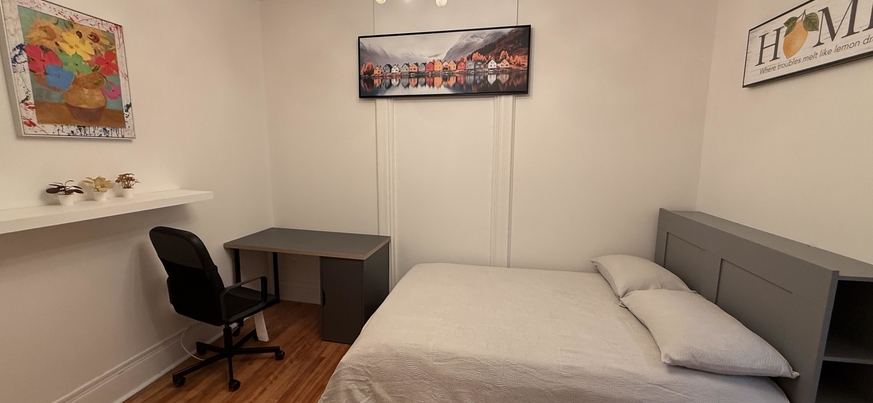
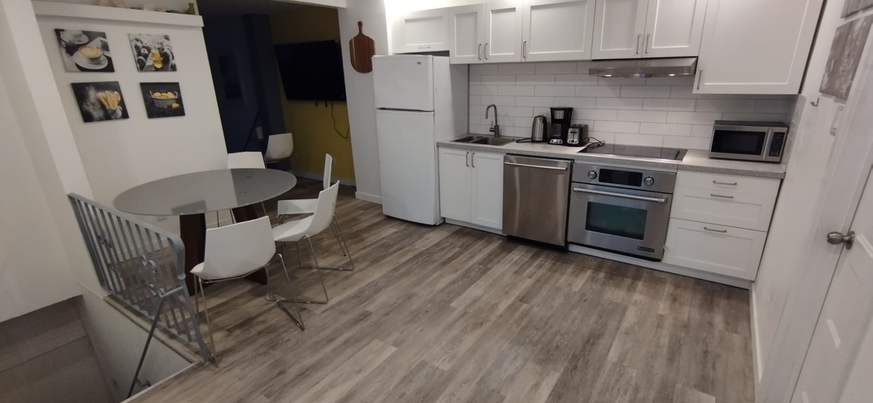
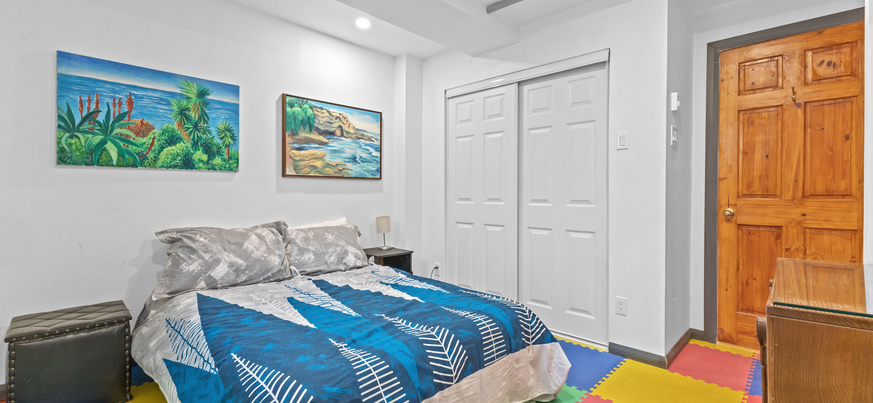
If what you actually need is flexibility rather than a formal sublet — you're relocating for a defined stretch, between leases, or just need a place while sorting out longer-term plans — it's worth weighing whether taking on a subtenant is even the right tool. Montreal Aparthotel rents fully furnished apartments for stays of 31 nights or longer, with no lease to manage, no commission, and support from a real person seven days a week if anything comes up.
Add new comment