
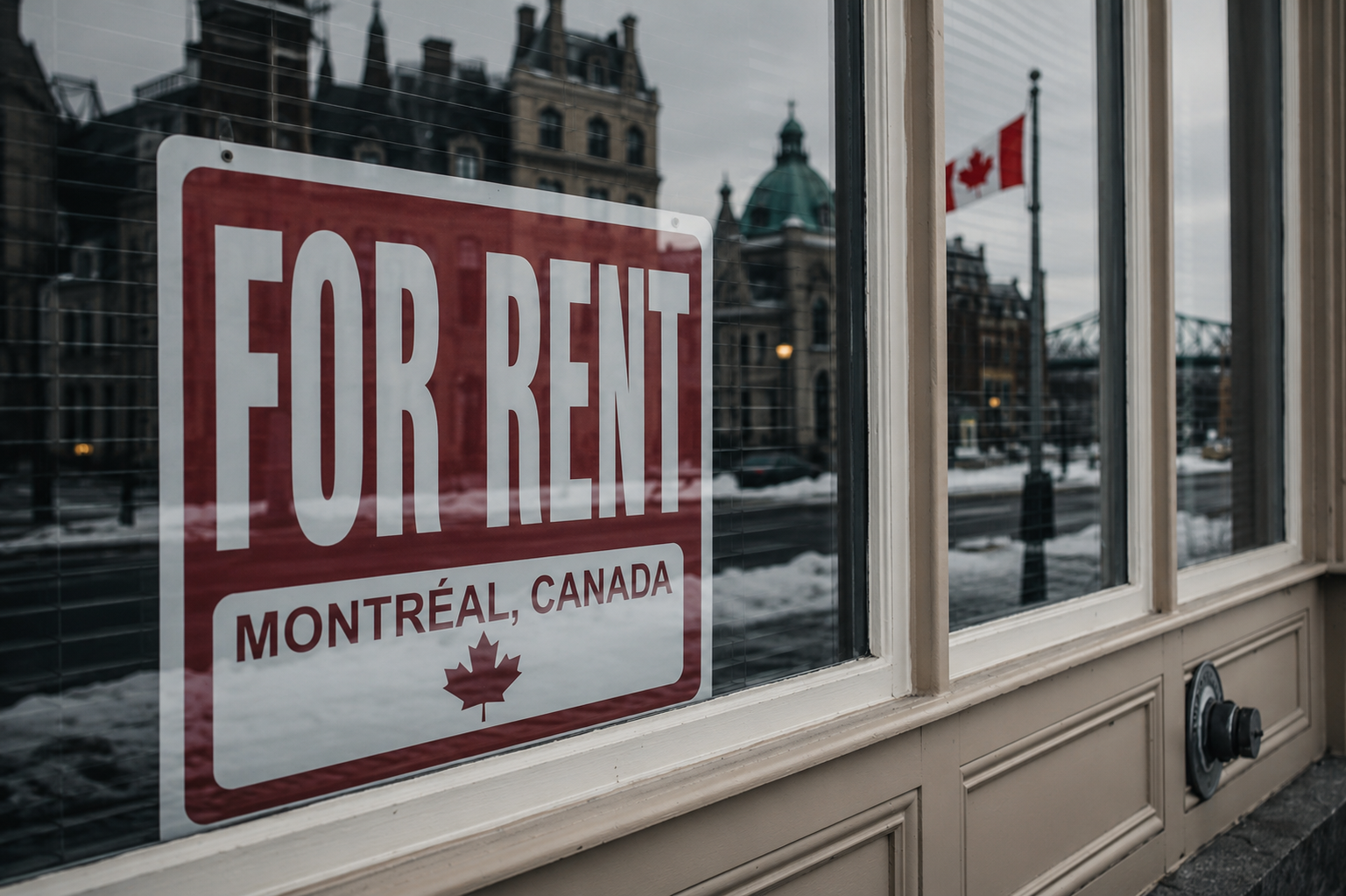
Montreal's two-bedroom asking rent climbed nearly 71% between 2019 and the first quarter of 2025, according to Statistics Canada data reported by CBC. That single number explains why so many renters are asking the same practical question: can a tenant rent out a room to help cover the bill? The short answer is yes, but Quebec's rules on subletting, lease assignment, and roommates are specific, and getting them wrong can cost you your lease.
Subletting, Assigning, or Just Taking on a Roommate — These Are Not the Same Thing
Before you post an ad, it helps to know which arrangement you're actually setting up, because Quebec law treats each one differently.
Subletting a room means someone else pays you to use part of your dwelling while you stay legally responsible for the lease agreement and remain the tenant of record with the landlord. This is the classic setup for someone leaving for a semester abroad or a work contract, then coming back.
Assigning your lease is different: you hand over the tenancy agreement completely, and the new person steps into your shoes as tenant going forward. You're out of the picture once it's done.
Taking on a roommate under joint tenancy means the new person signs the lease alongside you. Under Quebec's residential tenancies act framework — the Civil Code of Québec, Articles 1870 to 1876 — co-tenants who sign together become equally responsible for rent and for any property damage, regardless of who caused it or how the rooms are split.
Mixing these up is the most common mistake. A verbal "just pay me for the spare room" deal without clarifying which category it falls into leaves everyone — you, your roommate, and your landlord — unsure of their tenant obligations if something goes wrong.
Do You Need Landlord Approval to Rent Out a Room?
Yes. If you're subletting or assigning, Quebec law requires you to get landlord approval first. The landlord cannot refuse without a serious reason — but they're also not obligated to approve just anyone. If a landlord fails to respond to your written request within 15 days, the law treats that silence as consent, which is worth knowing if a request seems to be going nowhere.
There's an important recent wrinkle. Under Bill 31, tenants can no longer sublet or assign a lease for profit — meaning you can't charge more than your own share of the rent for the space you're renting out. And if a tenant sublets a rental unit for more than 12 months, Article 1944 of the Civil Code of Quebec allows the landlord to send a notice of non-renewal of the lease when the tenant has sublet the dwelling for more than 12 months. In other words, a room you rent out casually is fine; turning your apartment into a long-term rental business through repeated subletting is not, and it can put your own lease at risk.
Condo bylaws can add another layer if your building has an owners' association — some restrict short-term guests or require notifying the property manager separately from the landlord.
What Happens If You Skip the Paperwork
Renting out a room without telling anyone feels simpler in the moment, but it creates real legal problems down the line. If your landlord discovers an undisclosed subtenant, they can apply to the Tribunal administratif du logement (TAL) — Quebec's tribunal for rental housing disputes — to challenge the arrangement or, in serious or repeated cases, pursue eviction. The TAL replaced the former Régie du logement and hears exactly this kind of dispute, from rent increase disagreements to lease termination requests.
Unpaid rent is another flashpoint. If your roommate or subtenant stops paying their share, you're still on the hook with the landlord — the law doesn't split that obligation for you automatically unless it's a formal joint tenancy. This is where a written roommate agreement, even an informal one between the two of you, becomes genuinely useful: it won't override the Civil Code, but it gives you something concrete to point to if a dispute over money or move-out timing lands you in front of the tribunal.
Safety concerns matter too. Landlords sometimes cite occupancy limits set by municipal bylaws or fire code when objecting to an extra person in the unit — a legitimate reason for refusal that's worth checking before you commit to a roommate.
Roommates vs. Subtenants: Who's Actually Responsible for What
The distinction between a joint tenant and a subtenant isn't just semantics — it determines your rights if things sour.
A joint tenant signed the lease with you and has the same rights you do: they can go to the TAL directly, they share equally responsible status for rent and repairs, and the landlord deals with both of you as tenants.
A subtenant, by contrast, has a contract with you, not directly with the landlord. If the subtenant stops paying, your legal action is against them, not the landlord — and the landlord's legal action, if any, is against you as the original tenant. Subtenants do have some standing at the TAL in specific disputes, but their protections are narrower than a co-tenant's.
Before agreeing to either setup, it's worth a quick read of Quebec.ca's tenant resources or a call to a legal aid clinic if the situation is at all unusual — a common law relationship ending, a new person replacing a co-tenant mid-lease, or a landlord who's already pushing back.
Practical Steps Before You Rent Out a Room
A few habits make the difference between a smooth arrangement and a dispute:
-
Get the landlord's written notice of approval, not just a verbal okay
-
Draft a simple roommate agreement covering rent amount, split, notice period for moving out, and how guests are handled
-
Confirm what tenant insurance each person needs — most policies don't automatically cover a subtenant's belongings
-
Check the lease terms for any clause specifically addressing subletting or occupants
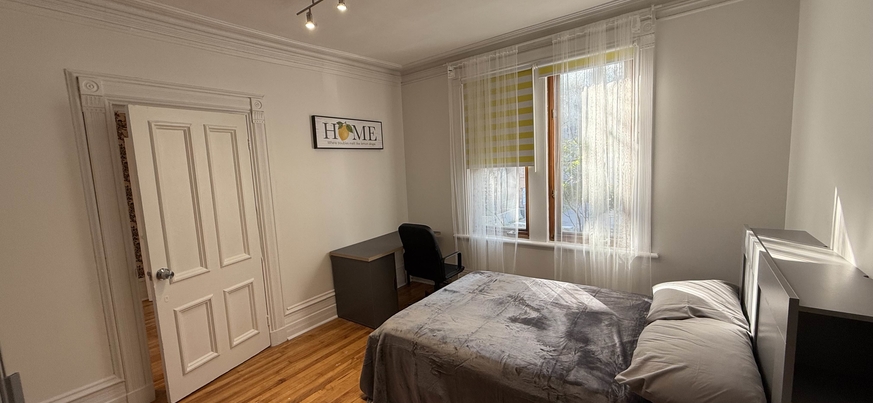
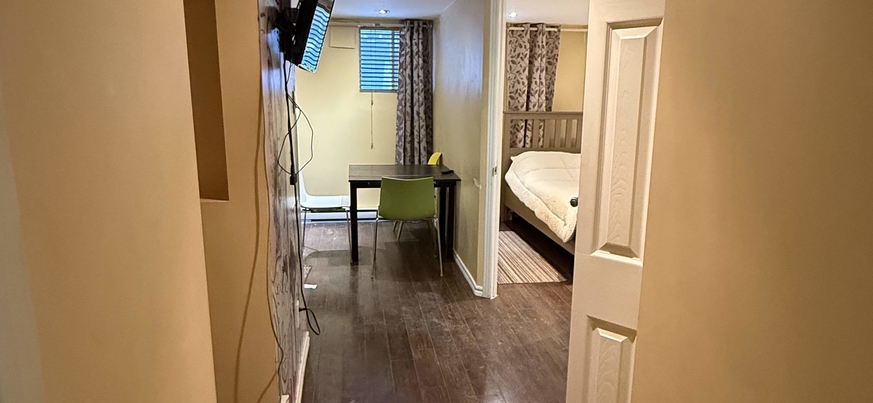
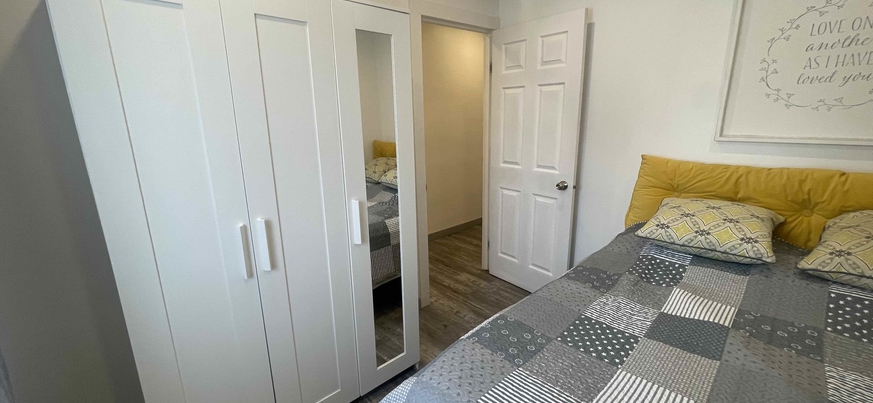
If your situation isn't really about splitting a room long-term — say you're between apartments, waiting out a renovation, or only in Montreal for a defined stretch — subletting rules and roommate paperwork may be more hassle than the situation calls for. For people who need a place to land without navigating a sublease or adding a new person to someone else's lease, Montreal Aparthotel rents fully furnished apartments by the month, no long-term commitment and no commission, since the company owns most of the units it lists directly.
Add new comment