

After last year's jarring 5.9% recommendation — the highest in three decades — Montreal tenants got a meaningful reprieve in 2026. Quebec's housing tribunal, the Tribunal administratif du logement (TAL), is recommending a 3.1% rent increase for leases renewing between April 2, 2026 and April 1, 2027. That's a significant drop from the 4.5% that applied just months earlier, and it comes with a major change to how the number is calculated.
What is the rent increase for 2026 in Montreal — and is it a hard cap?
Not exactly. Unlike provinces such as B.C. and Ontario, Quebec does not set a hard cap on rent increases. Instead, the TAL provides a recommendation that landlords and tenants use as a reference point when negotiating.
In practice, that means a landlord can propose more than 3.1% — but a tenant has the right to refuse. If no agreement is reached, the landlord has one month to file with the TAL to have the rent officially set. If neither party takes any action, the lease automatically renews at the same rent, freezing the terms for another year.
To put the number in context: on a $1,300/month apartment, 3.1% works out to roughly $40 more per month.
Why the Rate Changed — New Calculation Method
The 3.1% figure is also the first result of a completely overhauled formula. Starting January 1, 2026, the old method — which used over a dozen annual economic indicators and had been in place since the 1980s — was replaced with just four key factors: Quebec's Consumer Price Index averaged over three years, municipal and school taxes, and insurance costs. The three-year averaging is specifically designed to prevent the kind of spike seen after the pandemic, when a single bad inflation year drove the TAL's number sharply upward.
For units in seniors' residences or buildings with services included, the recommended increase is higher, at 6.7%, based on a separate health services index.
What About Leases Renewing Before April 2?
For leases renewing on or before April 1, 2026, the applicable rate is 4.5% — not 3.1%. CBC News The cut-off date matters. If your renewal was due in January, February, or March, the higher rate still applies to your negotiation.
Landlords must give three to six months' written notice before the end of a lease if they plan to increase rent. Tenants then have one month to respond — in writing — to accept or refuse.
The Gap Between the TAL Rate and Reality
Here's the uncomfortable part. According to the Canada Mortgage and Housing Corporation, Montreal rents increased by 7.2% in 2025 — well above the TAL's recommended rate for that period. The TAL guideline shapes negotiations but doesn't guarantee the final outcome, especially when tenants don't push back or when units turn over to new tenants entirely.
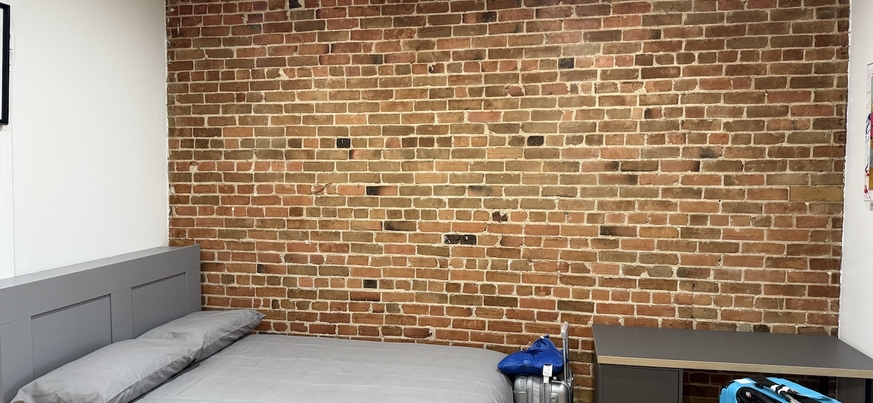
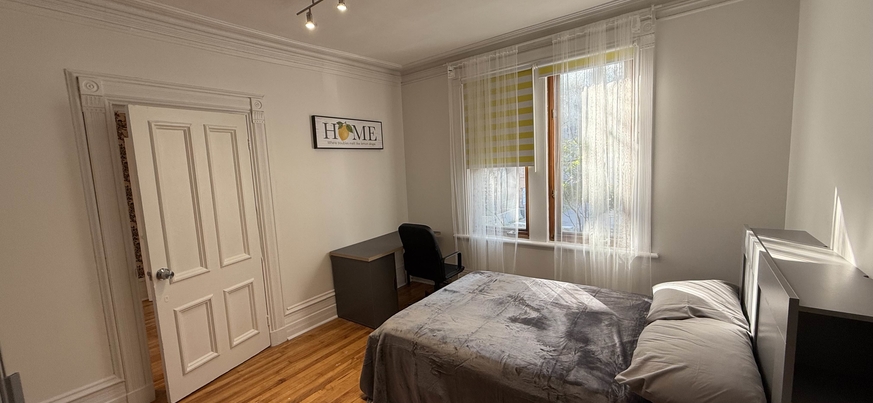
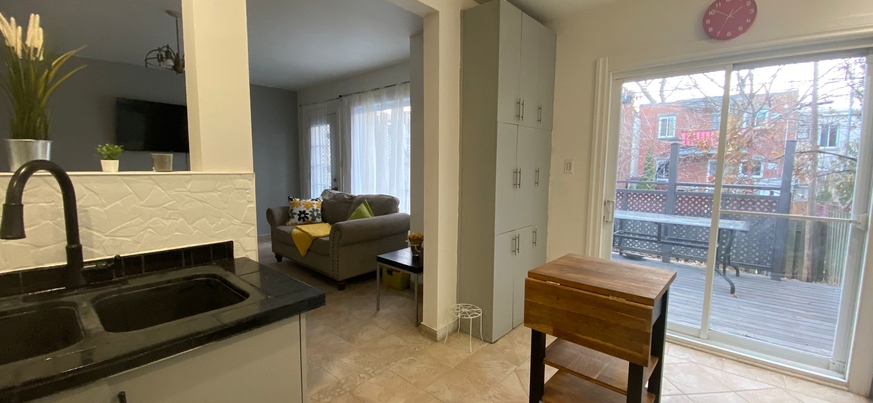
If you're looking to sidestep lease renewals and annual increases altogether — especially for a transitional or medium-term stay — Montreal Aparthotel rents fully furnished apartments by the month, with no long-term commitment and no commission. Pricing is transparent, and there's no annual renegotiation to worry about.
Add new comment