
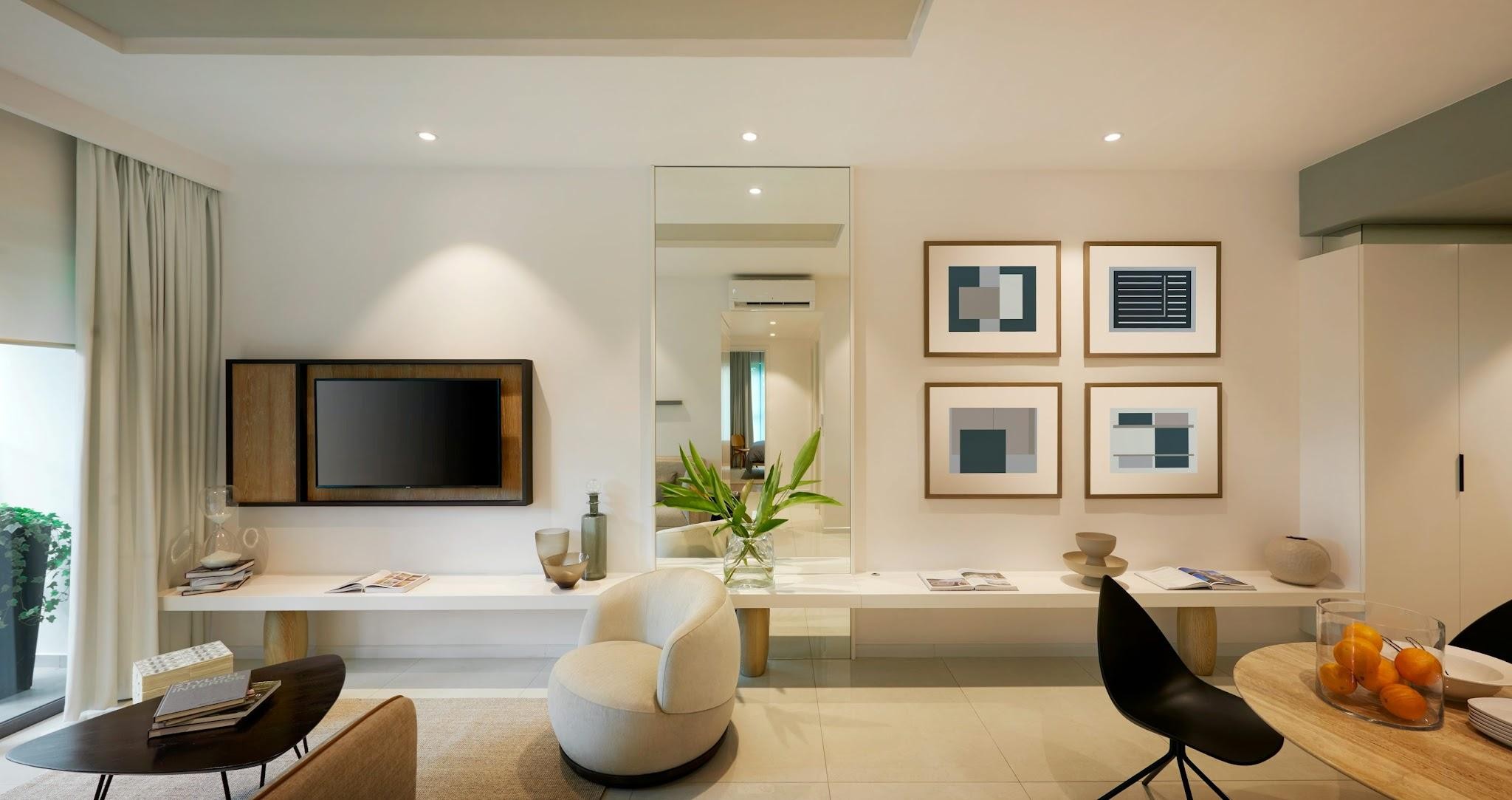
Renting out a furnished apartment in Montréal can be a good way to earn rental income, especially if the unit would otherwise sit empty for a few months. But it can also become stressful fast if you list it without a plan.
The stress usually does not come from the apartment itself. It comes from unclear rules, weak screening, no inventory, poor photos, missing maintenance contacts, and last-minute decisions about keys, cleaning, or rent collection.
This guide is for owners who already have a furnished apartment, condo, basement unit, or rental property in Montréal and want a calmer way to rent it out. It is not about buying a apartment to rent out or buying apartment and renting it out as a theory. It is about the real steps: preparing the space, choosing the right rental format, finding tenants, reducing risk, and keeping the process organized.
If you are asking, Can I rent out my apartment? the answer is often yes — but the right process depends on whether you own the property, your building rules, insurance, lease format, and the type of rental you want to offer.
Quick Answer: The Low-Stress Way to Rent Furnished in Montréal
The low-stress way to rent a furnished apartment in Montréal is to avoid constant turnover and build a simple owner system before the first inquiry arrives.
For many owners, that means focusing on furnished stays of 31 nights or more instead of nightly tourist stays. Mid-term renters usually stay for a few months, need a move-in-ready home, and ask fewer daily questions than tourists.
A simple step process looks like this:
-
Choose the right rental format.
-
Prepare the apartment before listing.
-
Deep clean the unit and fix urgent repairs.
-
Create a detailed inventory.
-
Use high-quality photos for listings to attract serious renters.
-
Write clear rental rules.
-
Screen potential renters fairly.
-
Use a written agreement or proper lease agreement.
-
Plan keys, cleaning, maintenance, and rent collection.
-
List the apartment where people are already searching for furnished stays.
The goal is not to manage more. It is to stop improvising.
Choose the Right Rental Format First
Before you write the listing, decide what kind of rental you are offering. A furnished apartment can be rented in different ways, and each format brings a different level of work, rules, and responsibility.
Tourist short-term rental
Tourist short-term rental usually means stays of 31 days or less. It can look attractive because nightly prices seem high, but the daily work is heavier: more check-ins, more cleaning, more questions, more wear on furniture, and more neighbour sensitivity.
In Montréal, tourist rentals of a principal residence for 31 days or less require a host permit and are allowed from June 10 to September 10 under the city’s rules. That is one reason many owners prefer a furnished 31+ night model when it fits their plans.
This does not mean every owner must avoid short-term rentals. It means you need to understand local regulations, insurance, condo rules, and lease requirements before building your plan around nightly stays.
Furnished 31+ night rental
A furnished 31+ night rental is often the calmer option. It works well for people who need temporary living without hotel life: travelling professionals, visiting academics, graduate students, newcomers, remote workers, people renovating their own home, or families between homes.
Targeting mid-term renters reduces turnover and stress compared to short-term rentals. There are fewer moving day moments, fewer cleanings, fewer key handoffs, and fewer same day questions.
Furnished rentals are ideal for temporary living situations because tenants can arrive with luggage and start living normally right away. That is the main advantage of a furnished rental over an unfurnished unit.
Long-term furnished lease
A long-term furnished lease can also work if you want stability. The renter stays longer, rent collection becomes more predictable, and there is less turnover.
The trade-off is flexibility. If you may need the apartment back soon, or if your plans are uncertain, a long-term tenancy may not be the best fit. Once a residential lease is signed, both landlord and tenants have rights and obligations.
Know Who Your Furnished Apartment Is For
A furnished apartment should not be marketed to everyone. The clearer your audience, the easier the rental process becomes.
Your apartment may suit:
-
young professionals near business hubs;
-
visiting professors or researchers;
-
students;
-
newcomers to Montréal;
-
remote workers;
-
people in Montréal for medical reasons;
-
families waiting for another home;
-
empty nesters who want flexibility;
-
tenants in transition;
-
people renovating their own place.
A downtown condo with a desk and metro access will appeal to a different person than a quiet basement apartment in a residential neighbourhood. If you want to rent out basement apartment space, be clear about entrance, windows, ceiling height, laundry, parking, noise, and privacy.
The best listing speaks to the person who actually needs that type of space.
Prepare a Furnished Apartment for the Rental Market
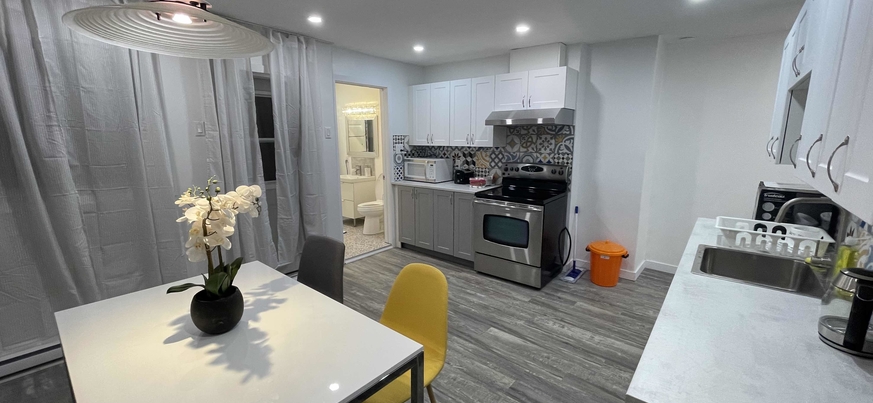
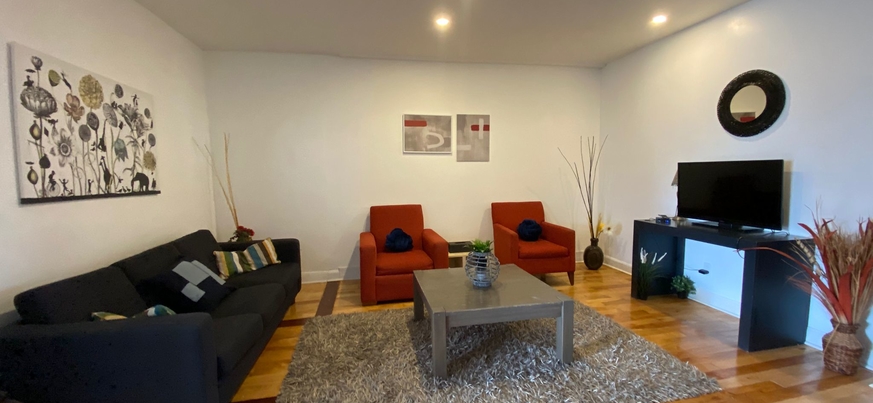
A furnished unit is not just an empty apartment with furniture. It should feel ready for real life.
Start with the basics.
Perform safety checks and fix urgent repairs. Test smoke alarms, locks, windows, heating, hot water, appliances, outlets, and plumbing. Landlords in Québec must keep the dwelling in good liveable condition and make necessary repairs.
Deep clean the unit before listing. Clean inside appliances, bathroom grout, kitchen cabinets, drawers, baseboards, floors, closets, and balcony areas. A clean apartment photographs better and creates trust before the renter even visits.
Neutralize decor and touch up paint. Use neutral paint to enhance the apartment’s appeal. A well-staged apartment attracts more potential tenants, but “staged” does not mean fake. It means clean, simple, practical, and easy to imagine living in.
Remove personal belongings, extra clothing, private documents, sentimental items, and anything you would worry about losing. If it matters to you, do not leave it in the apartment.
Furnished Rentals Checklist
Before publishing the listing, walk through the apartment like someone arriving from another city with two suitcases.
Create a detailed inventory list. Include furniture, appliances, cookware, dishes, linens, towels, keys, fobs, remote controls, lamps, and any valuable items. Create a detailed inventory list and have tenants sign it upon arrival.
Include kitchen basics and cookware: plates, bowls, glasses, mugs, cutlery, knives, cutting board, pots, pans, kettle or coffee maker, dish soap, and simple cleaning supplies.
Provide a proper mattress and bedding. A bad mattress can ruin the stay. Include pillows, mattress protector, clean sheets, blankets, hangers, and enough storage.
Test Wi-Fi and leave reset instructions. For many mid-term renters, Wi-Fi is not optional. If you advertise the apartment as work-friendly, make sure the connection and workspace are good enough.
Also check appliances. Tenants are responsible for notifying landlords of appliance issues, but owners should make sure everything works before move in.
Make the Apartment Truly Move-In Ready
“Furnished” should mean the renter can arrive and live normally from day one.
A move-in-ready furnished apartment should include:
-
clean bed and bedding;
-
basic kitchen equipment;
-
fast Wi-Fi;
-
table or desk;
-
comfortable chair;
-
working appliances;
-
bathroom basics;
-
storage space;
-
garbage and recycling instructions;
-
heating or air conditioning instructions;
-
building rules;
-
emergency contact.
Fully furnished apartments can cost 10% to 20% more than unfurnished in some markets, but that is only a rough rule of thumb. The higher rent is easier to justify when the apartment truly saves the renter time, money, and effort.
Furnished apartments often attract higher returns than unfurnished long-term leases, but they also bring extra responsibility. Furniture wears out. Linens need replacing. Appliances need attention. Furnished unit rentals come with added liability regarding damaged items, so documentation matters.
Create an Inventory Before You List
Do not wait until the new tenant arrives to document the apartment.
Take clear photos and video of:
-
walls;
-
floors;
-
furniture;
-
mattress;
-
sofa;
-
tables;
-
kitchen items;
-
appliances;
-
bathroom;
-
closets;
-
windows;
-
balcony;
-
keys and fobs.
Document condition with high-resolution photos before tenants move in. This helps if there is property damage or disagreement later.
The inventory is not about being suspicious. It protects both sides. The tenant knows what belongs in the unit. The landlord has a clear record if something is missing, broken, or replaced.
Update the inventory whenever furniture or appliances are replaced.
Price It for Monthly Living, Not Nightly Tourism
Do not price a furnished monthly rental by taking a nightly tourist rate and multiplying it by 30. That usually leads to unrealistic pricing and longer vacancy.
Research comparable furnished apartments in your neighbourhood. Compare similar units by location, bedroom count, metro access, condition, Wi-Fi, workspace, parking, utilities, and length of stay.
Add a furniture depreciation buffer to your price. Buying furniture, replacing linens, repairing appliances, and covering wear should be part of your budget.
Calculate expected monthly rental income vs holding costs:
-
mortgage or condo fees;
-
property taxes;
-
insurance;
-
utilities;
-
internet;
-
cleaning;
-
maintenance;
-
repairs;
-
vacancy;
-
your own time.
Price furnished apartments according to market demand. A good price brings serious inquiries. A price based only on emotion often creates silence.
Old rent numbers online can be misleading. For example, “As of November 2023, average rent for a 1-bedroom is $1,594” may appear in older market summaries, but current pricing should be checked against today’s Montréal rental market, not old averages. Statistics Canada has reported continued changes in asking rents since then, so use current comparable listings when making an informed decision.
Write a Listing That Filters Out the Wrong Renters
A strong listing does two jobs: it attracts the right people and filters out the wrong ones.
Include:
-
available dates;
-
minimum stay;
-
monthly rent;
-
what is included;
-
utilities;
-
Wi-Fi;
-
number of real bedrooms;
-
workspace;
-
appliances;
-
building rules;
-
smoking rules;
-
pets policy;
-
guest rules;
-
parking;
-
transit access;
-
who the apartment is best for.
Provide clear information about rental terms to potential tenants. Clearly outline rental rules from the beginning to set tenant expectations. Clear rental rules help prevent misunderstandings with tenants.
A vague listing creates too many messages. A clear listing saves time and brings better potential renters.
Use Photos That Show the Apartment Honestly
Use high-quality photos for listings to attract serious renters.
Show the apartment as it really is:
-
bedroom;
-
living room;
-
kitchen;
-
bathroom;
-
workspace;
-
storage;
-
natural light;
-
appliances;
-
entrance;
-
balcony or parking if included.
A virtual tour can help renters who are moving from another city or country. It also reduces repetitive questions and helps people decide faster.
Do not use extreme wide-angle photos that make rooms look much larger than they are. Do not call a den a bedroom if it is not a real bedroom. Honest photos build trust.
Screen Renters Without Crossing Legal Lines
Screening is important, but it must be fair and connected to the rental.
A rental application can ask for information such as desired move in date, length of stay, number of occupants, ability to pay, employment history or study context, rental history, and references. A reference check can help you understand how the person handled a previous rental.
In Québec, landlords must avoid discriminatory questions. Do not ask about religion, ethnic origin, disability, family plans, personal relationships, or anything unrelated to rental suitability. Housing discrimination is prohibited.
A rigorous background check approach does not mean being invasive. It means using the same process for everyone:
-
confirm identity;
-
review financial situation;
-
ask for proof of income or funds;
-
check references;
-
use a written agreement;
-
confirm dates and expectations.
Some generic advice says to aim for tenants with a credit score of 660 and above for easy approval. Be careful with rigid rules like that. Newcomers, students, and visiting academics may not have a strong Canadian credit file. Look at the full application, not only one number.
Avoid taking money before verification. Do not hand over keys without documents, payment record, and clear move-in terms.
Do Not Build Your Risk Plan Around a Security Deposit
Many owners think a security deposit is the easiest way to protect furniture. In Québec residential leasing, that is not the right approach.
The Tribunal administratif du logement says a landlord cannot require additional amounts as a security deposit, key deposit, or other charge beyond allowed rent payments.
Instead, reduce risk with:
-
careful screening;
-
written agreement;
-
signed inventory;
-
move-in photos;
-
move-out photos;
-
insurance;
-
traceable payments;
-
clear house rules;
-
documented communication.
If something is damaged, your strongest protection is a clear record — not a deposit you were not allowed to require.
Practical Tips and Common Mistakes
Avoid taking money before verification. Rushed payment can be a red flag, especially if names, dates, or stories do not match.
Keep all communications and receipts documented. Save emails, signed documents, payment records, repair invoices, photos, and inventory updates. Using online tools can streamline property marketing and management, even if you only use a shared folder and spreadsheet.
Maintain key control. Track every key, fob, mailbox key, garage remote, and building access card.
Respond quickly. Timely responses help serious renters stay interested and prevent confusion.
Do not treat a furnished rental like a hotel. Tenants staying for a few months want a home, not daily service.
Do not treat it like an unfurnished apartment either. A furnished unit needs better instructions, inventory, cleaning, and appliance care.
Consider property management services to minimize daily management stress if you live far away or do not want to handle communication, repairs, and rent collection. A property manager can help, but it costs money and may not be necessary if your main need is visibility.
Build a Simple Owner System
A stress-free rental needs a simple system.
Prepare:
-
saved replies for inquiries;
-
rental application process;
-
lease agreement or tenancy agreement file;
-
inventory list;
-
house rules;
-
cleaning checklist;
-
maintenance contacts;
-
key plan;
-
rent collection method;
-
move-in and move-out photo routine;
-
insurance information;
-
repair approval process.
If you have all the steps ready before the first inquiry, the rental process feels much easier.
Plan Keys, Cleaning, and Maintenance Before the First Inquiry
Most stress comes from small practical details.
For keys, decide who has copies, how handoff works, what happens if a key is lost, and whether the building has move-in rules.
For cleaning, set a clear standard. Decide who cleans, what supplies stay, whether linens are included, and who checks the unit before the next move in.
For maintenance, keep contacts ready: plumber, electrician, appliance repair, cleaner, locksmith, building contact, and emergency person.
Landlords must maintain the unit in liveable condition. Tenants must report damage or defects. Put that in the rules so both sides understand responsibility.
Insurance and Building Rules Matter More Than Owners Think
Before listing, call your insurer and explain the rental plan. A furnished rental, temporary stay, condo, basement apartment, or rental unit may affect coverage.
If the apartment is in a condo building, read the rules. Some buildings limit rental length, pets, smoking, guests, elevator bookings, move-in dates, or short-term stays.
If you are a tenant yourself, do not rent the unit informally. A lease assignment and sublet are different. With a sublet, you can remain responsible. With a lease assignment, another person may take over the lease, but the process must be handled properly under Québec rules.
Rent increase rules may also matter if your arrangement becomes a residential tenancy. In Québec, rent increases follow notice rules and timing, and a landlord cannot simply raise rent whenever they want. TAL materials explain the notice process and tenant response rights.
Where to List a Furnished Apartment in Montréal
List where people are already doing an apartment search for furnished monthly housing, relocation stays, academic housing, or 31+ night rentals.
Avoid posting with vague tourist wording if your goal is a furnished mid-term rental. Use language that matches the real renter:
-
furnished apartment;
-
monthly stay;
-
31+ nights;
-
utilities included;
-
near metro;
-
workspace;
-
move-in ready;
-
ideal for relocation, study, work, or transition.
Montreal-aparthotel.com can help owners show furnished apartments to people already searching for short- and mid-term stays in Montréal.
Montreal-Aparthotel is not a full property management company. It helps owners list furnished apartments and reach potential renters. If you need someone to handle repairs, collect rent, answer every message, and manage daily issues, you may want to hire a property manager. If you mainly want visibility and want to stay involved in the process, listing your furnished apartment can be a practical option.
Stress-Free Furnished Rental Checklist
|
Task |
Done |
|
Rental format chosen |
☐ |
|
Local rules checked |
☐ |
|
Insurance reviewed |
☐ |
|
Building or condo rules checked |
☐ |
|
Smoke alarms tested |
☐ |
|
Urgent repairs completed |
☐ |
|
Unit deep cleaned |
☐ |
|
Personal belongings removed |
☐ |
|
Neutral paint touch-ups done |
☐ |
|
Furniture checked |
☐ |
|
Appliances tested |
☐ |
|
Wi-Fi tested |
☐ |
|
Inventory completed |
☐ |
|
Photos and video taken |
☐ |
|
Listing written clearly |
☐ |
|
Rental rules written |
☐ |
|
Application process ready |
☐ |
|
Reference check process ready |
☐ |
|
Written agreement ready |
☐ |
|
Key plan ready |
☐ |
|
Cleaning contact ready |
☐ |
|
Maintenance contacts ready |
☐ |
|
Rent collection method set |
☐ |
Conclusion
How to rent out your furnished apartment in Montreal without the stress comes down to preparation.
Choose the right rental format. Prepare the apartment properly. Deep clean it. Use neutral decor. Create an inventory. Take honest photos. Screen renters fairly. Keep the agreement in writing. Do not rely on a security deposit. Plan keys, cleaning, maintenance, repairs, and rent collection before the first message arrives.
A furnished rental can be a good source of rental income and a useful housing option for people who need temporary living in Montréal. But it works best when the owner treats the apartment like a complete home, not just a spare space.
If you want to find tenants for a furnished apartment without turning the process into daily work, Montreal-Aparthotel can help your unit appear in front of people already looking for furnished short- and mid-term stays in the city.
FAQ
Can I rent out my apartment in Montréal if it is furnished?
Yes, but check ownership status, lease rules, building rules, insurance, and rental format. If you are a tenant, subletting or lease assignment has its own process.
How to rent out an apartment without stress?
Use a clear system: listing, screening, written agreement, inventory, photos, key control, cleaning, repairs, and documented rent collection.
How to rent out a furnished apartment in Montréal?
Prepare the unit as move-in ready, document the inventory, take good photos, set clear rules, screen renters, use proper documents, and list where furnished renters are searching.
Is furnished better than unfurnished?
It depends. Furnished apartments can bring higher monthly rent, but they also involve more maintenance, furniture wear, inventory updates, and responsibility for appliances.
Can I ask for a security deposit in Québec?
For residential leasing, no. Québec rules generally do not allow landlords to require a security deposit. Use screening, photos, inventory, insurance, and written terms instead.
Should I hire a property manager?
Hire a property manager if you live far away, do not want tenant communication, or need help with repairs and daily management. If your main need is visibility, listing may be enough.
Where can I list a furnished apartment in Montréal?
Use channels where people search for furnished monthly stays, relocation housing, academic stays, or 31+ night rentals. Montreal-Aparthotel is one option for furnished short- and mid-term stays in Montréal.
Add new comment