

You bought the condo. Maybe you're relocating, maybe you inherited it, maybe it was meant to be an investment. Now it's sitting there — or you're drowning in Airbnb messages at midnight — and the income you imagined when you signed the deed isn't quite materializing the way you expected. Sound familiar?
Passive income from a rental apartment in Montreal is absolutely real. But it doesn't come from just listing your place on a platform and hoping for the best. It comes from choosing the right rental model, the right tenants, and — if you want it to be truly hands-free — the right people to manage it for you. This article breaks down exactly what you can expect: real numbers by apartment size and neighbourhood, the honest pros and cons of each approach, and what to look for before handing your keys to anyone.
Why Medium-Term Furnished Rental Beats Both Airbnb and Traditional Leases
Let's start with the most common question property owners have right now: should I use Airbnb, sign a long-term lease, or try something in between?
The short answer: for most Montreal owners who want genuine passive income without regulatory headaches, medium-term furnished rental in Montreal — stays of 31 nights or longer — is the strongest option.
Here's why Airbnb has become significantly harder. As of 2025, Montreal restricts short-term principal residence rentals to a narrow window between June 10 and September 10 — roughly 90 days per year. Outside that period, short-term rentals of residential properties are banned in most boroughs. Three boroughs (Lachine, Saint-Laurent, and Saint-Léonard) prohibit them outright, year-round. Non-compliant hosts face fines up to $10,000. The short-term rental model that worked five years ago is now restricted to a fraction of the calendar.
Traditional long-term leasing is the opposite problem. You lock in a tenant, you lock in a rent amount, and Quebec's Tribunal administratif du logement makes it genuinely difficult to raise rents or end leases even when circumstances change. You also lose the furnishings premium. And if you get a problematic tenant, eviction can stretch for months.
Medium-term rental — a flexible lease starting at 31 days, with a fully furnished unit, typically all-inclusive rent covering utilities and Wi-Fi — threads the needle between both extremes. You get:
-
Stable, predictable monthly cash flow without the nightly-turnover grind
-
Tenants who stay weeks or months, not days — meaning fewer changeovers, fewer cleaning cycles, fewer chances for things to go wrong
-
Freedom from Quebec's residential tenancy laws that govern long-term leases
-
A move-in ready apartment that commands a meaningful premium over unfurnished units
-
Access to a reliable tenant pool: relocating professionals, international students, expats on assignment, insurance claimants temporarily displaced from their homes
The trade-off is real: your unit needs to be properly furnished, maintained, and listed in the right places to reach this tenant pool. That's where the management side of things matters.
What Can You Actually Earn? Real Numbers for Montreal
Here's what the Montreal furnished apartment market looks like right now, based on current data.
For unfurnished long-term apartments, average rents across the island in early 2025 sat around $1,678/month</a> for all unit sizes combined. By neighbourhood and unit size, the spread is significant:
|
Neighbourhood |
1-bedroom |
2-bedroom |
|
Ville-Marie (Downtown) |
~$1,668 |
~$2,308 |
|
Plateau-Mont-Royal |
~$1,600–$1,750 |
~$2,100–$2,400 |
|
Verdun / Sud-Ouest |
~$1,500–$1,650 |
~$1,900–$2,100 |
|
Rosemont / Villeray |
~$1,400–$1,550 |
~$1,800–$2,000 |
|
Ahuntsic / Anjou |
~$1,183–$1,497 |
~$1,546–$1,600 |
Now layer in the furnished apartment rental income premium. A fully furnished unit — one with furniture, appliances, bedding, cookware, and Wi-Fi included — consistently commands $150 to $400 more per month than its unfurnished equivalent in the same building. For a downtown one-bedroom, that means a realistic monthly furnished apartment Montreal price in the $1,900–$2,300 range. A two-bedroom in Plateau or Ville-Marie, well-furnished and managed, can realistically achieve $2,400–$2,900/month, all-inclusive.
For corporate tenants or insurance-displacement cases — tenants placed by employers or insurers — the premiums can stretch further, particularly for well-located, well-maintained units near the metro.
A few realistic income scenarios:
One-bedroom, near downtown metro, well-furnished: $1,900–$2,200/month gross Two-bedroom, Plateau or Rosemont, move-in ready: $2,300–$2,800/month gross Two-bedroom, Longueuil or outlying areas: $1,700–$2,100/month gross Studio, central location: $1,400–$1,700/month gross
Your net rental income after management fees (typically 15–25% depending on the company and services included) will be lower — but the absence of vacancies, tenant problems, and your own time spent managing makes the comparison more nuanced than the gross number alone.
One benchmark worth knowing: according to CMHC data, Montreal's vacancy rate was around 2.1% in 2024 and is projected to edge up to approximately 2.5% in 2025 — still tight enough that a well-priced, well-located furnished apartment for monthly rental should not sit empty long. Occupancy rate is everything in this business. A unit that earns $2,000/month but sits vacant two months per year earns less than one priced at $1,800 with consistent occupancy.
What "Hands-Free" Actually Means — And What It Doesn't
When a property management company says "hands-free," most owners imagine handing over the keys and watching the money arrive. The reality is more nuanced — and knowing what's actually included saves a lot of frustration later.
Here's what a legitimate apartment management service for furnished rental properties in Montreal typically handles:
-
Listing and marketing: Creating the listing, taking quality photos, pricing the unit competitively, distributing it across the right platforms and their own tenant networks.
-
Tenant screening: Finding verified tenants, checking references, confirming income or employer, screening for stays of 31+ days. The difference between a good and bad company often lives here.
-
Booking and lease management: Drafting agreements, collecting deposits, managing check-in logistics, handling keys.
-
Day-to-day tenant communication: Maintenance requests, complaints, questions about the building. You don't field these calls — they do.
-
Cleaning and turnover: Between tenants, the unit gets cleaned and inventoried.
-
Maintenance coordination: For repairs, most companies will coordinate with tradespeople up to a pre-agreed cost threshold. Larger repairs typically require your approval — this is usually where the owner's involvement kicks in.
-
What you still own: Major repair decisions, insurance, condo fees and taxes, and any capital improvements. You're still the owner — the management company runs the operations, not the asset.
For owners who are abroad, relocated, or simply want their evenings back, this division works well. The key is understanding that "passive" means low involvement, not zero involvement. You'll get periodic statements, you'll sign off on anything material, and you should stay informed about how your unit is performing.
What to Look for When Choosing a Property Manager in Montreal
This is where it's worth slowing down. The rental management business in Montreal ranges from excellent to genuinely problematic, and the consequences of a bad choice — vacancy, damaged property, unpaid rent passed through slowly — can take months to unwind.
Green flags:
A company that has its own portfolio of units it manages directly — not just third-party properties — understands the reality of the furnished rental business because it lives it. They know the market because they're in it. Ask how many of their listed units they actually own.
Transparent fee structures. You should understand exactly what percentage they take, what's included, and what triggers additional charges. "Management fee" can mean different things at different companies — clarify upfront.
Selective tenant screening. A company that will put anyone in your unit to avoid a vacancy is not protecting your asset. Ask how they screen, what their criteria are, and what their average tenant stay length is.
Physical inspection before listing. Any company worth working with will visit your unit before agreeing to manage it — not just to assess it for pricing, but to confirm it meets the standard they're prepared to stand behind.
References from other owners. Not testimonials on their website — actual conversations with people who have their properties in that company's portfolio.
Red flags:
Guaranteed rent promises with unusually high numbers and no clear explanation of how they achieve them. Promises of 100% occupancy regardless of market conditions. Vague answers about who actually handles tenant screening. No in-person inspection before onboarding. Commission structures that incentivize high turnover over stable tenants.
For owners who want rental income from a Montreal apartment with genuinely low involvement, Montreal Aparthotel is worth a direct conversation. They've been operating in the medium-term furnished rental space in Montreal for over 10 years — long enough to have managed through every kind of market condition — and they work directly with property owners rather than through intermediaries. Most of their portfolio is owned by the company itself, so they're not just managing your risk from a distance; they're living the same exposure. Every unit is personally inspected before listing, and their tenant base — relocating professionals, expats, international students, insurance cases — tends to stay for months, not nights.
How to Get Started — A Practical First Step
If you've got an apartment in Montreal that's currently empty, under-earning, or draining your time, here's how to approach this practically.
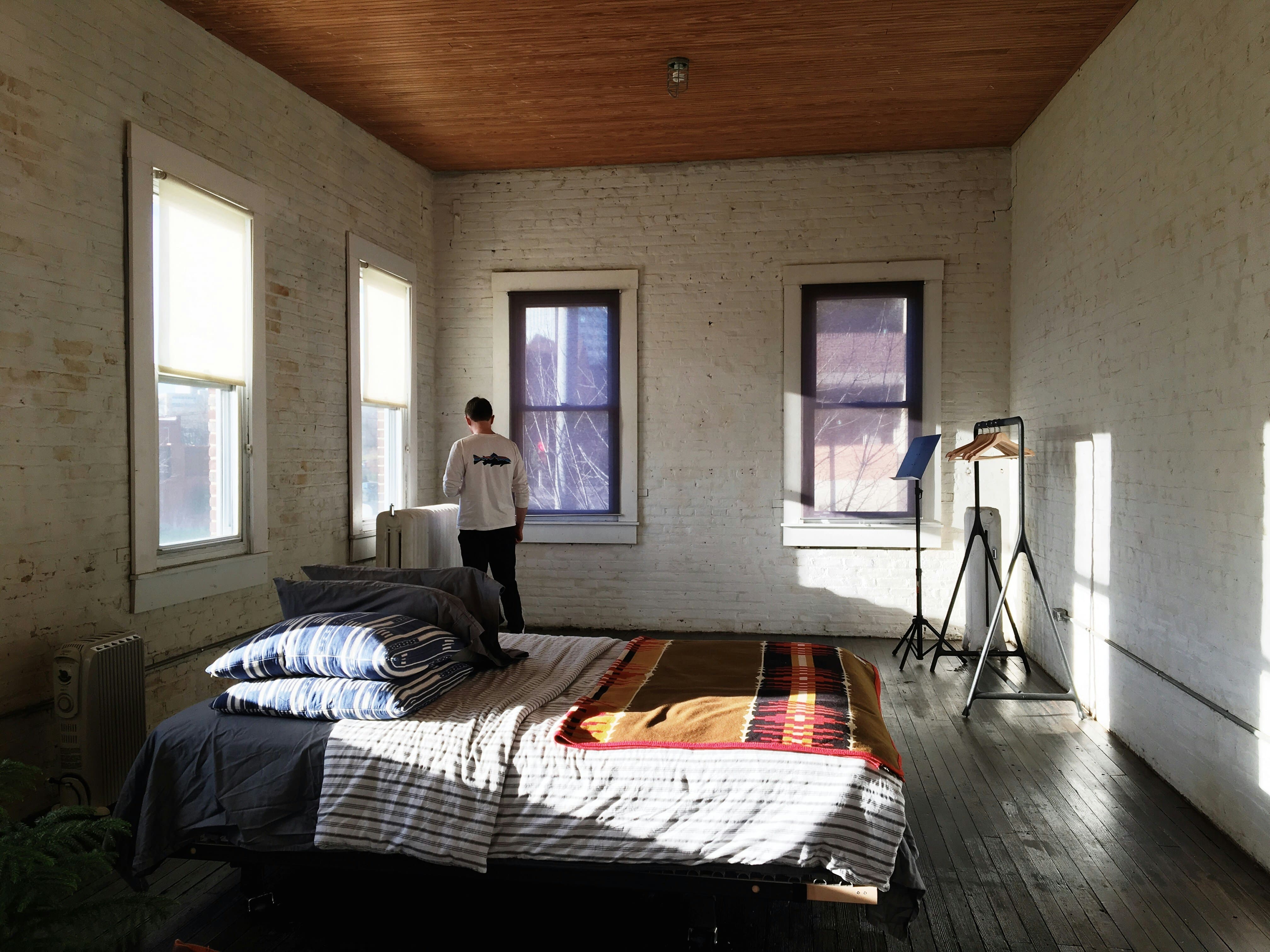
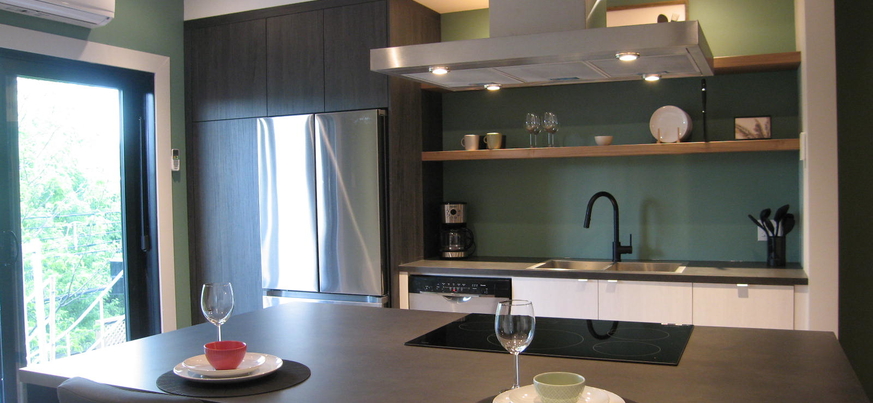
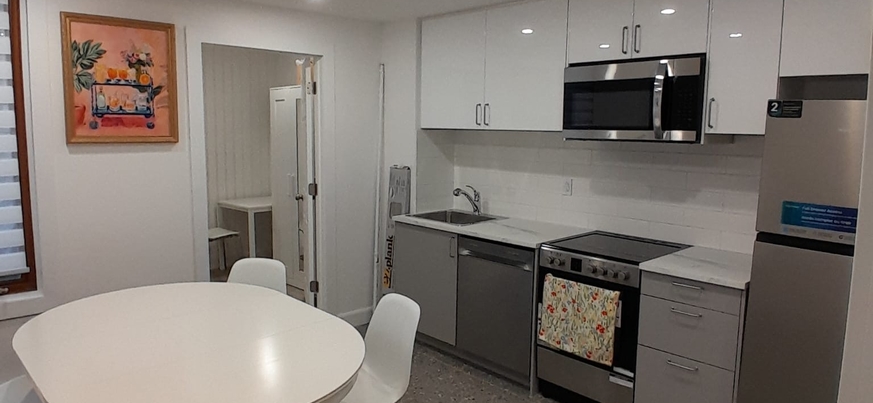
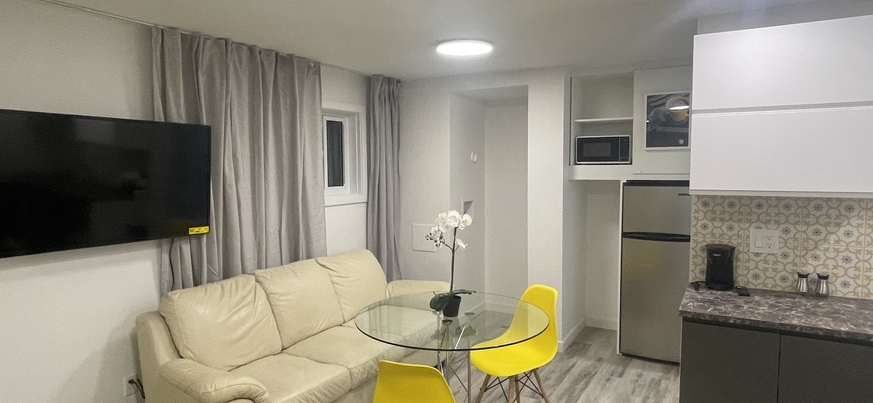
Start with an honest assessment of your unit. Is it furnished to a standard that would attract a relocating professional or expat? "Furnished" in this context means a fully functional home — bed, bedding, sofa, dining table, kitchen equipment, good Wi-Fi, working appliances. Not a bare mattress and a borrowed pot. The furnishing standard directly determines what you can charge and who you can attract.
Then establish what you actually want from this. If you want maximum income and are prepared to stay involved, self-managing with good platforms and careful tenant selection is viable — but it is genuinely work. If you want rental income from your Montreal apartment with minimal involvement, that means accepting a management fee in exchange for your time and headspace.
Get at least two or three valuations from different companies — and ask each of them to walk through their tenant sourcing, screening process, and what happens when a unit sits vacant. The answers will tell you as much as the numbers.
If you'd rather skip the comparison shopping and talk to someone who's been doing this specifically in Montreal for a decade: montreal-aparthotel.com/proprietaires · +1 438-838-8833 · info@montreal-aparthotel.com
The window of time when your apartment earns nothing — or earns less than it should — has a real cost. Every month of vacancy or underperformance is income that doesn't come back.
Add new comment