

You bought the apartment. Maybe you're relocating, maybe you inherited it, maybe it's sitting empty while you figure out your next move. Every month it costs you — mortgage, condo fees, insurance, property taxes — and every month it earns nothing. Or maybe you tried renting it yourself and discovered that being a landlord means answering texts at 11 PM about a leaky faucet and spending weekends chasing lease renewals.
There's a better setup. And more Montreal property owners are finding it through passive income rental apartments in Montreal that run almost entirely without their active involvement. Here's how it actually works.
Why Medium-Term Furnished Rental Beats Both Airbnb and Long-Term Leasing
Most owners think in binary terms: Airbnb or a 12-month lease. Both have real problems.
Airbnb in Montreal has become a regulatory minefield. As of May 2025, new city rules require CITQ certification, a municipal permit, and restrict short-term rentals in buildings with six or more units — unless you're in a designated zone. Fines for non-compliance can reach $10,000 for owners and $100,000 for platforms. Beyond the legal risk, the short-term rental model itself is exhausting: constant turnover, you cover utilities and cleaning, seasonal gaps in winter, and platform fees that eat 15–20% of your gross. A typical Montreal Airbnb listing generates around CA$39,000 per year at a 69% occupancy rate — which sounds decent until you subtract cleaning costs, expenses, platform commissions, and the empty weeks. The earnings generated rarely match the effort.
Long-term leases under Quebec's residential tenancy rules come with their own friction. Once a tenant is in, you have limited ability to adjust rent or reclaim your property. Finding a new tenant between leases can take weeks, especially outside of the summer moving season.
Medium-term furnished rental — stays of 31 nights to several months — sits cleanly between these two worlds. You're renting a fully furnished unit to a relocating professional, an expat, an international student, or someone in a corporate relocation. They stay one to six months, pay reliably, treat the place as a home (not a party venue), and leave on schedule. You charge a furnished monthly rental premium over a bare unfurnished unit — without the nightly volatility of Airbnb. And because stays exceed 30 days, the short-term rental regulations don't apply.
The tenants who occupy these apartments — corporate clients, expats, insurance cases — are precisely the kind of people who take care of a place and pay on time. In most cases, they bring more stability and less wear than any other rental category.
How Much Can You Realistically Earn? Real Numbers for Montreal
Let's be direct, because the numbers are what matter to any serious investor.
In downtown Ville-Marie, a furnished one-bedroom currently averages around $1,668/month, and a two-bedroom around $2,308/month. A fully furnished and managed monthly furnished apartment rental in Montreal — with utilities and services included — can command a meaningful premium on top of that, typically landing in the $2,000–$2,800 range for a one-bedroom depending on neighbourhood and finish, and $2,800–$3,800 for a well-appointed two-bedroom near the metro.
Compare that to a bare long-term lease. An unfurnished one-bedroom in Ahuntsic-Cartierville averages around $1,497/month, while a comparable furnished unit on a medium-term flexible lease commands several hundred dollars more. That premium is your return for furnishing the apartment properly — a one-time investment that pays back within months and keeps generating rental income month after month.
According to CMHC's 2025 Rental Market Report, average rents in Montreal grew 7.2% in 2025, outpacing income growth — which means the rental yield on a well-positioned Montreal apartment is only going up. Owners who establish themselves in the furnished medium-term rental niche now are locking in above-market rates before supply catches up.
After a management fee (typically 20–30% of gross, depending on the operator and services included), a well-run one-bedroom in a central neighbourhood can realistically clear $1,400–$2,000/month in net rental income to the owner — with zero day-to-day involvement. That's the profit profile of a real estate investment that works while you sleep.
The Tax Side of Passive Rental Income: What Every Montreal Owner Should Know
This is the part most articles skip — and it significantly impacts your real return, so it deserves a clear explanation.
In Canada, rental income from a rental property is generally considered passive income — not active business income. That distinction matters. Passive rental income is taxed at your marginal tax rate as part of your personal income tax return. It doesn't qualify for the small business deduction, which applies to active business earnings run through a corporation. For most individual property owners in Quebec, this is the standard tax treatment.
What does this mean in practice? The good news is that the CRA allows you to claim a range of eligible deductions against your rental income before calculating what you pay in income tax. These include mortgage interest, property taxes, ongoing maintenance and repair costs, management fees paid to your property manager, insurance premiums, and capital cost allowance (CCA) — depreciation on the building and furnishings. Tracking these deductions properly can substantially reduce your tax burden and improve your real net income.
A few things worth understanding from a tax perspective. If you sell the property later, capital gains tax will apply to the appreciation — though if the unit was ever your primary residence, the principal residence exemption may reduce or eliminate that liability depending on specific circumstances. If you hold the rental property inside a corporation, the tax implications shift: corporate rates may look attractive, but passive investment income inside a corporation faces additional rules under Canada's passive income framework that can erode the small business deduction on your active business income. These are the kinds of significant changes to your structure that deserve advice from a tax advisor before you proceed.
For tax purposes, the core principle is simple: keep clean records of every dollar that flows in and out. Every expense that is deducted properly is money that stays in your bank account rather than going to the government. A knowledgeable accountant who understands real estate in Canada will give you valuable insights into how to structure your investments for maximum after-tax earnings. Consult one before you scale — the financial difference between a well-structured and a poorly structured rental portfolio can amount to thousands of dollars a year.
One more note: if you provide significant services to tenants beyond basic rental — daily cleaning, concierge, meals — the CRA may reclassify the income as active business income, changing the tax treatment entirely. Standard rental properties for passive income, where a management company handles active operations, stay cleanly in the considered passive category. That's another reason the direct involvement question matters — not just for convenience, but from a tax standpoint too.
What "Hands-Free" Actually Means
This is where owners often discover a gap between what they imagined and what they got. "Managed rental" can mean anything from "we list it on a website" to "we handle everything." So let's be specific about what a real property management Montreal arrangement should cover.
A legitimate management company handles the full rental management cycle: listing and photography, tenant inquiries and screening, lease drafting, check-in coordination, rent collection, maintenance calls, check-out and turnaround cleaning. For medium-term furnished apartment management, they also handle the ongoing maintenance of furnishings, replacing linens, and making sure the unit is ready before each new stay.
What the owner still does: nothing routine. You may need to approve a significant repair over a certain dollar threshold, and you'll receive monthly rental income statements. That's essentially it. The direct involvement you give up is replaced by passive rental income that lands in your bank account each month.
The critical distinction is between a company that manages your property as part of their inventory versus one that merely lists it and then hands you a phone number for problems. The former is fully hands-free; the latter is glorified advertising. The security of knowing your apartment is professionally managed — and that your income arrives on schedule — is itself a significant part of the value this model delivers.
What to Look for When Choosing Who Manages Your Property
Not all property managers are equal, and the wrong choice significantly impacts both your earnings and your peace of mind. Here's what separates a reliable operator from a disappointing one.
Green flags: A company that physically inspects your unit before listing (not just takes your word for the condition). One that has been operating in the Montreal market for several years and has its own inventory of apartments — meaning they understand the real estate business from an owner's perspective. Clear, written management agreements with no hidden clauses — you know exactly what expenses are deducted before your money lands in your account. A real person available seven days a week. Verified tenants from stable sources — relocating professionals, corporate accounts, expats. And a responsible approach to maintenance: problems handled before they become expensive.
Red flags: Vague fee structures where the final take isn't clear until you've already signed. No physical inspection of your unit. A company that relies entirely on short-term rentals and Airbnb traffic (seasonal income, hotel-room wear). No references or reviews from other property owners. Promises of guaranteed income with no explanation of how they'll achieve it.
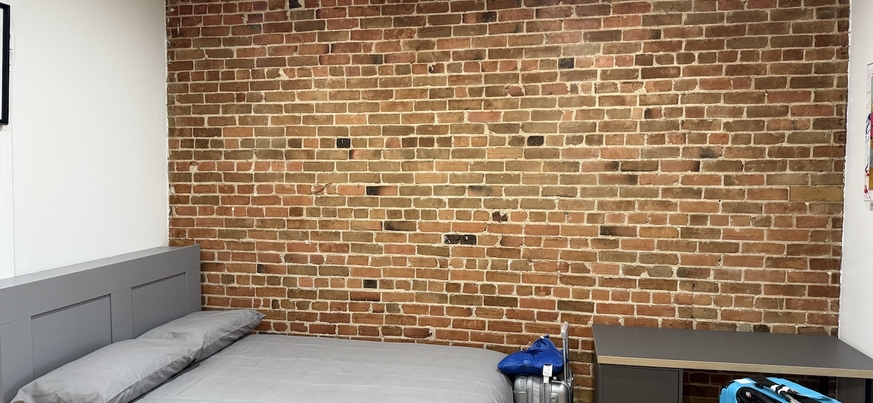
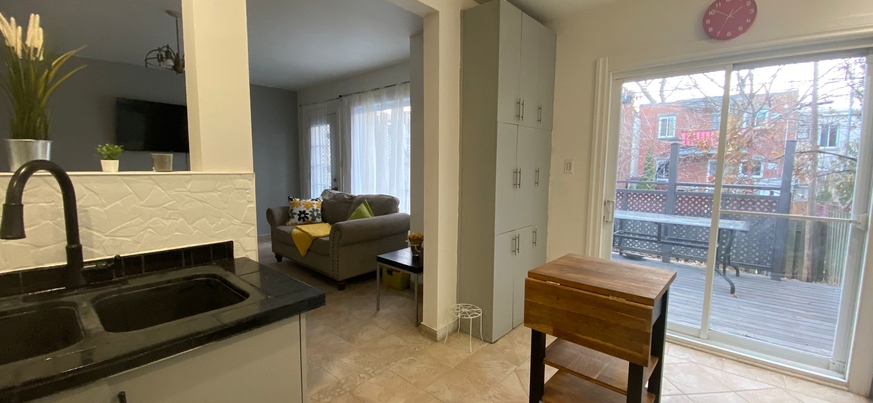
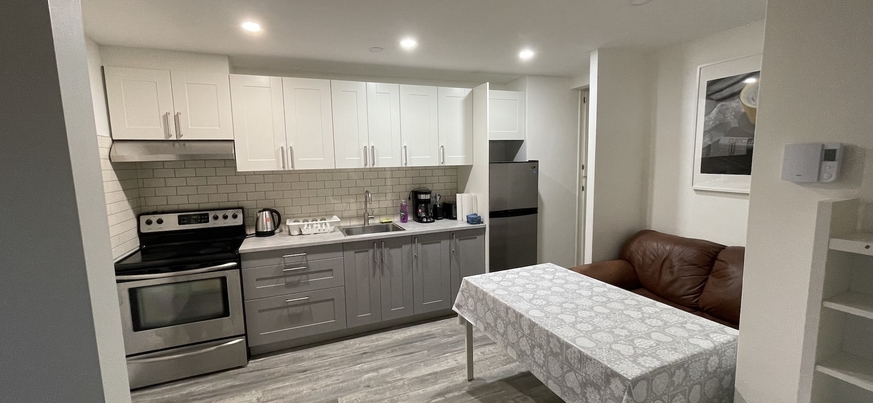
For owners who want their apartment consistently occupied by stable, verified tenants without dealing with check-ins, maintenance calls, and the administrative side of holding rental property, Montreal Aparthotel is worth a serious look. They've been operating in the furnished medium-term rental niche for over 10 years, work directly with property owners across the city, personally inspect every unit before listing, and have 7-day-a-week support from real people — not a call centre. Most of the apartments in their portfolio are units the company itself owns, which means they approach property management from an owner's perspective: they know exactly what's at stake.

How to Get Started: A Practical First Step
The process is simpler than most owners expect. Here's how it typically unfolds.
You contact a management company and describe your unit: location, size, current condition, whether it's already furnished. They assess the rental yield potential — what it can realistically command as a monthly rental in the current market — and explain their fee structure in writing. A physical inspection follows. If your apartment needs furnishing or minor updates to be competitive, a good operator will tell you exactly what's needed and give you an honest cost estimate.
Once listed, the company handles everything: tenant screening, lease, keys, ongoing maintenance, rent collection. Your job is to review the monthly statement and watch your passive income accumulate.
Final thoughts: if you're sitting on an empty unit — or one that's generating friction every month — the first step is simply to find out what it could earn. The benefits of getting this right are real: stable rental income, minimal effort, and a real estate asset that builds value rather than sitting idle. Consult a tax advisor on the financial structure if needed — and then get the property working.
If you're ready to stop leaving rental income on the table, Montreal Aparthotel works with property owners across the city — furnished, managed, and filled with the kind of tenants who stay for months, not nights.
Add new comment