
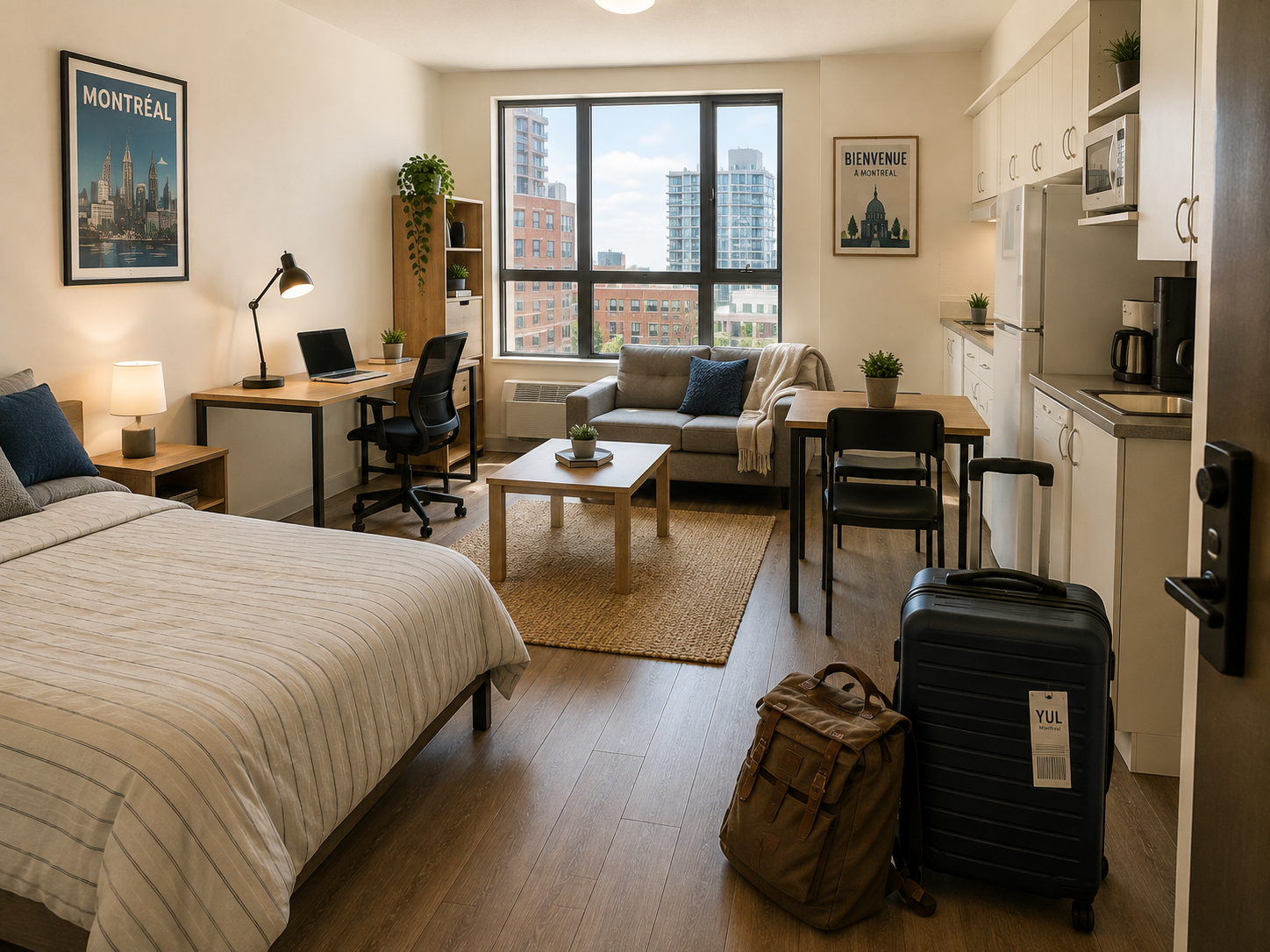
Renting an apartment in Montreal before you arrive is possible. People do it every year: newcomers, international students, workers relocating for a job, families moving to Canada, and people who need a place for a short period before choosing a long-term home.
But renting from abroad is not the same as renting after you land. You cannot easily visit the rental unit, check the neighbouring units, meet the landlord, test the commute, or see how much natural light the apartment really gets. You also have to send documents and sometimes money before you are in the city.
This article is for anyone asking: can you rent an apartment in Montreal from abroad before you arrive? The answer is yes, but the process needs more caution, better documents, and a backup plan.
Quick Answer: Can You Rent an Apartment From Abroad?
Yes, you can rent an apartment in Montreal from abroad. Many landlords, property managers, rental agencies, and furnished housing providers can handle part of the rental process online.
Most landlords will want some proof that you can pay rent. They may ask for proof of income, an employment letter, bank statements, references from previous landlords, a credit check if available, and basic identity documents. For international tenants, a landlord may also want to understand your arrival date, job or school plan, and length of stay.
The safest option for many newcomers is not always a long-term lease right away. A furnished apartment for one to three months can be a better first step while you learn the city, open a Canadian bank account, visit different properties in person, and understand the local rental market.
Steps to Renting an Apartment From Abroad
Start with a clear plan.
A practical timeline:
-
8 to 12 weeks before arrival: research neighbourhoods, average costs, public transit, school or work location.
-
6 to 8 weeks before arrival: search listings on reputable platforms and contact landlords or property managers.
-
4 to 6 weeks before arrival: request video tours, prepare documents, compare rental properties.
-
2 to 4 weeks before arrival: review the lease agreement or rental agreement, confirm payment terms, and arrange key pickup.
-
Arrival week: inspect the apartment, take photos, confirm internet, utilities, appliances, and anything promised in the listing.
If the remote deal falls through, have a backup. Book a hotel, furnished room, or short-term furnished apartment for the first week or month. It is better to pay for temporary housing than to rush into a bad lease from another country.
Preparing Without Canadian Credit History
Many newcomers do not have Canadian credit history yet. That does not mean they cannot rent. It means they need to prove reliability another way.
Prepare:
-
recent bank statements;
-
proof of savings;
-
employment letter;
-
job offer;
-
school enrolment;
-
relocation letter;
-
references from previous landlords;
-
employer reference;
-
proof of income from your home country;
-
guarantor or family member support, if available.
Be careful with the idea of paying several months rent upfront. In many online guides, people suggest offering several months’ rent upfront to secure an apartment. That advice does not fit Québec well. For a standard Québec residential lease, a landlord cannot require more than the first payment period in advance, which is usually one month’s rent, and cannot require extra sums such as a security deposit or key deposit.
So yes, prepare a stronger file. But do not offer illegal deposits or months rent upfront just because you are worried.
Credit History, References, and Building Canadian Credit
If you have a foreign credit report, you can include it, especially if it shows a clean payment history. It may not replace Canadian credit, but it can help explain your financial background.
Ask for written references before you move:
-
previous landlord reference;
-
employer reference;
-
bank letter;
-
university or school confirmation;
-
relocation letter from an employer.
Once you arrive, start building Canadian credit. Open a Canadian bank account, pay bills on time, and consider a secured credit card if you have no credit file yet. This will help future applications if you decide to move from temporary housing into a long-term lease.
Documents Landlords Typically Request
Prepare the necessary documents before you contact listings. A clean application makes you look organized and serious.
You may need:
-
passport or government ID;
-
work permit, study permit, PR card, or visa document if relevant;
-
employment letter;
-
proof of income;
-
bank statements;
-
proof of savings;
-
school enrolment letter;
-
previous landlord references;
-
credit report, if available;
-
guarantor information, if needed;
-
expected arrival date;
-
number of tenants;
-
pet information, if relevant.
If your documents are in another language, translate the key ones into English or French. They do not always need to be certified translations for a first conversation, but the landlord must be able to understand them.
How To Send Money and Pay Rent From Abroad
If you need to send money, use a traceable payment method. Avoid cash, gift cards, cryptocurrency, or wire transfers to a person who has not been verified.
International transfers can include fees from your bank, intermediary banks, currency exchange margins, and receiving-bank charges. Ask the landlord or property manager exactly when the payment must arrive and what name should appear on the receipt.
Never send money before you understand what you are paying for. A real rental should have clear written terms, the address, the rental unit details, the amount of rent, what is included, and who receives the payment.
The SPVM warns that rental fraud can involve fake listings for apartments that the scammer does not own or that do not exist. One common story is a supposed owner who is abroad and asks for a deposit by transfer.
Searching Tools: Online Portals, Facebook Groups, and Agents
Use more than one search channel.
You can check:
-
reputable rental platforms;
-
Kijiji;
-
Centris;
-
university housing pages;
-
relocation housing contacts;
-
furnished apartment platforms;
-
Facebook groups;
-
licensed real estate agent or rental agency contacts.
Facebook groups can be useful, but they need caution. Look at the person posting. Check profile age, past posts, comments, and whether the same listing appears with different prices. If a listing looks too cheap for downtown Montreal or near McGill University, slow down.
A simple first message:
“Hello, I am moving to Montreal on [date] and looking for an apartment from [date] to [date]. My budget is [amount]. Could you confirm if the unit is available, what is included in the rent, and whether a live video tour is possible?”
A real estate agent can help if you are short on time, relocating for work, or trying to compare different properties from abroad. Use them selectively and confirm any fee before you proceed.
Avoid Rental Scams and How To Verify Listings
Renting an apartment from abroad requires extra caution.
Red flags:
-
rent far below market;
-
pressure to pay fast;
-
no video tour;
-
landlord refuses written terms;
-
photos look copied;
-
address is vague;
-
the person cannot prove they manage the property;
-
payment must be wired urgently;
-
listing appears under different names;
-
the landlord says they are abroad and cannot show the unit;
-
request for a security deposit before proper verification.
Verification steps:
-
search the address online;
-
compare photos with the building;
-
ask for a live video walkthrough;
-
ask to see the exact rental unit;
-
confirm the landlord or property manager identity;
-
check past listing history if possible;
-
ask for written lease terms;
-
use traceable payments;
-
keep receipts.
Do not rely only on photos. Scammers can copy photos from real listings. The RCMP advises renters to go to the address when possible and confirm that the listing is truthful and accurate. If you cannot go yourself, ask a friend, family member, colleague, or local contact to check it.
Virtual Tour Checklist
During a live video tour, ask the landlord to show:
-
building entrance;
-
apartment door;
-
windows and view;
-
kitchen;
-
bathroom;
-
appliances;
-
closets;
-
heating;
-
water pressure;
-
signs of water stains;
-
visible damage;
-
laundry area;
-
bike storage, if listed;
-
common areas;
-
street outside.
Ask them to say the date during the tour. You can ask to record the walkthrough or take screenshots, but get permission first.
Virtual Signing, Lease Review, and Remote Paperwork
Remote signing is possible, but read everything before you sign a lease.
In Québec, the standard lease form from the Tribunal administratif du logement must be used for a new residential lease, whether it is for a room, apartment, condo, house, or other dwelling.
Check:
-
landlord name;
-
tenant name;
-
address;
-
lease dates;
-
monthly rent;
-
payment method;
-
services included;
-
heating and electricity;
-
appliances;
-
furniture;
-
parking;
-
storage;
-
building rules;
-
rent from the previous 12 months, where required;
-
signatures.
If you are unsure, get help before signing. Ask a university housing office, newcomer support group, legal clinic, or professional who understands Québec rental laws.
Where To Look: Downtown Montreal and Other Neighbourhoods
Downtown Montreal is convenient, especially if you study near McGill University, Concordia, or work in the city centre. You get easy access to public transit, services, cafés, offices, and many furnished apartments.
The downside is cost. Downtown units can be smaller, more expensive, and more competitive.
Other areas to compare:
-
Notre-Dame-de-Grâce;
-
Côte-des-Neiges;
-
Plateau-Mont-Royal;
-
Mile End;
-
Verdun;
-
Rosemont;
-
Villeray;
-
Hochelaga-Maisonneuve;
-
Griffintown;
-
Outremont.
Montreal has diverse neighborhoods. Do not choose only by price. Look at commute, groceries, safety, noise, public transit, winter access, and whether the apartment fits your daily life.
CMHC rental data shows that rents vary by area and apartment size. For example, its Montréal rental tables show different average rents for studios, one-bedroom, and two-bedroom apartments by zone, including areas such as NDG/Côte-Saint-Luc and Plateau-Mont-Royal.
Also learn local apartment language. A 3½ usually means three rooms plus a bathroom: often one bedroom, a living room, a kitchen, and a bathroom.
Quebec Lease Rules, Rent Increases, and Tenant Rights
Housing in Québec is governed by the Tribunal administratif du logement.
Québec leases do not all “have to” start on July 1, but many do. July 1 is a major moving period because many leases end June 30. If you arrive in summer, expect more pressure and plan earlier.
Rent increases are not random. The landlord must usually wait for lease renewal and send a notice of rent increase or other lease modification within the legal time limits. Québec’s official information says the owner must wait for renewal to send the notice and respect the deadlines and formalities provided by law.
For deposits, the rule is clear. For standard residential leases in Québec, landlords cannot require a security deposit, key deposit, damage deposit, last month’s rent, or extra charges. The landlord may ask for the first month’s rent, but not first and last months like in some provinces.
After Arrival: Set Up Accounts and Build Canadian Credit
Once you arrive, open a Canadian bank account as soon as possible. It makes rent payments easier and helps with future applications.
Then start building Canadian credit:
-
apply for a secured credit card if needed;
-
pay bills on time;
-
keep proof of rent payments;
-
avoid too many credit applications at once;
-
check your credit file later.
If utilities are in your name, pay them on time. Even if they do not always build credit directly, they help show responsible payment habits.
Moving Logistics and Practical Arrival Steps
Even if you rent from abroad, try to schedule an in-person inspection after arrival.
Check:
-
keys;
-
appliances;
-
furniture;
-
internet;
-
heating;
-
bathroom;
-
windows;
-
locks;
-
neighbouring units;
-
building rules;
-
garbage and recycling;
-
bike storage;
-
parking, if included.
Take photos before unpacking. If something is missing or broken, notify the landlord in writing right away.
If the remote rental is only temporary, use the first weeks to visit long-term apartments in person. That is often safer than choosing a one-year lease blindly from another country.
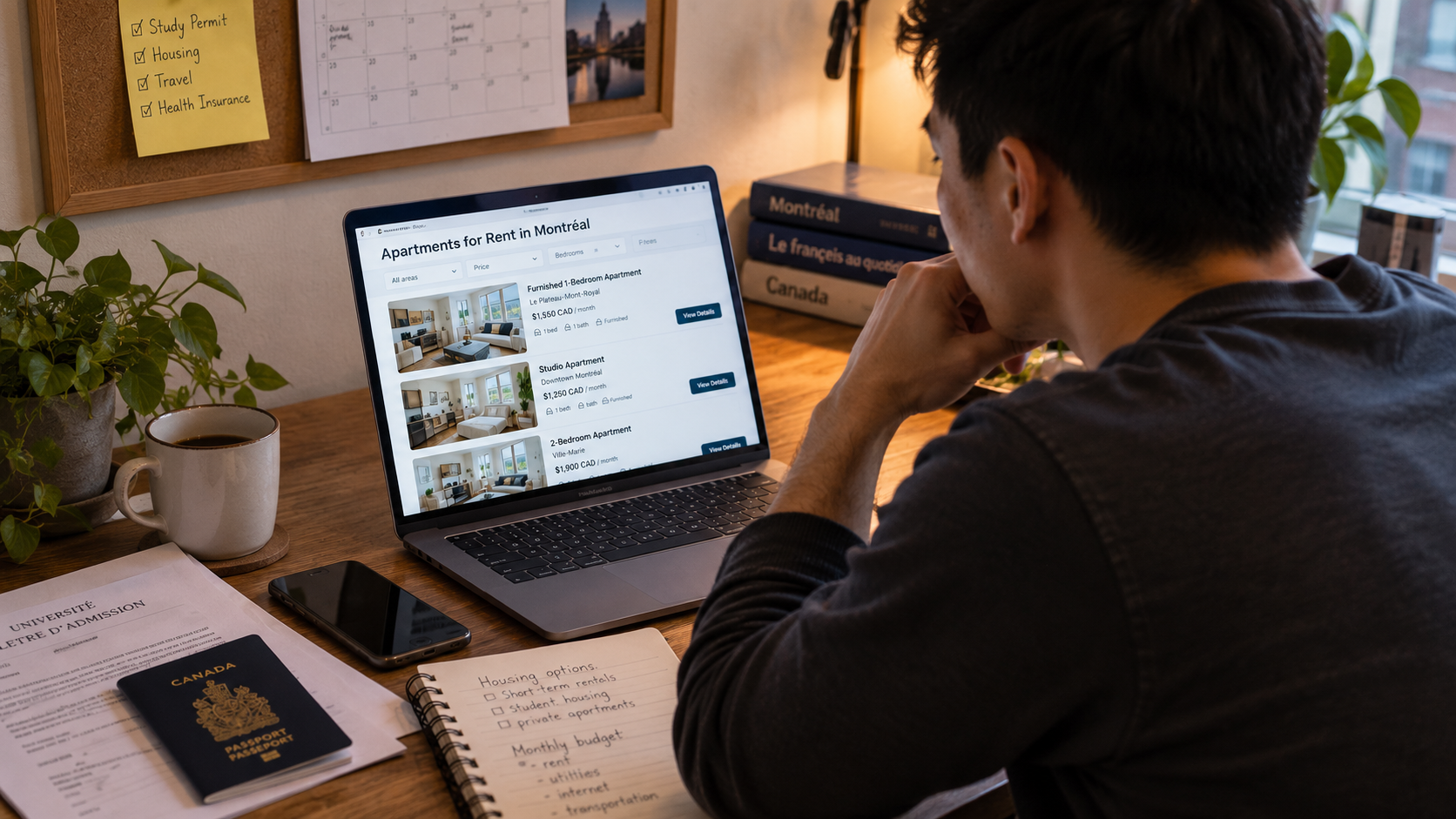
How Montreal-Aparthotel Can Help
Montreal-Aparthotel helps people find furnished apartments and short- or mid-term stays in Montréal.
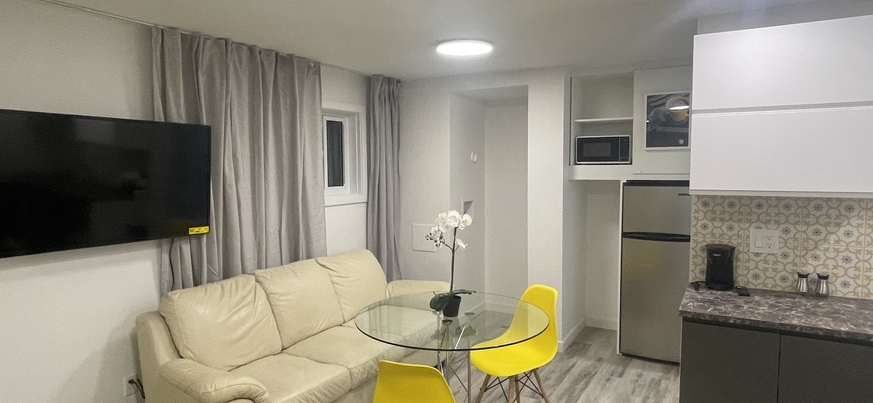
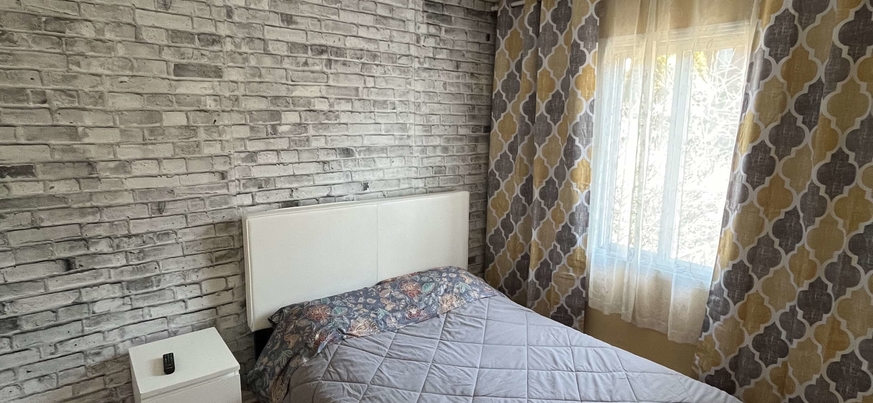
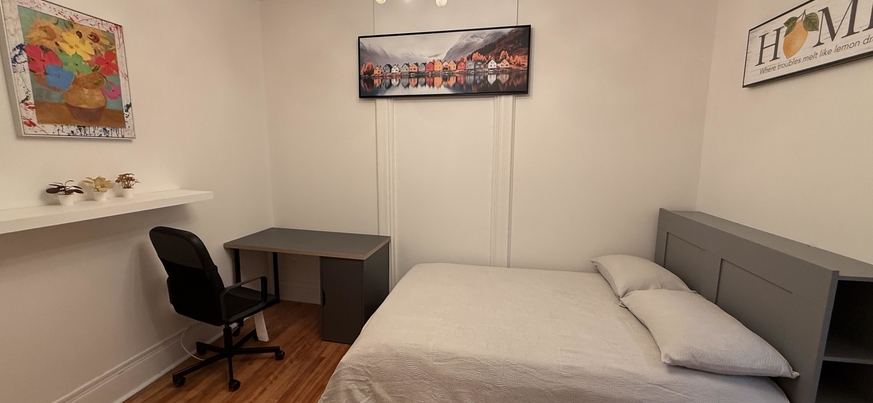
If you are arriving from abroad, a furnished apartment can give you a practical first base. You can land in the city, sleep in a real apartment, cook, work, open accounts, learn neighbourhoods, and decide later whether you want a long-term lease.
This is useful for newcomers, international students, relocating workers, families, and anyone who does not want to buy furniture immediately after arrival.
For owners, Montreal-Aparthotel helps list furnished apartments for people already searching for short- or mid-term housing in the city.
Conclusion
You can rent an apartment in Montreal from abroad before you arrive. But you should not rush.
The safest approach is to prepare documents, verify the listing, ask for a live video tour, understand Québec deposit rules, use traceable payments, and avoid deals that feel too cheap or too urgent.
For many people, the best first step is not a permanent lease. It is temporary furnished housing for a short period while you get settled. Once you are in Montreal, you can compare neighbourhoods, visit apartments, build Canadian credit, and sign a longer lease with more confidence.
FAQs
Can you rent an apartment in Montreal from abroad before you arrive?
Yes. It is possible, especially through furnished rental providers, property managers, rental agencies, and verified platforms. You still need to verify the listing and understand the terms before paying.
Is it safe to rent an apartment from abroad?
It can be safe if the listing is verified, the lease agreement is clear, and the payment method is traceable. It is risky if the landlord pressures you, avoids a video tour, or asks for unusual payments.
Can a landlord ask for a security deposit in Québec?
For a standard residential lease, generally no. Québec landlords cannot require a security deposit, key deposit, damage deposit, or last month’s rent. They can ask for the first month’s rent.
Should I pay several months rent upfront?
Be careful. In Québec, a landlord cannot require more than the first payment period in advance for a standard residential lease. Do not offer months rent upfront without checking the rules.
What documents do I need to rent from abroad?
Prepare ID, proof of income, employment letter, bank statements, proof of savings, school enrolment if relevant, references from previous landlords, and credit history if available.
What if I have no Canadian credit history?
Use alternative proof: bank statements, employment documents, savings, foreign references, school documents, or a guarantor if needed.
Should I rent furnished before signing a long-term lease?
For many newcomers, yes. A furnished apartment for a short period can give you time to learn the city before committing to a long-term rental.
How do I avoid rental scams?
Verify the address, request a live video tour, check the landlord’s identity, compare prices, avoid pressure payments, use reputable platforms, and never send money before verification.
Is downtown Montreal a good place to start?
Downtown Montreal is convenient for public transit, schools, work, and services. It can also be more expensive and competitive than other neighbourhoods.
What is a 3½ apartment in Montreal?
A 3½ usually means three rooms plus a bathroom. In many cases, that means one bedroom, a living room, a kitchen, and a bathroom.
Add new comment