
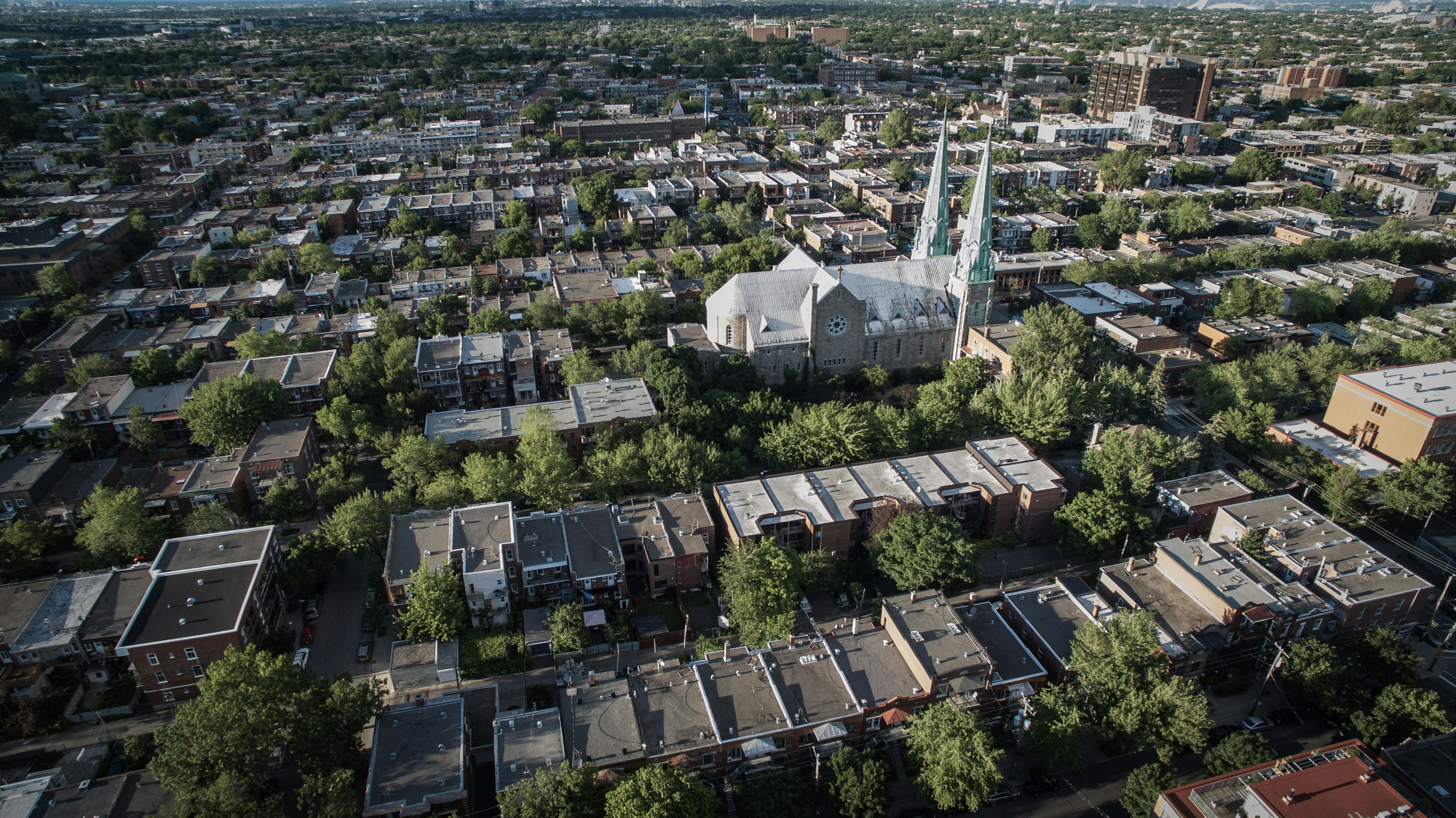
According to a survey by UTILE, 77% of university students in Quebec rent their accommodation — and 69% of those are in the private market. That means most students arriving in Montreal aren't moving into a residence hall. They're figuring out the rental market on their own, in a city they may not know well, on a budget that doesn't leave much room for mistakes.
The best neighborhoods in Montreal for students are not the same for everyone. The right one depends on which university you attend, how much you can spend, and whether you'd rather be in the middle of everything or somewhere quieter where you can actually study. Here's what each area actually looks like.
Quartier Latin and the Village: Closest to UQAM, Most Social
If you're attending UQAM (Université du Québec à Montréal), you don't need to look far. The Quartier Latin, centered around Saint-Denis Street and easily reached from Berri-UQAM metro station, is one of the most historically student-oriented areas in the city. The street is lined with cafés, bookshops, cheap restaurants, and bars — the kind of neighbourhood that genuinely functions around the student schedule.
Rents here are moderate by downtown standards. A studio or one-bedroom in the Quartier Latin typically runs between $1,200 and $1,600 per month unfurnished. The Village, just east of Saint-Denis, offers similar pricing with a vibrant social scene and strong LGBTQ+ presence — it's one of the most inclusive and welcoming student neighborhoods in Montreal for anyone who values that.
The metro access is exceptional. The orange and green lines intersect at Berri-UQAM, which means you can reach almost any part of the city in under 30 minutes.
Milton-Parc and the McGill Ghetto: Best Location for McGill and Concordia Students
The area directly south of McGill University — informally called the McGill Ghetto — is predictably popular, which means predictably expensive. A one-bedroom apartment near downtown Montreal in this zone will run $1,668 or more per month, according to 2025 rental data from Centris. That's toward the top of what most students can comfortably manage.
Milton-Parc, just to the north, is slightly more manageable and walks the line between the campus bubble and real neighbourhood life. From here you're fifteen minutes from Place des Arts, a short walk from Plateau-Mont-Royal, and close to Guy-Concordia metro station for Concordia University students. It's one of the most central places a student can live in the city without paying pure downtown prices.
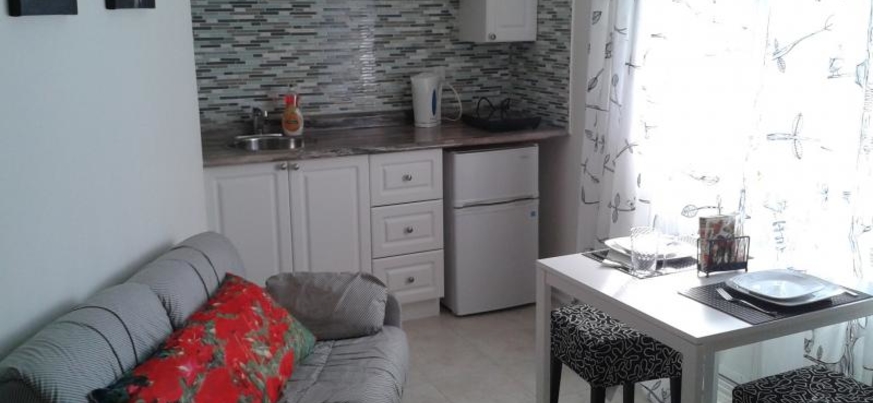
Worth knowing: competition for apartments in this area gets fierce in late winter, as students scramble for September leases. If you're looking for a furnished rental or a month-to-month option while you find your footing — a furnished studio near the metro is often the most stress-free way to land.
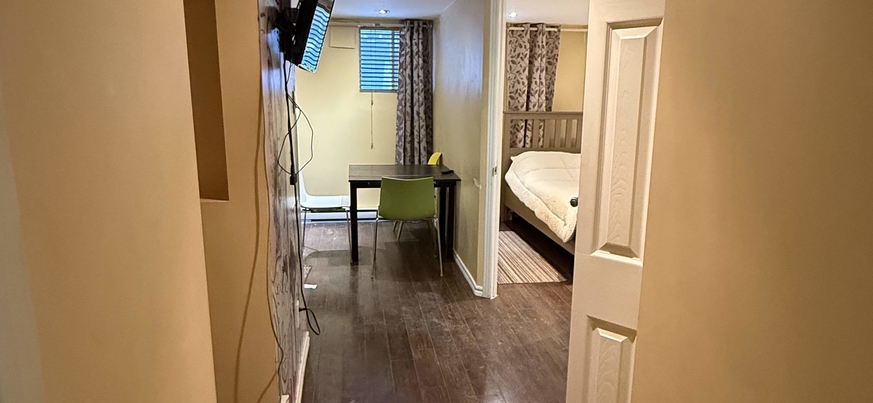
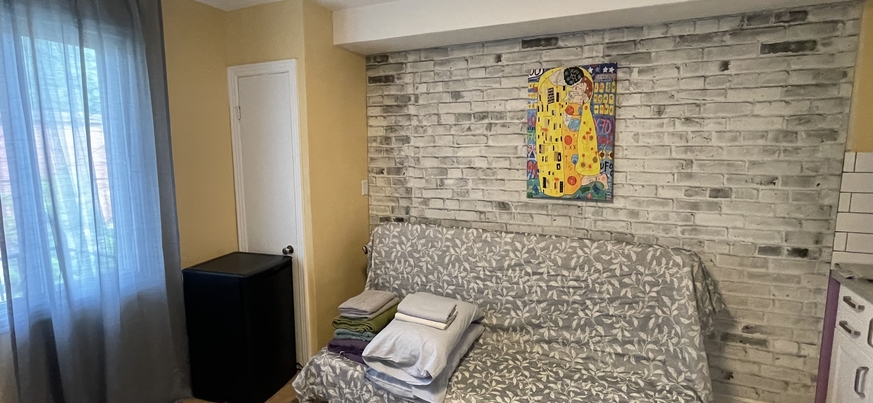
For people arriving from abroad who need a temporary furnished unit before signing a longer lease, Montreal Aparthotel offers fully furnished apartments and studios near the metro, by the month, with no long-term commitment. Reach them at +1 438-838-8833 or info@montreal-aparthotel.com.
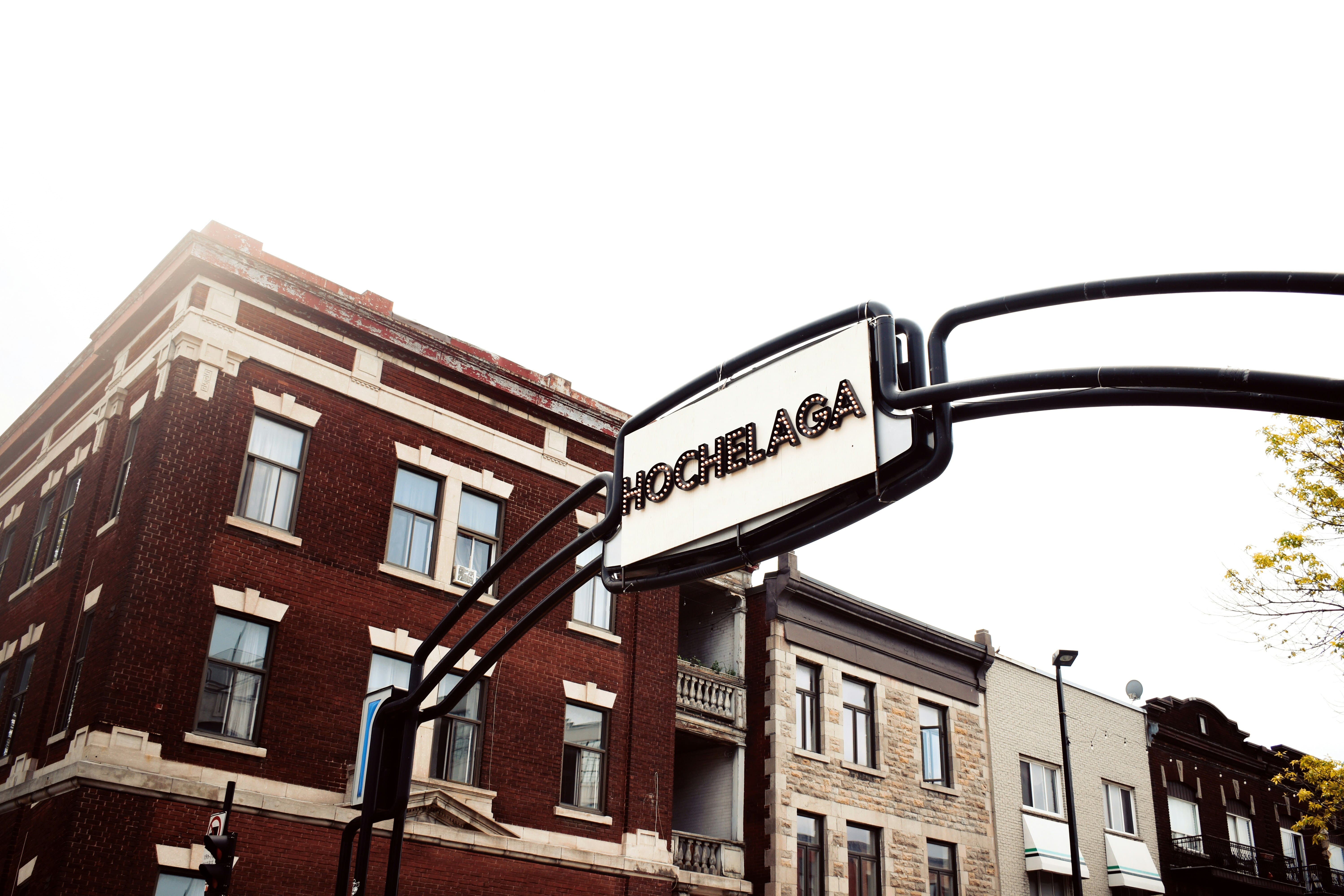
Plateau-Mont-Royal: Best Atmosphere, Not the Cheapest
Plateau-Mont-Royal is the neighbourhood that makes people fall in love with Montreal. Iron staircases, murals on every corner, independent coffee shops, vinyl stores, parks full of people on weekends. It's where McGill and UQAM students tend to migrate once they've spent a year in student housing and want something that feels more like actually living in the city.
The Plateau is connected to Sherbrooke metro station and is walkable to both the McGill and UQAM campuses. Rents are not cheap — a one-bedroom runs $1,566 to $1,900+ per month in 2025 and 2026, according to data from Vistoo's rental market report. But if you're splitting with a roommate, it becomes much more manageable, and the quality of life is genuinely hard to beat.
The honest catch: older buildings in the Plateau have poor insulation, which means heating bills can add $100–$200 per month in winter. If you're comparing listings, check whether heating is included before you commit.
Côte-des-Neiges: Most Affordable Near a Major Campus
Côte-des-Neiges is home to Université de Montréal and is directly connected by the blue metro line. It's one of the most ethnically diverse neighbourhoods in the city — multicultural, practical, and significantly more affordable than the Plateau or downtown.
Average one-bedroom rents in Côte-des-Neiges–Notre-Dame-de-Grâce are among the lowest in the city for central areas, averaging around $1,497 per month for an unfurnished unit. You'll find a 24-hour pharmacy and grocery store within walking distance, and the neighbourhood runs entirely around the kind of day-to-day life that students actually need.
For anyone attending Université de Montréal, HEC Montréal, or the École Polytechnique, this area eliminates the commute entirely. It's not flashy, but it's functional and affordable in a way that holds up over the length of a degree.
What Student Living in Montreal Actually Costs
Budget is the real question behind the neighbourhood search. For student living in Montreal, a realistic monthly estimate for someone renting alone looks something like this: rent ($1,200–$1,600), groceries ($300–$400), the discounted STM student transit pass (~$60/month), internet and phone ($80–$120), and some spending money. That puts the realistic monthly total between $1,800 and $2,300 CAD — before any entertainment or travel.
Shared housing brings that number down significantly. Many students in Rosemont, NDG, or Hochelaga-Maisonneuve split a two-bedroom for $700–$900 each per month, which opens up the budget considerably.
One last thing to know: Quebec's rental market traditionally turns over on July 1st — the city's famous moving day. If you're arriving mid-year or from outside the province, unfurnished apartments can be hard to find on short notice. A furnished monthly rental buys you time to look properly, without having to rush into a lease on a place you haven't fully vetted.
Add new comment