
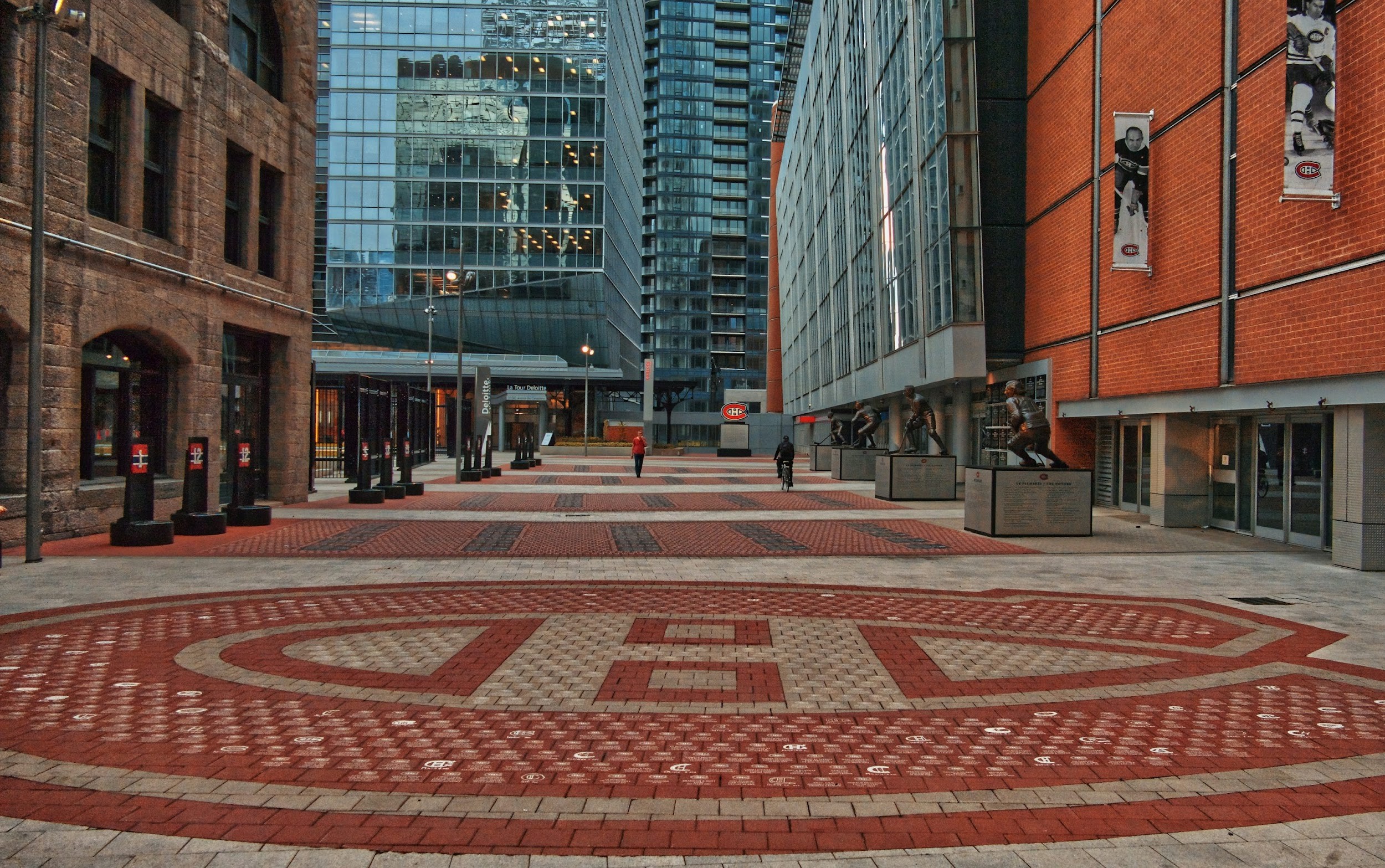
If you’ve spent even one night in downtown Montreal during hockey season, you’ve heard it echo through the streets, the metro, and every packed pub near the rink: “Go Habs Go.” Visitors ask the same thing again and again—why is montreal called the habs, why are they called the Habs, and what does Habs mean?
The short answer: Habs is tied to les habitants, a historic term linked to French settlers in New France. The longer answer is where people get tripped up—because the Canadiens logo has an “H” in the middle, and a lot of folks assume the logo stood for “Habitants.” It doesn’t.
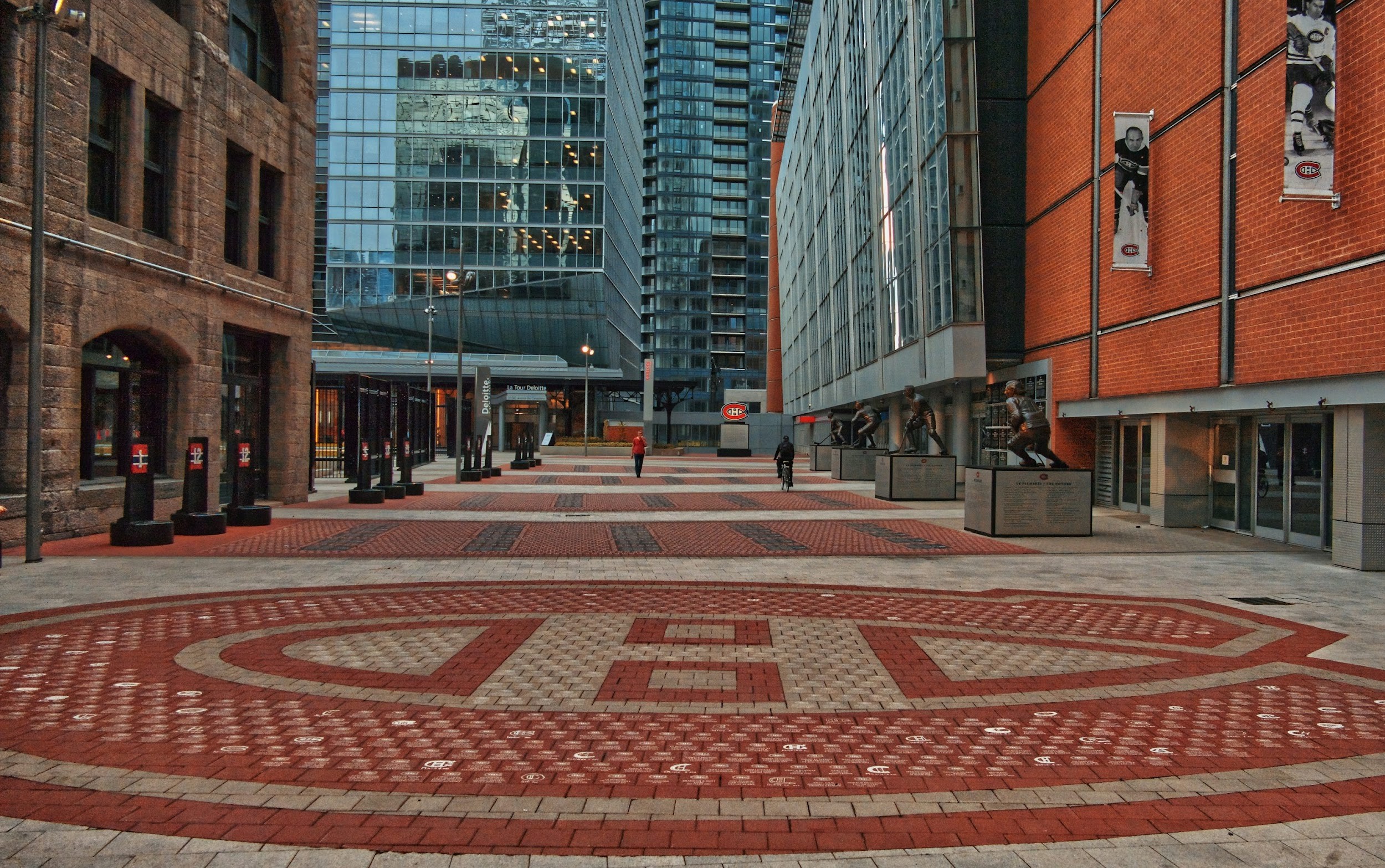
Quick Answer — What Does “Habs” Mean?
What does Habs mean? In everyday Montreal talk, habs is the nickname for the Montreal Canadiens. It traces back to les habitants, a term associated with the French-speaking population in early Quebec. That’s the simplest way to describe the origin of Habs nickname.
And yes—Go Habs Go meaning is exactly what it sounds like: “Go, Habs, go.” It’s not complicated. It’s a chant, a habit, and on game nights, it’s basically the city’s soundtrack.
Montreal Canadiens Overview
The Montreal Canadiens are a professional ice hockey team founded in 1909. Their roots go back to the National Hockey Association, where they were a charter member—and later they became a National Hockey League team when the national hockey league (NHL) formed in 1917.
They’re also part of the NHL’s Original Six and one of the most storied names in nhl history. The Canadiens franchise has won the Stanley Cup 24 times and reached the Stanley Cup Final more than any other club. For a lot of Canadians, they aren’t just “a team”—they’re the team.
In French, you’ll see les canadiens or canadiens de montréal, and in English you’ll hear “the Canadiens.” In Montreal, you’ll hear habs most of all.
Why Canadiens Are Called the Habs
“Habs” comes from “habitants”
So, why are they called the Habs? Because “Habs” is widely understood as a shortened form linked to les habitants—a historic label tied to French settlers and French-Canadian identity. Early Montreal hockey was wrapped up in language and culture. The Canadiens were promoted as the francophone club in a city that also had an English-speaking hockey scene.
Back then, professional hockey was still becoming “big business.” The Canadiens were built around francophone ownership and francophone players, marketed as Montreal’s French-Canadian team. That’s a major part of why the nickname took hold and why the word still matters here.
Early-20th-century usage
The nickname “Habitants” shows up in early 20th-century Montreal coverage and conversation. It fit the moment: the Canadiens were the club tied most clearly to French speakers, while another Montreal club of the era—the Montreal Wanderers—often gets mentioned as the “other team” in the city’s early rivalry story.
The Tex Rickard anecdote (and why people repeat it)
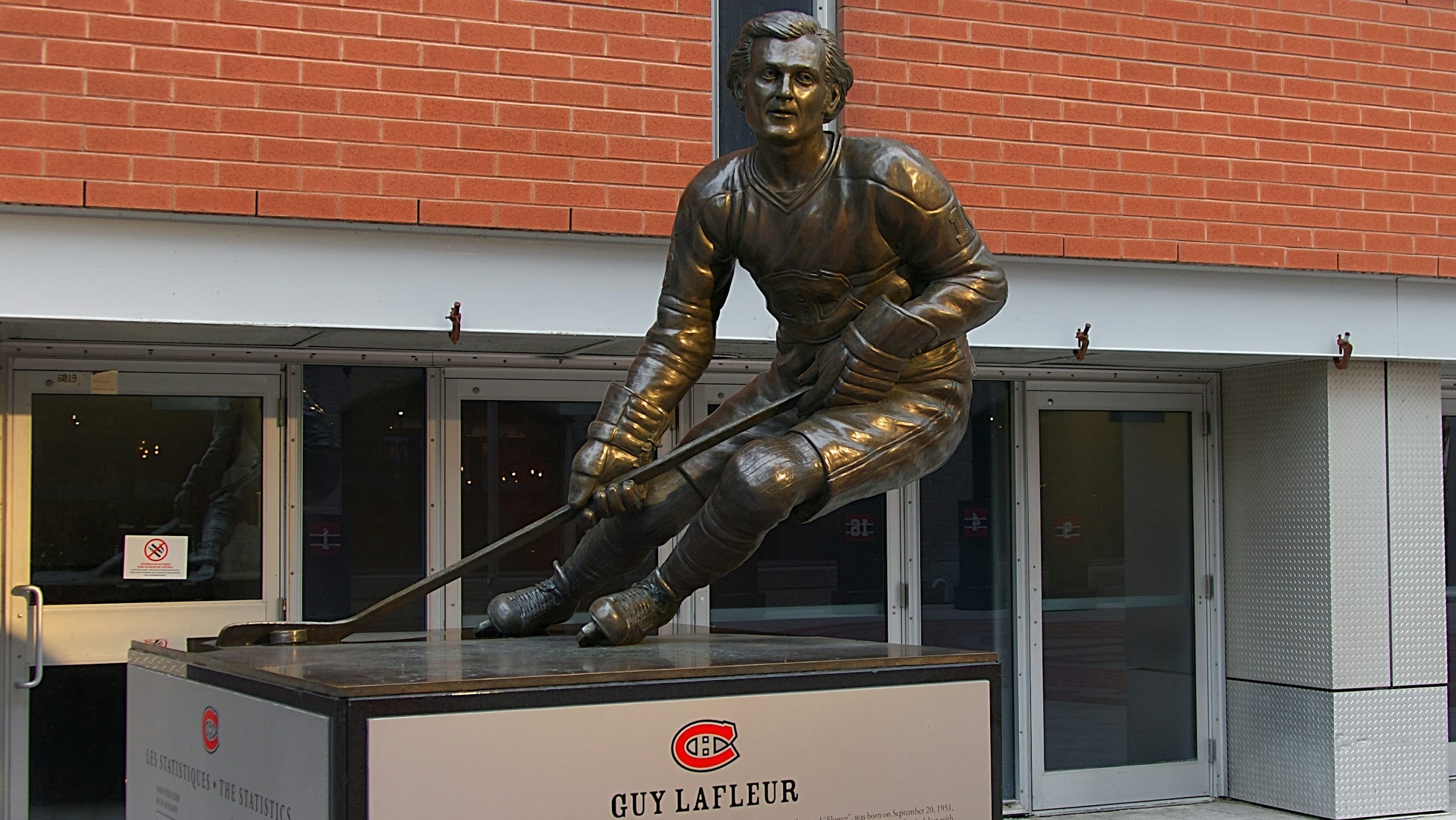
Here’s where the confusion spikes. There’s a long-running story that Tex Rickard—connected to Madison Square Garden and sometimes described as an owner of madison square interests—apparently told a reporter that the “H” in the Canadiens crest stood for “Habitants.” You’ll see versions like “rickard apparently told” or “apparently told a reporter” and even “reporter that the h meant habitants.”
Whether Rickard was first or simply repeating something already floating around, the story helped spread the idea in English.
The important correction: the “H” stands for hockey
Now the clean fact: the “H” in the crest stands for hockey, as in Club de Hockey Canadien (often written as club de hockey canadien). The logo is tied to the team's official French name—club de hockey—not to the nickname.
So if you’re wondering why is montreal called the habs but the “H” is in the logo, the answer is: two separate threads got tangled together. The nickname came from culture and language. The logo came from the club’s formal name.
The Big Myth — Does the “H” in the Canadiens Logo Stand for Habitants?
Myth vs Fact
Myth: The “H” in the Canadiens logo stands for “Habs” or “Habitants.”
Fact: The “H” stands for hockey—from Club de Hockey Canadien. The nickname and the logo are connected only because people connected them later.
Logo and Name Evolution
The Canadiens’ early identity is part history lesson, part fashion show. If you’ve ever seen throwback sweaters, you’ve seen how many times the look changed before the modern crest became standard.
From CAC to CHC
In the earliest years, you’ll run into references to Club Athletique Canadien and club athlétique canadien, shortened as CAC (sometimes printed as club athletique canadien without the accent). That’s why you still see vintage designs with CAC or a variation of a c logo.
As the club identity tightened, Club de Hockey Canadien became the name people point to when explaining the modern “CH” look—sometimes written as CHC in explanations of the crest.
Early jersey designs (quick, chronological)
-
First season (1909): a blue sweater with a white C logo—simple, practical.
-
Second season: the club experimented with bolder looks. Historic summaries often mention red sweaters and unusual details like green pants, because early hockey uniforms were not standardized the way they are today.
-
Some versions used a white maple leaf, and collectors still talk about designs described as a white maple leaf reading “CAC.”
-
Later came the famous striped look, the barber pole sweater—one of the most recognizable retro styles the Canadiens wore. You’ll also see descriptions of blue stripes in these patterns.
-
Over time, the now-classic “C” wrapping the “H” took over as the club’s signature.
When the modern CH look arrived
The current identity is tied to the formal name Club de Hockey Canadien, which is why the “H” means hockey. Once that crest became the norm, the misunderstanding grew—because people saw “H” and thought it matched the nickname they already heard.
Cultural Impact and Identity
In Montreal, “Habs” isn’t just a nickname. It’s a marker of place. It speaks to language, pride, and decades of community memory—families passing down game-night routines, kids wearing canadiens sweaters to school, and older fans calling the club le CH without needing to explain it.
You’ll also hear the Canadiens referred to by other French nicknames that carry the same cultural weight:
-
la sainte flanelle (often translated as holy flannel)
-
le bleu blanc rouge (or blue white red)
-
le tricolore
-
les glorieux
-
le grand club (literally “great club”)
Those names exist because this team sits at the centre of Montreal’s sporting identity, not just the standings.
Other Nicknames (quick list)
Beyond “Habs,” you’ll hear:
-
French: les canadiens, canadiens de montréal, le CH, le tricolore, le bleu blanc rouge, la sainte flanelle, les glorieux, le grand club
-
English: the Canadiens, the Habs, “the team,” and sometimes just “Montreal”
A Mini Timeline (Fast History in 60 Seconds)
-
1909: founded by Ambrose O’Brien (ambrose o'brien) in Montreal
-
Early years in the National Hockey Association as a charter member
-
1917: the NHL begins; Montreal becomes a central piece of early nhl history
-
The crest and name identity settle around Club de Hockey Canadien and the modern logo
-
Decades of success: 24 Stanley Cup wins, repeated Stanley Cup Final runs
-
2004: the Canadiens finally adopt an official mascot—Youppi!—who had been the longtime mascot of the Montreal Expos and then moved when the franchise became the Washington Nationals. That switch made Youppi! famous as the first mascot to jump major leagues, and people still call him the canadiens mascot today.
Visiting Montreal as a Hockey Fan (Local Guide)
This is the part that matters if you’re travelling.
Seeing a Canadiens game at Bell Centre
The Bell Centre sits in downtown Montreal, right in the city core—easy to reach by transit and surrounded by restaurants and hotels. You don’t need a street address to find the vibe: follow the jerseys.
A few practical notes:
-
Arrive early. The crowd builds fast, and security lines can stretch.
-
Expect big energy but generally solid organization—families attend, tourists attend, and locals treat it like a weekly ritual.
-
After the final horn, the streets and metro platforms fill quickly. Plan a calm route back.
Best areas to stay for game night
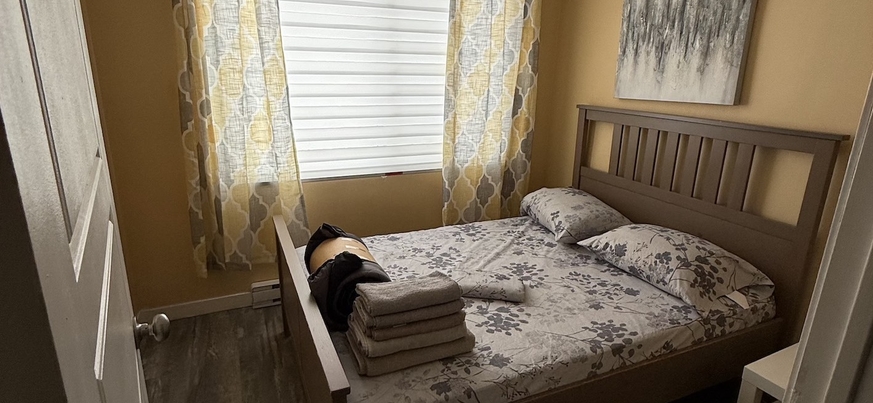
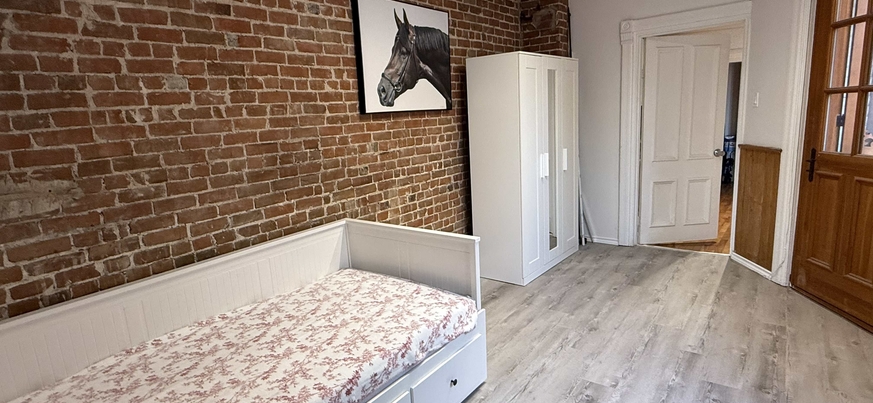
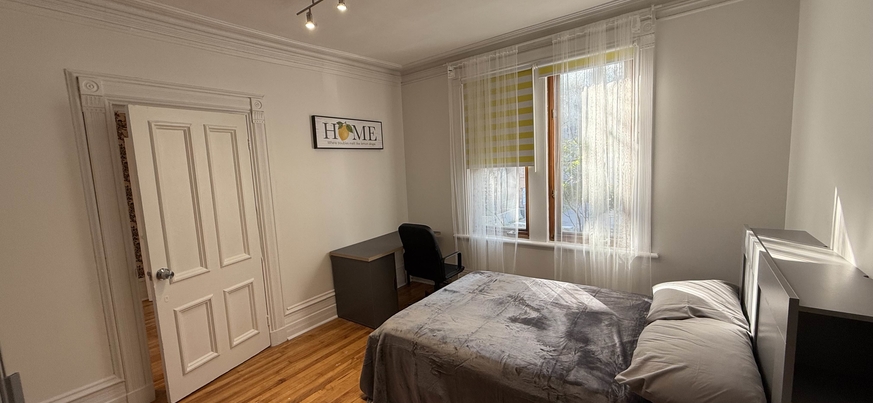
If your trip is built around a game, staying downtown makes everything easier—walkable routes, quick transit, and plenty of food options. For travellers who want flexibility, an aparthotel setup is especially handy: more space, a kitchen, and a better fit for families or longer stays.
If you’re planning a game night, consider staying in a downtown aparthotel to be close to Bell Centre and transit.
Pre-game & post-game ideas nearby
Before the game, people usually grab a bite or a drink in the downtown core—sports bars, casual pubs, and quick sit-down spots are everywhere. After the game, win or lose, the post-game flow becomes part of the experience: crowds spilling out, fans talking highlights, and street-level energy that feels uniquely Montreal.
If you want photos, the best moments are often:
-
30–60 minutes before puck drop when the crowd is arriving
-
right after the game when jerseys, flags, and emotion are everywhere
Final Thoughts
So, why is montreal called the habs? Because “Habs” grew out of les habitants and the Canadiens’ francophone roots. Why are they called the Habs? Because the nickname captured a cultural identity that stuck. And to close the loop: the “H” in the crest isn’t “Habs”—it’s hockey, tied to Club de Hockey Canadien.
If you’re coming to Montreal to see the Canadiens in person, learn the chant, wear the colours, and enjoy the city the way locals do—one game night at a time.
FAQ
Why are the Montreal Canadiens called the Habs?
Because “Habs” is tied to les habitants, a historic term linked to French settlers and French-Canadian identity in Quebec.
What does “Habs” stand for?
In everyday use, it stands for the Canadiens nickname connected to “Habitants,” not an official part of the club name.
Does the “H” in the Canadiens logo mean Habitants?
No. The “H” in the crest stands for hockey in Club de Hockey Canadien.
What does “CH” mean on the Canadiens jersey?
It refers to the club’s official French name: Club de Hockey Canadien.
Is “Habitants” a common word in Quebec today?
It’s mostly historical in everyday language, but “Habs” remains a common, friendly sports nickname.
What does “Go Habs Go” mean?
It means “Go, Habs, go”—a simple chant of support that’s become part of Montreal’s game-night culture.
Where is the Bell Centre and what’s the best area to stay?
It’s downtown Montreal. Staying downtown is the easiest choice for walkability, transit, and pre-game/post-game options.
Do players actually say “Habs”?
Fans and media say it constantly. Players may use it casually, but “Canadiens” is more common in formal interviews.
Add new comment