
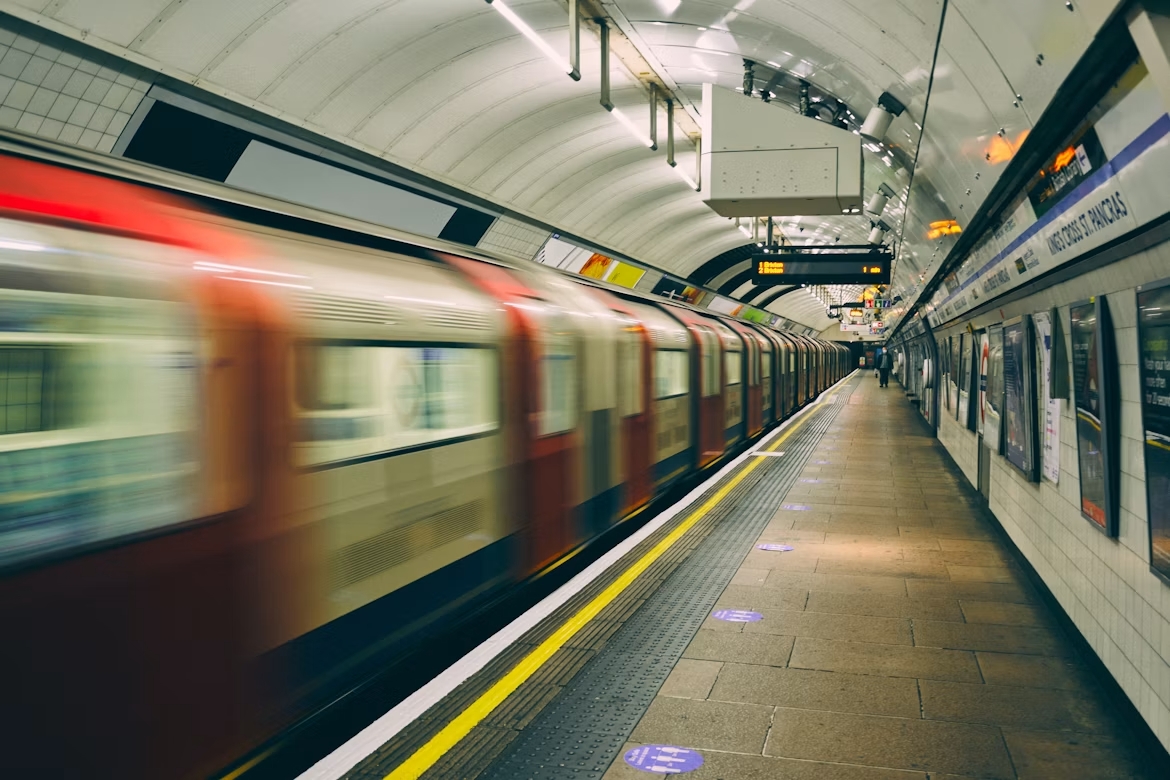
If you’re picking a place to live in a Canadian city like Montréal, the fastest way to make daily life easier is to choose the right metro stations first—then worry about the apartment. This guide is built for visitors, newcomers, students, and anyone planning a longer stay who wants montreal public transit by neighbourhood: Downtown/Old Montréal, Plateau, NDG, and Verdun (plus quick notes for Laval and the south shore).
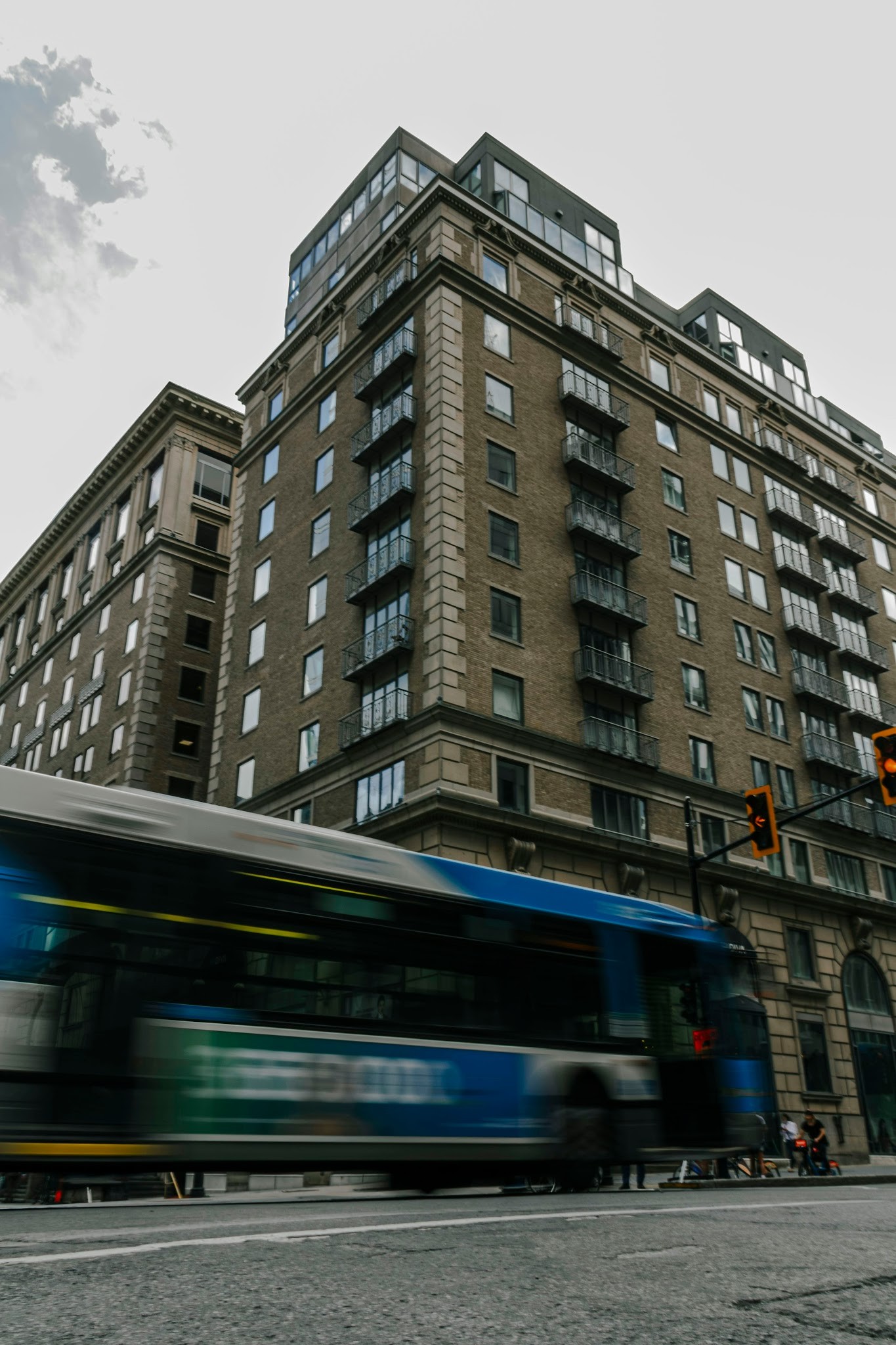
Overview of Public Transit in Montreal
Public transit in Montreal is an integrated matrix of the montreal metro, an extensive bus network, the REM (automated light rail), and commuter trains to the surrounding suburbs. The backbone is the STM network: four lines, 68 stations, and about 71 km of track across the island, with frequent service in peak hours.
Main modes you’ll actually use:
-
Metro system (STM): fastest for moving across central Montréal
-
Bus network (STM): fills the gaps, runs late, and covers neighbourhood streets
-
REM + commuter trains (regional): useful for Laval, South Shore, and some westbound trips
-
Seasonal ferries/river shuttles on the Lawrence River (summer add-on)
Fare basics (Zone A on the island is most common):
-
A single ride on STM (Metro or bus) is priced as a Zone A fare, and the ticket includes transfers within a time window.
Montreal Metro System Basics
The Montreal Metro is designed for fast “point A to point B” trips: you can transfer between lines without paying extra inside the system.
A few practical notes for daily use:
-
Metro service typically starts around early morning and runs late (later on weekends). Trains are frequent during rush periods, so you can usually just walk in and ride.
-
Not every station is fully accessible—check the STM map for elevator icons if accessibility is a key factor.
-
Winter matters: in the winter months, buses can be delayed by weather, so it’s smart to plan ahead and use real-time apps.
Neighbourhood Transit Profiles
Each neighbourhood section below follows the same template:
-
Best stations to live near (walking distance matters)
-
Bus corridors that make life easier
-
Evening plan for after the Metro winds down (night bus habits, safe routes, short walks)
Official maps/timetables:
-
STM Metro + buses (maps, alerts, schedules)
-
ARTM fare zones + fare rules (Montréal/Laval/South Shore)
Plateau-Mont-Royal Transit and Walkable City
The Plateau is one of the best “leave the car” neighbourhoods: cafés, groceries, parks, and daily errands are often a short walking loop.
Best metro stations to live near (Orange Line):
-
Sherbrooke
-
Mont-Royal
-
Laurier
-
Beaubien (edge access, depending on where you are in Plateau/Mile End)
Bus corridors that matter:
-
Routes running along Saint-Denis / Saint Laurent Boulevard and east–west streets help connect you to the Green Line and downtown hubs.
Why it works:
-
Easy access to restaurants, parks, and nightlife on foot
-
Great for evenings: you can walk home after a late dinner or take a short bus hop if you’re farther north
Best transit option for evenings:
-
Metro + short walk is often enough; after midnight, rely on night buses on major arteries rather than cutting through quiet side streets.
Downtown and Old Montreal Transit Near Montreal Metro
Downtown is the easiest part of the city to live car-free because you can stack errands, work, and entertainment inside a compact grid. It’s also where visitors spend time near museums, shopping, and the old port.
Primary metro stations (Green Line + Orange Line):
-
Berri-UQAM (major interchange)
-
McGill
-
Peel
-
Guy-Concordia
-
Bonaventure (connects well toward rail/REM access)
-
Square-Victoria–OACI
-
Place-des-Arts (shows, festivals, and clubs nearby)
-
Place-d’Armes (best for Old Montréal access)
Walking routes to major destinations:
-
Many downtown attractions are within a simple walking distance grid: Ste-Catherine, museums, festival sites, and the Old Montréal edge.
Night bus routes (after-metro travel):
-
If you stay out late, plan your “last mile” using night bus corridors along major streets, rather than improvising at 1 a.m.
Verdun, LaSalle, and West Island Transit Options
Verdun is one of the most livable “real neighbourhood” setups: parks, river access, and a Metro line running straight through.
Best metro stations to live near (Green Line):
-
De l’Église
-
Verdun
-
Jolicoeur (depending on the block and comfort level)
LaSalle access:
-
Angrignon is the key station for LaSalle edges and big bus connections.
Bus-heavy corridors and express routes:
-
Verdun has strong bus feeders to the Metro and good cross-island connections; LaSalle and the west island rely more heavily on buses and regional links.
Parking and park-and-ride:
-
If you keep a car for weekend trips (or work tools), consider park-and-ride patterns outside the core to avoid downtown parking stress.
South Shore and Laval Profiles with Réseau de transport
If your daily routine includes Laval or the south shore, you’ll care about fare zones and which agencies operate the route.
Laval
-
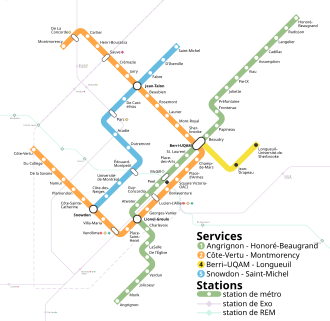
Metro stations: Cartier, De la Concorde, Montmorency (Orange Line extension to the north)
South Shore
-
Longueuil–Université-de-Sherbrooke (Yellow Line) is the main Metro gateway to the South Shore bus network.
Zone differences that affect fares
-
Zone A covers the island. Crossing to Laval or South Shore often changes the zone (and fare products). Use ARTM tools to pick the right pass.
Where to check:
-
STM (Montréal), STL (Laval), RTL (South Shore), Exo (regional rail/bus).
How to Choose the Right Station (A Simple Match System)
Use this quick match system:
-
Daily commute: pick a station that keeps you on one line (fewer transfers = less friction).
-
Groceries + gym + life: check what’s within 10–15 minutes walking.
-
Evenings: if you go out, prioritize areas where you can walk home safely after the Metro.
-
Winter reality: stations with better bus backups matter when snow slows surface routes.
Transit Fare, Fare Card, and Bus Tickets
If you’re asking:
-
how to pay for montreal public transit
-
how to use montreal public transit
-
how to take public transit in montreal
-
how much is public transit in montreal
-
cost of public transit in montreal
Here’s the practical version.
Fare card + where to buy
-
You can use an OPUS fare card (sold at Metro stations and partner outlets), and you can load fares/passes for your trips.
Bus tickets + exact change
-
Buses typically take exact change only; no change is given. Metro station vending machines and booths are the easiest place to buy tickets/passes in advance.
Transfers
-
Transfers are built into the ticket rules (valid for a set time window). Validate properly when boarding buses.
Kids rule (useful for families)
-
ARTM rules allow free travel for children 11 and under when accompanied by a person 14+ with a valid fare, with limits (up to five children in certain age ranges).
Tickets, Passes, and Fare Zone Rules
Montréal can be Zone A, but once you cross bridges or head into regional networks, zone products matter.
-
Use ARTM fare guidance to choose the correct transit fare product for your neighbourhood trips (especially if your life includes Laval or the South Shore).
Ferries and River Shuttles on the Lawrence River
In summer, seasonal shuttles can be a fun way to cross the Lawrence River—especially between the Old Port / Old Montréal area and Parc Jean-Drapeau.
-
Routes and docking points change by season and operator, so check the official schedule before you build a day plan.
Making Montreal a Walkable City Neighborhood Guide
Quick walkability ratings (high-level, real-life):
-
Downtown / Old Montréal: the highest “do everything by foot” density
-
Plateau: strong daily walkability, local cafés, parks
-
Verdun: walkable main streets + river parks + Metro access
-
NDG: pockets of walkability, but more bus-dependent depending on the block
Winter tip:
-
Downtown indoor connections (like RÉSO) can reduce cold-weather walking, especially if you’re commuting to offices or major stations.
Accessibility, Bikes, and Multimodal Transfers on Public Transit
-
Not all Metro stations have elevators—check the STM accessibility map before you commit to a station as your daily base.
-
Bikes: rules vary by time and route. If cycling is part of your routine, plan a multimodal pattern: bike to a station, then Metro/bus onward.
Local Agencies and Réseau de Transport References
You’ll see these names often:
-
STM: Metro + bus service on the island
-
ARTM: fare zones, fare products, regional coordination
-
Exo: commuter rail/bus to suburbs (legacy lines like Deux-Montagnes are part of the regional story)
-
RTL: South Shore buses
-
STL: Laval buses
Use official schedule pages for the most accurate service updates.
Page Elements to Include for Each Neighbourhood
If you turn this into neighbourhood landing pages, the highest-value elements are:
-
An embedded map with stations + major bus corridors
-
A quick “time-to” table (Downtown, Old Port, airport bus hub, key destinations)
-
A fare tip box (Zone A vs AB)
-
Links to real-time apps and STM alert subscriptions
For apps: Chrono and Transit-style tools help users check real-time updates and reduce guesswork, especially in March storm weeks and other winter disruption periods.
FAQ
How much does property management cost in Montreal?
Different topic—this guide is about public transportation. For housing decisions, start with the station, then the unit.
How to pay for Montreal public transit if I’m new?
Buy your fare at a Metro station (vending machines or counter), load an OPUS fare card if you’ll be here more than a few days, and keep bus rides easy by avoiding cash whenever possible.
What’s the best station to live near if I want nightlife?
Downtown stations like Peel, McGill, Place-des-Arts, and Guy-Concordia keep you close to venues. Plateau stations like Mont-Royal and Laurier are great if you want nightlife plus a neighbourhood feel.
Is Montréal easier than Toronto for transit?
Both cities have strong systems; Montréal’s Metro is compact and fast across central areas, which is why many visitors find it easy to learn quickly.
What’s the fastest way to reduce commuting time?
Choose a home near the station that keeps you on one line (or one simple transfer), and keep your daily destinations clustered.
Add new comment