
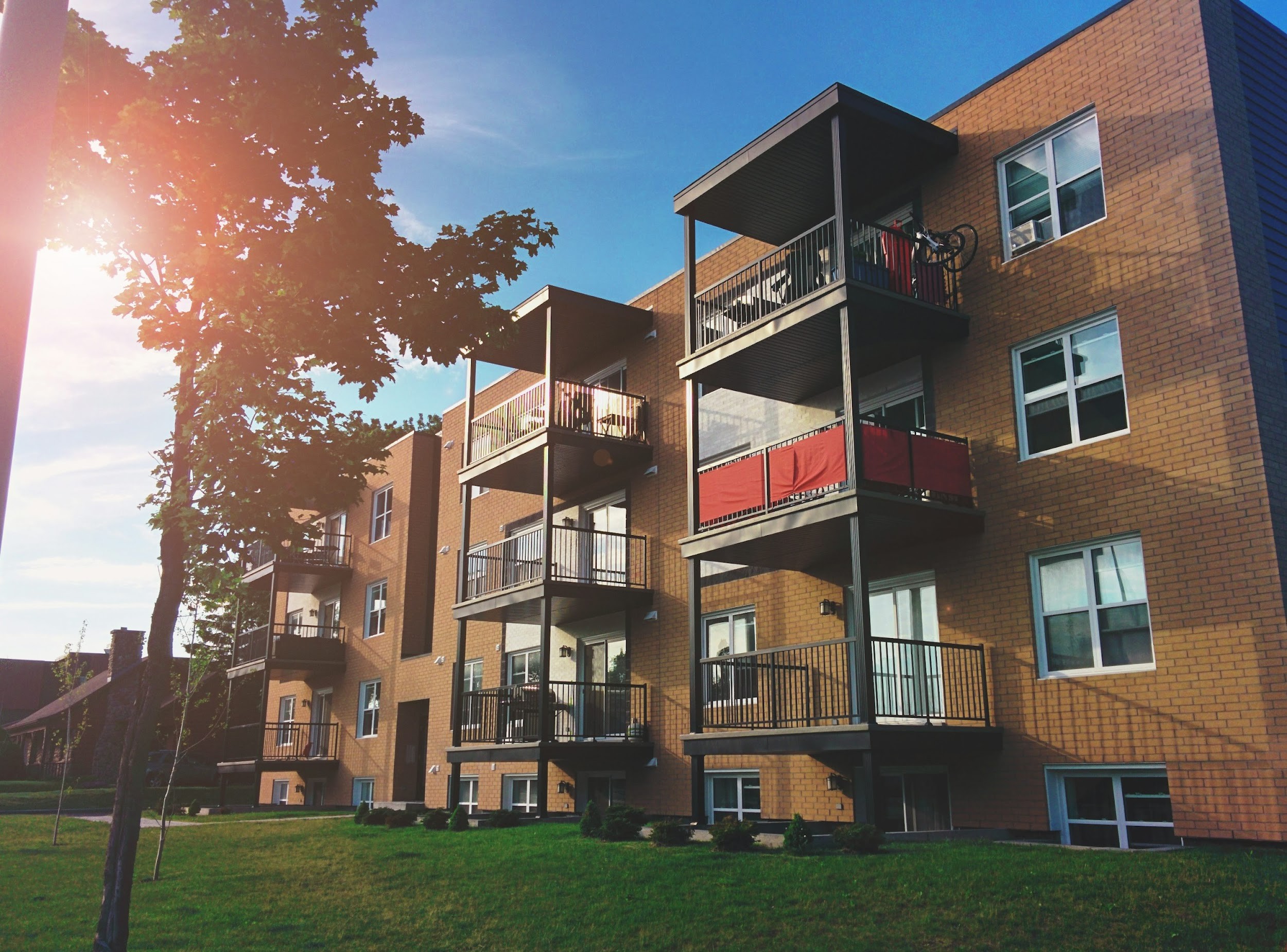
Choosing between new vs older rental properties usually feels like a simple question—until you start comparing real places. A shiny new apartment might come with modern amenities and energy efficiency, but an older apartment can offer more space in established neighborhoods with a stronger sense of local community. The right choice depends on your budget, your daily routine, your tolerance for rules and noise, and what you want from your lifestyle over the next several years.
Below is a practical breakdown—pros, cons, what to check during viewings, and how to make an informed decision that fits your needs.
Which Is Better: New or Older Rentals?
There isn’t a single winner. Choice depends on what you value most: location and space, or convenience and predictability. Newer properties often deliver energy efficient living, open floor plans, and extras like gyms, coworking areas, or rooftop lounges, but you usually pay a premium in price and deal with stricter rules. Older properties are often in established neighborhoods close to public transportation and daily necessities, with larger layouts and more character, but you may face higher utility bills and more maintenance issues.
If you want the easiest, lowest-hassle move, newer buildings can be a safer bet. If you want space, charm, and a central neighbourhood feel, older units can be a better fit—assuming you check the building carefully.
What Counts as “New” vs “Older” Rental Properties?
Definitions that make sense
In most Canadian cities, “new” usually means new rental apartments or condo-style towers built within the last 10–15 years—often in new developments with shared amenities. Think elevators, key fobs, in-suite laundry, and smart technology like app-based entry.
“Older” typically refers to older buildings such as walk-ups, plexes, and heritage stock, plus older homes converted into rentals. Many older properties were built with bigger rooms, thicker walls, and layouts that feel less compressed than many newer units.
Why age isn’t the whole story
Age alone doesn’t tell you how a property will live. A well-renovated older unit with updated electrical systems, fresh windows, and maintained hvac systems can outperform a poorly finished newer place. On the flip side, some newer buildings look great on day one but can feel “cookie-cutter,” come with strict bylaws, or sit beside ongoing construction.
Two things matter as much as age:
-
Renovations and upkeep (windows, plumbing, insulation, roofs, common areas)
-
Building management (how quickly issues are handled and how clear the rules are)
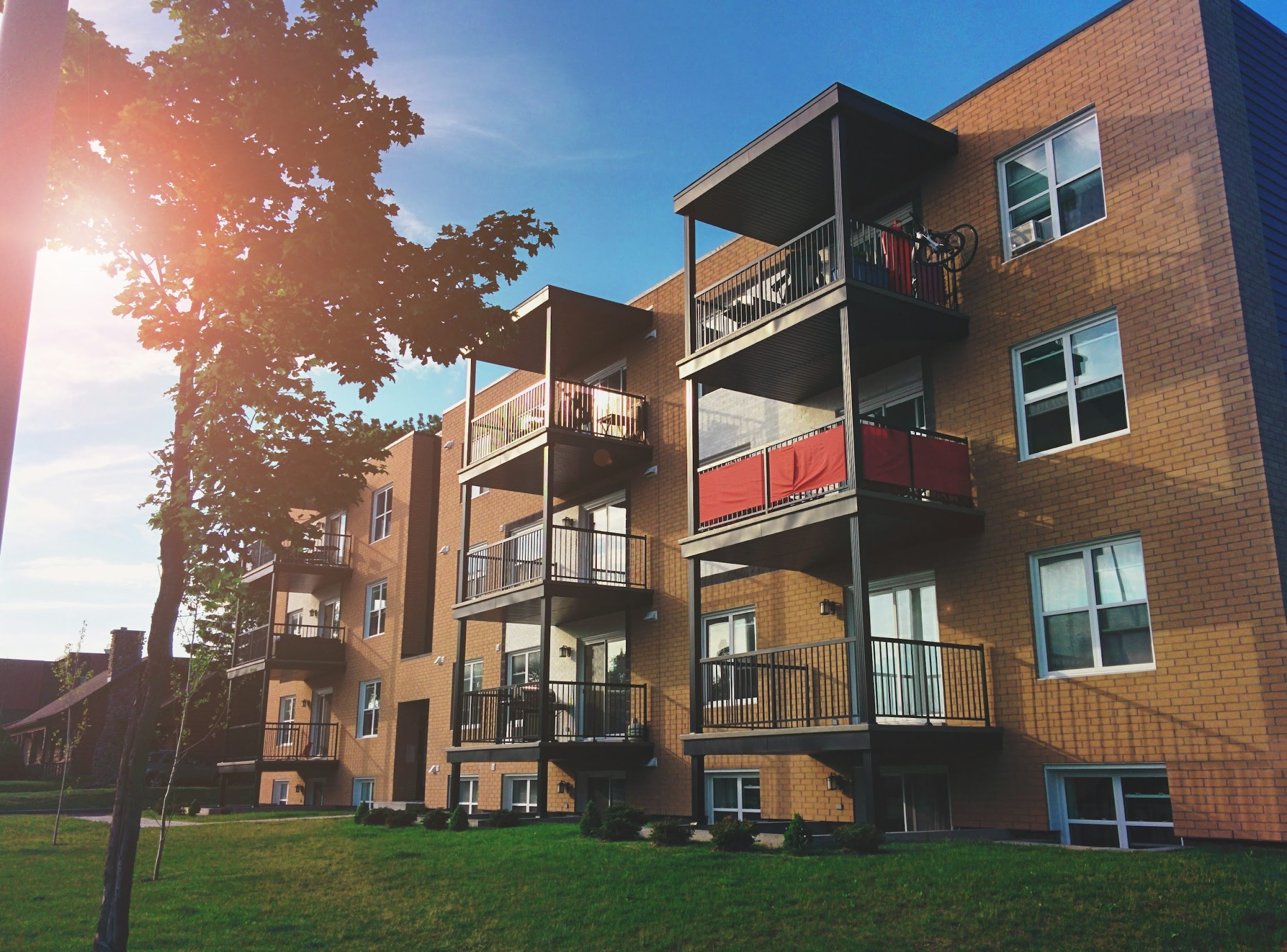
Pros and Cons of Newer Rental Properties
Pros
Modern amenities are the obvious benefit. Many newer properties offer:
-
In-suite laundry, elevators, package rooms, and better access systems
-
Fitness centres, lounges, and sometimes rooftop lounges or terraces
-
Cleaner common areas and better lighting—small things that matter day to day
Energy efficiency is also a major draw. New builds typically have better insulation and more consistent cooling systems and heating performance. Newer properties are often built with energy-efficient features that can help reduce utility bills for tenants, especially during winter.
Lower maintenance costs (early on) are another advantage. Newer rental properties are generally less likely to have unexpected repairs in the first few years. You’re less likely to deal with aging plumbing, failing appliances, or recurring leaks.
Security and access also tend to be smoother in newer buildings: cameras, fobs, controlled entry, well-lit garages, and clearly posted rules.
Cons
The main downside is price. New buildings often command higher rent because you’re paying for upgrades and shared amenities. Even if the unit is small, you’re still paying for the building’s features—sometimes plus maintenance fees folded into the owner’s pricing.
Smaller units are common. Many new developments prioritize modern design and efficient layouts, but that can mean less storage and less true living space than older units in the same area.
Rules can also be stricter. Many condo-style buildings have bylaws that affect:
-
Move-in bookings and elevator reservations
-
Noise and guest policies
-
Pet policy restrictions
-
Limitations on what you can do (hooks, wall mounting, balcony use)
And then there’s construction. Construction delays or ongoing work nearby can affect your peace and quiet, especially if the neighbourhood is still developing. Even if your building is finished, nearby projects can bring noise, dust, and blocked sidewalks.
Pros and Cons of Older Rental Properties
Pros
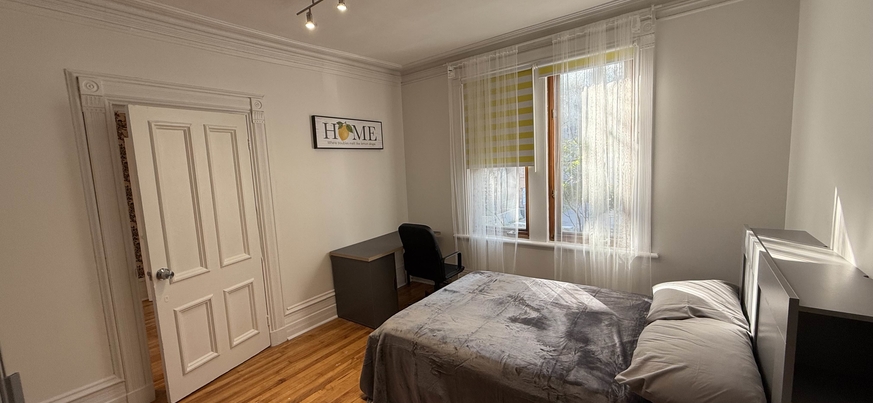
The biggest advantage is often more space for your money. Older rental properties often come with larger layouts, bigger bedrooms, and storage that newer places sometimes lack. Many older apartments also have character: tall ceilings, hardwood floors, original trim—features that add a unique feel.
Location is another major win. Older buildings are often in established neighborhoods with developed infrastructure—schools, parks, cafés, grocery stores, and reliable public transportation. That can mean an easier commute and a more walkable routine.
Older neighbourhoods can also offer a greater sense of place. Many people find that older areas come with more resident involvement and a stronger feeling of community, compared to brand-new developments.
Cons
Comfort can vary. Older buildings may have drafty windows, uneven heat, and lower energy efficiency, which can lead to higher utility bills—especially in winter. Older buildings may have higher utility costs due to outdated insulation and heating systems.
Maintenance risk is real. Aging systems like plumbing and electrical systems can mean frequent repairs and surprise issues. Even if the unit looks fine, hidden problems can show up: moisture behind walls, pests, or old wiring that can’t handle modern loads.
Older units may also lack convenience features:
-
No in-suite laundry (shared laundry or none)
-
No dishwasher
-
No elevator in walk-ups
-
Fewer outlets and less practical lighting
For owners, older properties often require a larger reserve budget for maintenance and repairs due to their age. For renters, the “hidden costs” are usually time, inconvenience, and variability—not just money.

Real-Life Decision Factors (What Actually Changes Your Day-to-Day)
Total monthly cost (not just rent)
Don’t compare rent alone. Compare monthly expenses:
-
Utilities (electricity, heating, hot water, AC) and whether utilities included / included utilities applies
-
Internet and TV
-
Laundry costs (in-unit vs shared)
-
Parking or a parking space fee
-
Insurance: tenant insurance / renters insurance
A cheaper older unit can turn expensive if heating is inefficient. A new unit can look costly until you realize it includes services you’d otherwise pay separately.
Comfort in winter / summer
Ask about windows, insulation, and how the heating works. Newer buildings often feel more stable because of better insulation and modern hvac systems. Older buildings can be comfortable too, but comfort depends on maintenance and upgrades.
Noise and privacy
Noise can go either way. New towers can have sound travel through hallways; older walk-ups can have thin walls or loud floors. Check:
-
Street-facing bedrooms
-
Hallway noise
-
Flooring (hardwood can amplify footsteps)
Rules and logistics
Newer buildings often require more coordination: move-in reservations, limited access to loading zones, strict guest rules. Older buildings can be looser, but it depends on the landlord and property manager.
Reliability of repairs
This is where day-to-day life either stays smooth or becomes a headache. Ask who handles repairs—landlord directly, building staff, or a property management company—and how quickly issues are typically addressed.
Viewing Checklist — What to Check Before You Rent
Checklist for older rentals
-
Signs of moisture/mould (musty smell, stains, bubbling paint)
-
Drafts around windows and doors; check for drafty windows
-
Pest indicators (droppings, gaps near baseboards)
-
Outlets and breaker panel basics (enough plugs, no scorch marks)
-
Water pressure in shower and kitchen
-
Heating type and thermostat control
-
Look under sinks for leaks and signs of past flooding
Checklist for newer rentals
-
Listen for HVAC noise and vibration, especially at night
-
Confirm building rules (move-in booking, elevator reservation, guests, pet policy)
-
Check if construction nearby could affect sleep or street access
-
Confirm amenity access rules: hours, booking, and whether amenities are actually open
-
Test cell reception and Wi-Fi options (some concrete towers block signal)
Questions to ask the landlord/property manager
-
What’s included in the lease agreement (heat/hot water/electricity/internet, appliances)?
-
Typical utility costs in winter and summer?
-
How are repairs handled and what’s the response time?
-
What’s the lease renewal process and how is a rent increase communicated?
-
Any building bylaws that affect living arrangements, guests, or noise?
-
What do you need for the rental application (ID, references, credit check)?
If you’re new to renting, landlords may ask for proof of income, references from previous landlords, and consent for a credit report or credit check. If you don’t have a good credit history yet, a co-signer may be requested.
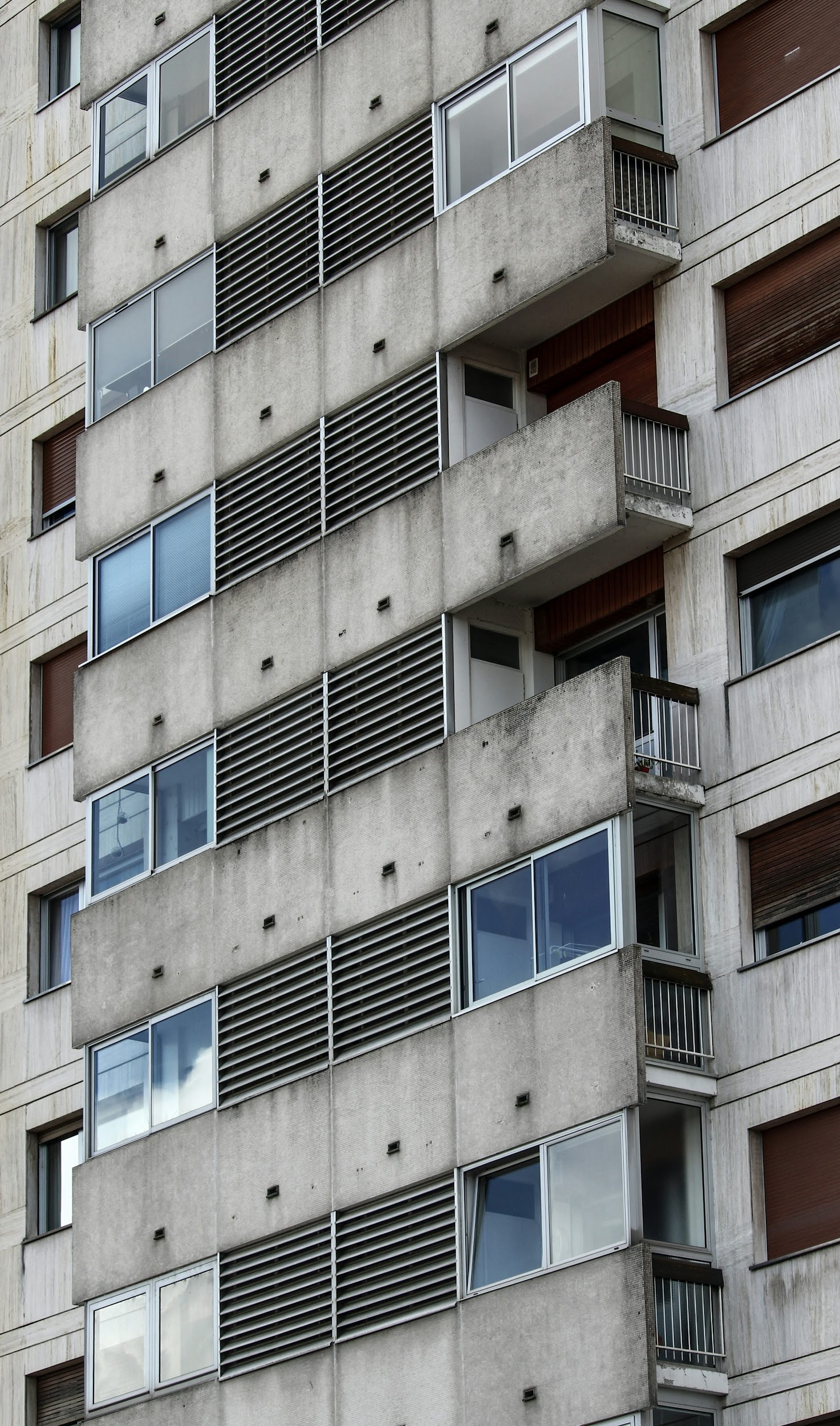
Best Fit Scenarios (Pick Your Match)
Choose newer if you…
-
Want low hassle, modern amenities, and predictable systems
-
Prefer better insulation and lower utility swings
-
Work from home and need reliable quiet, stable heating/cooling
-
Like modern layouts, open floor plans, and newer finishes
-
Want easy access buildings with elevators and secure entry
Choose older if you…
-
Want more space and often a better location
-
Prefer established neighbourhoods with shops, parks, and transit
-
Like character and don’t mind some quirks
-
Can tolerate variability in heating, noise, or older fixtures
-
Value a stronger neighbourhood feel and history
Hybrid strategy for newcomers
If you’re moving to a city you don’t know well, a furnished mid-term stay can help you learn neighbourhoods before you commit. You can live near transit, test your commute, and visit units in person without rushing the decision.
If you’re a property owner, you can use our service to list your furnished unit and we’ll help rent it out: https://montreal-aparthotel.com/eng/owners
Common Mistakes Renters Make
-
Falling for nice photos without checking noise, heating, or the building’s rules
-
Ignoring total monthly cost (utilities, laundry, parking, insurance)
-
Not reading the lease closely—especially what’s included and what isn’t
-
Signing before seeing the unit or verifying who you’re dealing with
-
Sending money before the paperwork is signed—one of the fastest ways to get caught in rental scams
FAQ
Are newer apartments always more energy efficient?
Usually, yes—newer buildings are often built with energy efficient features and better insulation. But it still depends on how the building is managed and whether the HVAC setup is well designed.
Are older apartments always cheaper?
Not always. Many older rentals have a lower rent, which is an obvious benefit, but prime locations can still be expensive. Also, older apartments can bring higher utility bills that change the true monthly cost.
Which is quieter: new or old buildings?
Either can be quiet or noisy. It depends on construction, layout, and your unit’s position (street-facing, near elevators, above a busy neighbour).
What should I check first in an older apartment?
Start with moisture/mould, window drafts, water pressure, and the condition of electrical outlets and plumbing. Those are the items that lead to the most costly repairs and day-to-day frustration.
Is a new condo worth the higher rent?
It can be, if you’ll use the amenities, value security, want predictable comfort, and prefer fewer maintenance surprises. If you mainly want space and location, older units may offer better value.
How do I avoid rental scams?
Verify the address, meet in person, and never send payments before you’ve seen the unit and signed the lease agreement. If anything feels rushed or inconsistent, walk away.
Add new comment