

Montreal topped Time Out's list of the world's best cities in 2025. It ranked #1 in North America for healthy living metrics, ranked 18th globally as a student city, and was named the safest city to travel to on the continent. Those aren't marketing claims — they're from independent rankings published by Lonely Planet, the QS Best Student Cities report, and Berkshire Hathaway Travel Protection.
And yet, moving to Montreal in 2026 comes with real tradeoffs that no ranking captures. Rent has climbed significantly. Quebec's language laws affect your career options if you're not bilingual. The healthcare system is under serious strain. And the winters are genuinely brutal.
Here is an honest breakdown of what to expect.
The Cost of Living: Still Cheaper Than Toronto, But Not Cheap
Montreal has long been the most affordable major city in Canada. That's still true in 2026 — but the gap is narrowing.
According to Zumper's February 2026 rent report, the median rent in Montreal is currently $1,849 per month across all unit types. A one-bedroom unfurnished apartment averages around $1,566/month, and a two-bedroom sits closer to $2,260/month. Rents in Montreal rose 5.9% over the past year — outpacing the Tribunal administratif du logement's own recommended increase.
For a single person living reasonably well, MTL Blog estimates total monthly costs at just over $3,100 CAD — including rent, groceries, transport, and some social spending. The average after-tax monthly salary in Montreal is around $4,121, leaving roughly $1,000 of breathing room.
Electricity is one genuine advantage: Hydro-Québec rates are among the lowest in North America, roughly half of what Toronto residents pay and five times cheaper than New York. Average monthly utility costs (electricity, heating, water, internet) run around $172 for a standard apartment.
Compared to Toronto or Vancouver, Montreal remains a significantly more affordable place to build a life. Just don't move expecting 2015 prices.

The Job Market: Strong in Some Sectors, Uneven Overall
According to Statistics Canada's Labour Force Survey from November 2025, Montreal's unemployment rate fell to 5.9% — well below Toronto's 8.4% during the same period. Quebec's provincial unemployment rate sat at 5.1%, one of the lowest in the country.
The sectors actively hiring in Montreal right now are technology, AI and machine learning, healthcare, aerospace, and gaming. Montreal accounts for 50% of Quebec's GDP and employment, and the city is home to major players like Ubisoft, Bombardier, Moderna, and a growing cluster of AI research labs.
The honest caveat: if you're relocating to Montreal without French, your job options are limited. Bill 96 — Quebec's updated language law — has made some employers more cautious about hiring anglophones. About 8% of Quebec firms now report they never hire anglophones, and 10% hire fewer than before. In tech and international companies, you can often get by with English alone. In most client-facing or government roles, bilingualism is effectively required.
If you're serious about building a career in Montreal, investing in French — even conversational French — is not optional.
Is Moving to Montreal a Good Idea for Quality of Life?
The short answer: yes, for most people — with eyes open.
Montreal ranked #1 in North America and 21st worldwide across 15 healthy living metrics including cost of living, gender equality, innovation, and green spaces. The city's Plateau-Mont-Royal, Mile End, Rosemont, and NDG neighbourhoods consistently draw people who want a walkable, culturally rich environment without the sterile corporate feel of Toronto's downtown core.
The STM metro covers most of the island efficiently, transit passes are cheaper than in Toronto, and the Ville de Montréal has invested steadily in cycling infrastructure and public parks. The food scene — from Jean-Talon market to the smoked meat institutions of the Main — is genuinely world-class and far more affordable than comparable cities.
What the rankings don't tell you: the public healthcare system is overwhelmed. Family doctors are in short supply, emergency wait times can stretch for hours, and some GPs are simply not taking new patients. If you have complex medical needs or rely on continuity of care, factor this in seriously before committing to a relocation to Montreal.
And then there's winter. It's not just cold — it's a four to five month commitment to sub-zero temperatures, grey skies, and managing your life around ice. People who thrive here tend to genuinely embrace winter activities: skiing, skating, snowshoeing. People who only endure it tend to leave within a few years.
What to Sort Out Before You Arrive
Housing first. The rental market in Montreal moves fast, and good units at fair prices don't stay available long. If you're arriving from outside the province, try to secure at least your first month's accommodation before landing — ideally something fully furnished so you have time to explore neighbourhoods without committing to a long-term lease blindly.
Understand your tenant rights early. Quebec has some of the strongest tenant protections in Canada. Leases typically begin July 1 — which is an actual moving holiday in Montreal, a city-wide tradition unlike anywhere else — but month-to-month and short-term furnished options exist year-round, especially useful during the first months of a relocation.
Get your SIN (Social Insurance Number), open a Canadian bank account, and register with the RAMQ (Quebec's public health insurance) as soon as possible. RAMQ coverage for new residents typically begins after a three-month waiting period — private travel insurance is worth considering during that window.
Montreal in 2026 is a genuinely good place to land if you're willing to navigate its specifics — the language, the winters, the healthcare gaps — with realistic expectations. For people relocating for work, arriving on a Working Holiday visa, or in the middle of a life transition and needing somewhere to settle while they get their bearings, the city rewards those who give it a real chance.
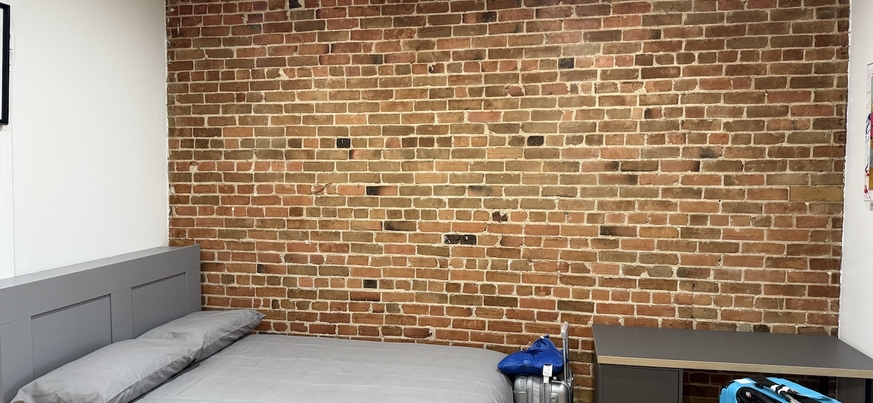
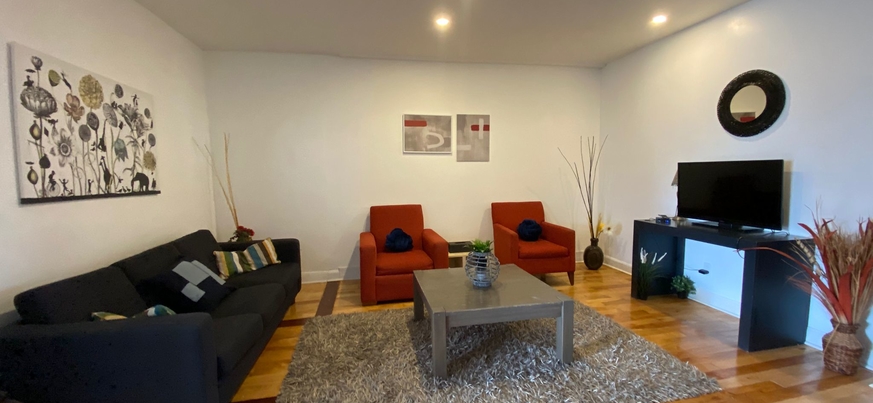
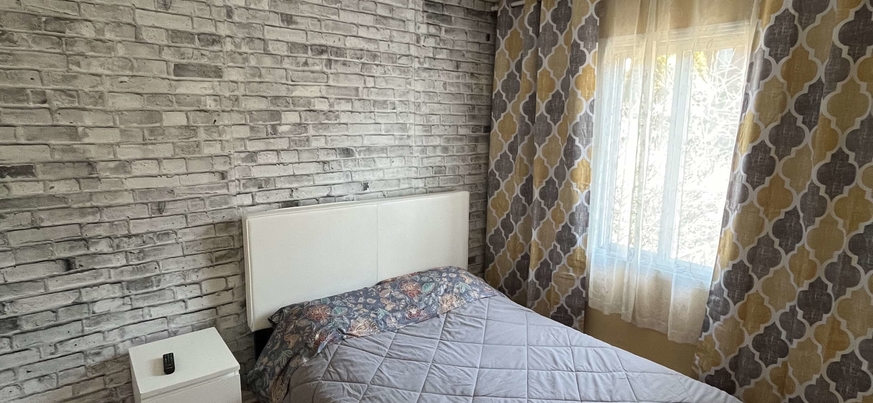
If you need a practical place to start, Montreal Aparthotel rents fully furnished apartments and studios by the month — close to the metro, no long-term lease, everything included. It's a sensible way to get settled without overcommitting while you figure out where you actually want to live.
Add new comment