

Many first-time renters wonder if they can sign a lease agreement at 18 or if they must wait until a parent steps in. It’s a fair question — signing a lease is a legal document, and not every young renter knows how the rules work across Canadian provinces. The short answer is yes: you can rent an apartment at 18 in most parts of the country, but the process depends on provincial law, the kind of rental property you’re applying for, and the level of proof a landlord receives before approving you.
This guide explains the age rules, what documents help your application, when you need a co-signer, and how things work specifically in Quebec and Montreal.

Age Requirements for Renting in Canada
What “Age of Majority” Means in Canada
The legal "age of majority," or the age at which an individual acquires full contractual capacity, is determined by each province. You can then make financial decisions, sign a tenancy agreement, and assume full responsibility for the terms you agree to.
When you rent an apartment at 18, you are legally responsible for paying rent, respecting the rules of the premises, and handling any obligations stated in the agreement. If something goes wrong — unpaid rent, damage, or conflict with other tenants — the law treats you as an adult.
Age of Majority by Province
Here is how the age rules break down:
-
Quebec: 18
-
Ontario: 18
-
Alberta: 18
-
Manitoba: 18
-
Saskatchewan: 18
-
New Brunswick: 18
-
Nova Scotia: 18
-
Prince Edward Island: 18
-
Newfoundland and Labrador: 19
-
British Columbia: 19
Most provinces allow renting at 18, but British Columbia and Newfoundland require you to be 19. Even there, however, the Residential Tenancy Act creates special exceptions for housing because it is considered a basic life necessity.
Can 18-Year-Olds Rent an Apartment in Quebec and Montreal?
Legal Status in Quebec
In Quebec, the answer is straightforward: an 18-year-old can legally rent an apartment without needing parents' permission. You can sign a rental agreement, negotiate terms, and enter a new tenancy as a full adult. Quebec law considers housing essential, and your agreement is enforceable like any other legal contract.
What Landlords Can and Cannot Ask For in Quebec
Renting in Montreal still requires showing that you are reliable. Here is what landlords may and may not request:
Allowed:
-
Proof of income or employment
-
References from a family member or previous landlord
-
Confirmation that you can pay rent reliably
Not allowed:
-
Security deposit for damage (not legal in Quebec)
-
Your SIN number
-
A fee for processing your application
-
Extra charges simply because of your age
If a landlord accepts your application, you have the same rights as any other tenant, including proper notice for a rent increase, the right to peaceful enjoyment, and protection from unfair conditions.
What 18-Year-Old Renters Need to Rent Successfully
Documents That Help Your Application
Even when the law is on your side, a landlord wants reassurance that a young renter can manage life living independently. Helpful documents include:
-
A recent employment letter or contract
-
Bank statements
-
A reference from a former landlord, teacher, or family contact
-
A short written explanation of your situation and ability to handle the responsibility
These simple steps show maturity and reduce worry for the owner of the property or building.
When You Might Need a Co-Signer
Some owners ask for a co-signer when the renter is young, new to the city, or has no existing credit history. A co-signer — often a parent or spouse — legally assumes responsibility for unpaid rent or damages. This usually happens when:
-
The renter has no full-time income
-
They have never rented before
-
They are international students without local references
When You Don’t Need a Co-Signer
If you already have a stable income, part-time work with reliable hours, or savings that clearly cover monthly rent, you may not need anyone to sign with you. Many private landlords prefer straightforward applications with clean documentation rather than complicated guarantees.
Shorter leases and furnished rentals are especially flexible — if the unit is available and the landlord accepts, a co-signer will often not be required.

Renting in Montreal: Best Options for Young Renters
Why Furnished or Short-Term Rentals Are Easier
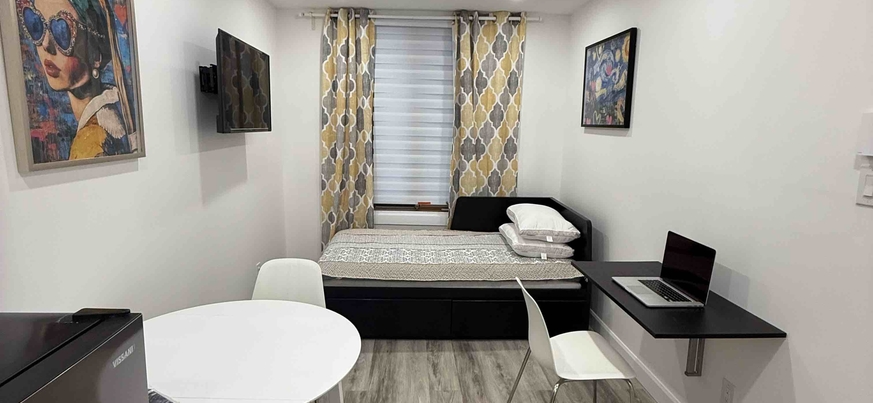
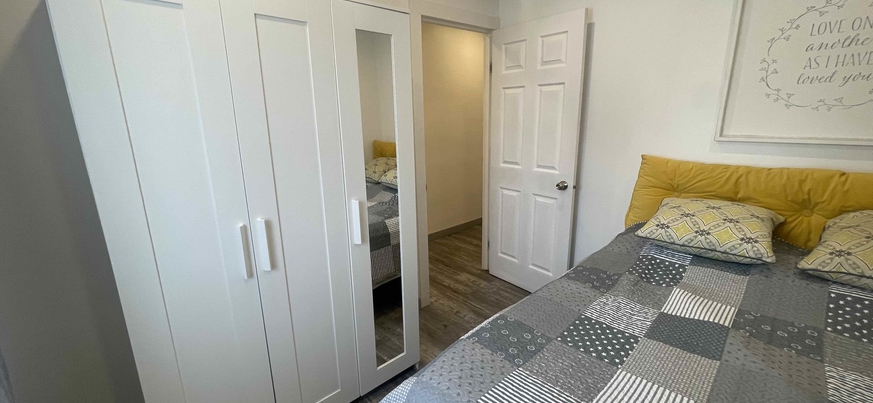
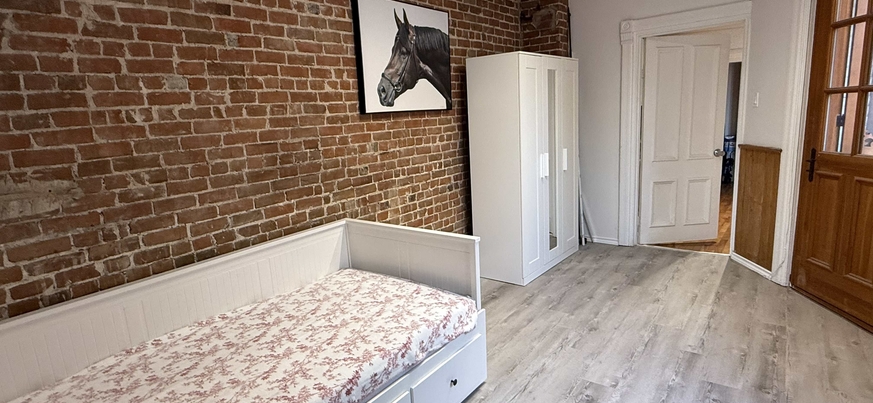
For an 18-year-old new to the city, furnished and short-term homes remove stress. There are no utility contracts to set up, no need for large purchases, and no long-term obligations. Many young renters prefer these units because they can focus on school, work, or adjusting to life in Canada without worrying about extra services.
Popular Apartment Types for Young Renters
Montreal offers a wide range of units suitable for young adults:
Each option offers stability while keeping the commitment manageable.
Conclusion
Eighteen-year-olds can legally rent across most of Canada, and especially in Quebec and Montreal, where the age of majority is 18. Understanding your provincial rules, preparing strong documents, and choosing a rental style that fits your situation make the process smoother. Whether you rent through a large company or private landlords, your agreement is enforceable once signed, and you carry the full duties of adulthood.
With the right preparation, renting your first home can be the first confident step toward a more independent life.
FAQ: Renting an Apartment at 18 in Canada
Can 18-year-olds rent in Canada?
Yes. Most provinces allow renting at 18, and your tenancy is binding as long as you follow the rules and obligations of the contract.
Can an 18-year-old rent in Quebec / Montreal?
Absolutely. Quebec’s age of majority is 18. Your tenancy agreement is valid, and no additional consent is required.
What if I have no credit history?
You can still rent. Be prepared to provide proof of earnings, references, or savings to show you can meet the terms of the agreement.
Do I need my parents to sign?
Only if a landlord prefers added security. Some require a co-signer; others will approve you directly if your documentation is strong.
Add new comment