
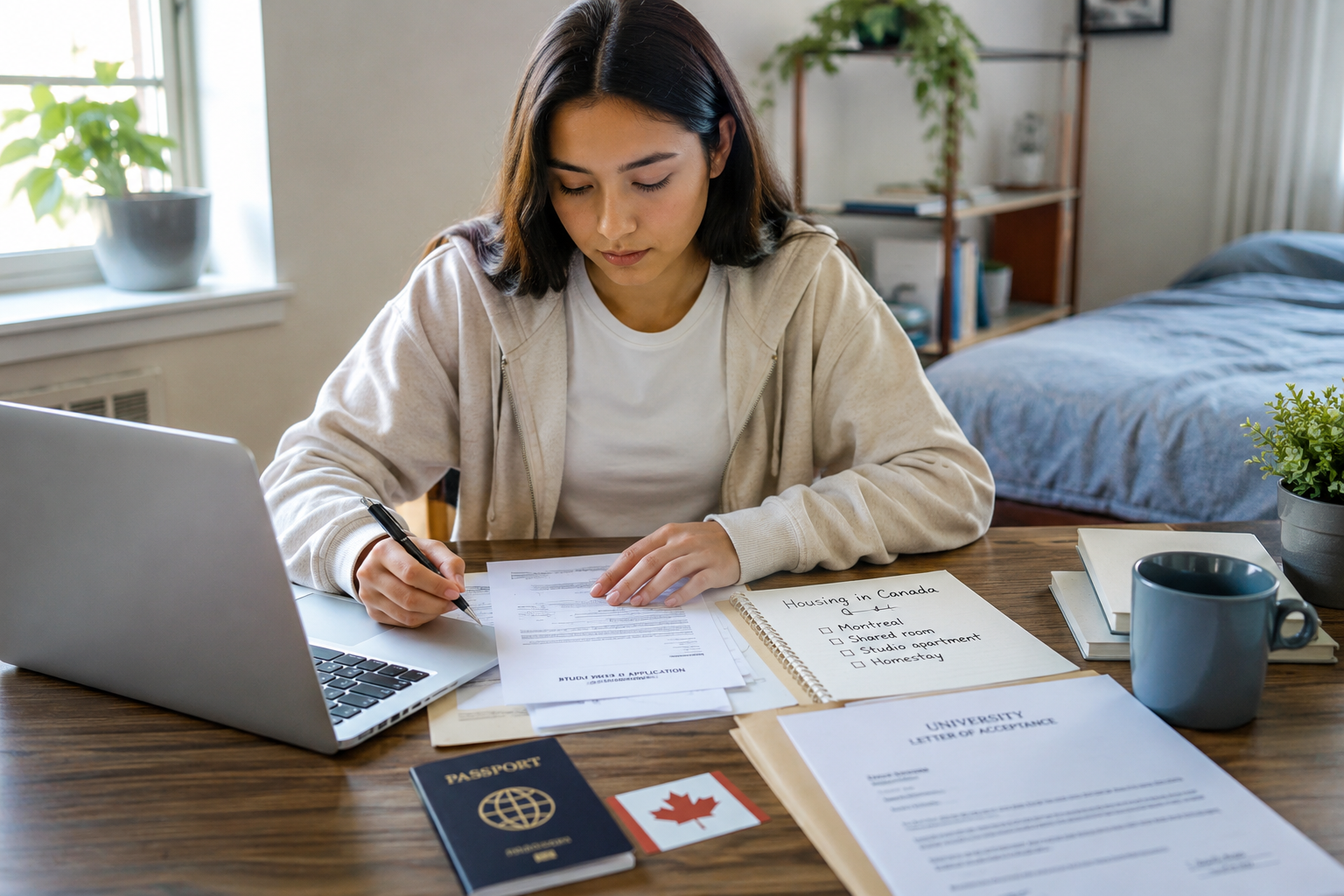
Short answer: no. You can apply for your study permit without a Canadian address, and the vast majority of applicants do exactly that — from their bedroom, in their home country, months before they ever set foot in Canada. What actually matters is the mailing address you list on the application form, and that address can be anywhere in the world where you can reliably receive mail or check an online account. The confusion usually comes from a different question people mix up with this one: what address do you need once you arrive, not before you're approved.
Let's separate the two, because they matter for very different reasons.
Why IRCC Asks for an Address on the Study Permit Application
When you fill out the study permit application form, there's a section asking for your current mailing address. This trips people up because it feels like proof you need somewhere to live in Canada lined up. It isn't. The address for a Canada study permit application is simply where Immigration, Refugees and Citizenship Canada (IRCC) sends decision letters, requests for more documents, or your Port of Entry Letter of Introduction if you're approved.
If you're applying from outside Canada — which is how almost every first-time student applies — you list your address in your home country, or wherever you're currently living. A foreign national in Poland can apply with a Polish address. Someone finishing a program in the UAE can use their Dubai address. None of this requires a canadian address for study permit applications made from abroad.
The one exception: if you're applying for a study permit from inside Canada — as an existing visitor, work permit holder, or exchange student transitioning to full student status — the physical permit gets mailed to a Canadian mailing address you provide, since you're already here. But this is a small subset of applicants. The default pathway, and the one most people searching this question are on, is applying from outside the country.
Outside Canada vs. Inside Canada: Two Different Rules
This distinction is worth spelling out because it changes what "address" even means for your case.
Applying from outside Canada. This is the standard route. You need a letter of acceptance from a designated learning institution (a DLI), proof of funds, and — depending on your program's province — a provincial attestation letter. You submit everything online through your IRCC account, using your current address as the contact point. You should generally stay outside Canada until the decision comes through; most schools and immigration advisors recommend not booking travel until you've received your approval letter, because you're not eligible to start studying until the permit itself is issued.
Applying from inside Canada. A smaller group of applicants — visitors switching to study permits in specific situations, or exchange students already here — can apply while physically in the country. In this case, yes, you do need a canadian mailing address, because that's where the physical card gets sent once approved. This mailing process usually takes a couple of weeks but can stretch to six.
Either way, the address on your acceptance letter or attestation letter doesn't have to match your current mailing address exactly. IRCC has confirmed applicants can use a different contact address on the application than the one tied to their school paperwork, as long as it's accurate and checked regularly.
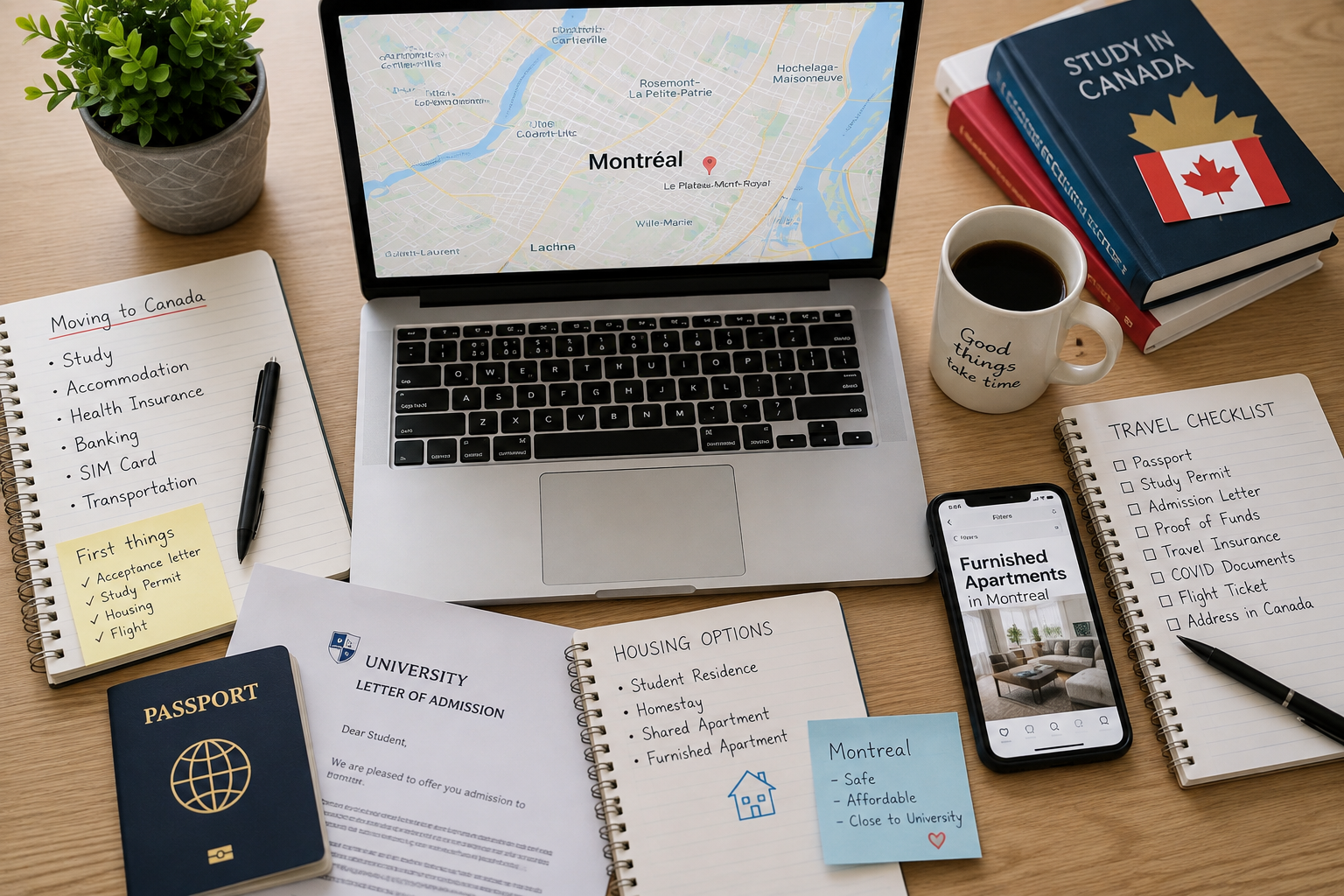
What Address Actually Matters, and When
Here's the part that trips up almost everyone: the address that genuinely matters isn't the one on your application form — it's the one you'll need once you land.
When you arrive in Canada with your study permit approval documents, a border services officer issues the physical permit at the port of entry. From that point, you're a student with legal status, but you still need somewhere real to live before your first week of classes. Landlords in Canada routinely ask for proof of Canadian address, a local bank account, or a co-signer — none of which a brand-new arrival has yet. This is the actual bottleneck for most students, not the paperwork stage.
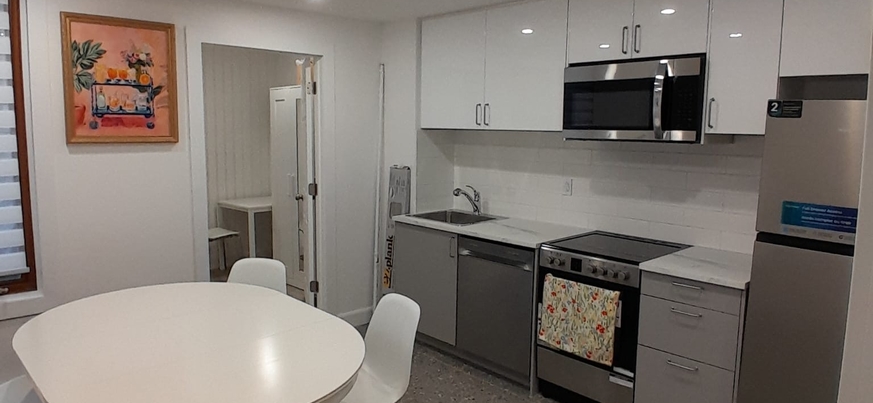
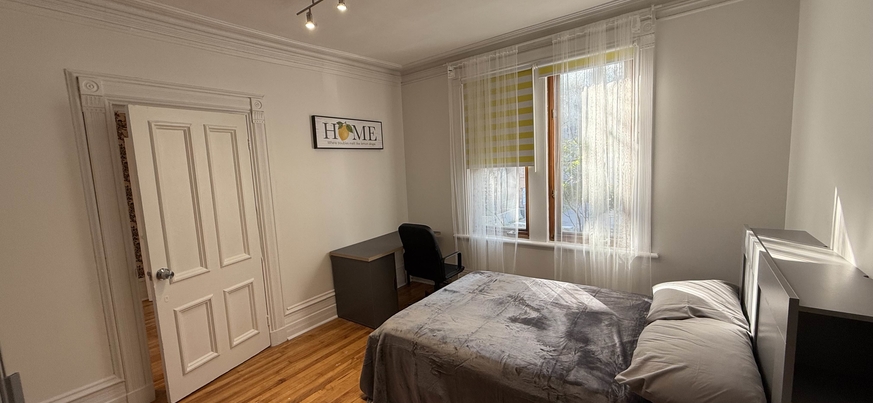
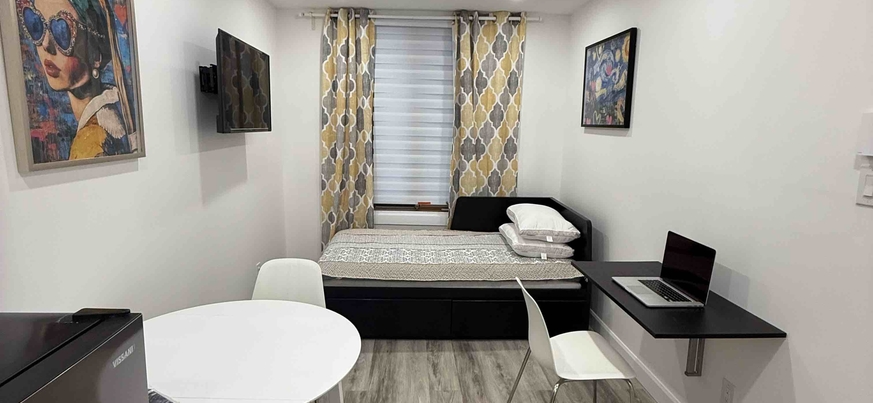
This is also where a temporary housing solution earns its keep. For people arriving from abroad before they've found permanent accommodation, a furnished rental removes a lot of that early pressure — you don't need a Canadian credit history, a guarantor, or a year-long lease agreement to get a working address, a bank statement mailing point, and a place to actually sleep while you sort out longer-term housing. Montreal Aparthotel works exactly this way: fully furnished units by the month, no long-term commitment, no commissions, and the owner meets you personally at the apartment. It's the kind of arrangement that gives new students a stable Canadian mailing address within days of landing, not weeks.
+1 438-838-8833 · info@montreal-aparthotel.com
What to Watch Out For
A few mistakes come up often enough to flag directly.
-
Using a P.O. box. Some address fields reject P.O. boxes outright, since they're meant for a physical mailing point. If you're using a mailbox number in a building, add it in brackets after the street name rather than trying to pass it off as a full address.
-
Letting the address go stale. If you move between submitting your application and getting a decision, update it in your IRCC account. Missed mail from an outdated address is a common, entirely avoidable cause of delay.
-
Assuming you need Canadian proof of address to apply. You don't. Requiring this before applying is one of the more persistent pieces of misinformation floating around student forums.
-
Confusing the study permit with the visa. Your permit lets you study; a separate visitor visa or electronic travel authorization (eTA) is what lets you physically enter the country, and IRCC issues whichever one applies to your passport automatically alongside your approval.
Other Practical Questions Worth Answering Here
How much does it cost to prove you can support yourself?
As of the most recent update, a single applicant needs to show at least $20,635 CAD, on top of covering tuition and travel — a figure the government adjusts periodically for cost of living, according to Immigration, Refugees and Citizenship Canada.
What's the minimum stay for temporary housing once you arrive?
Most furnished rental operators in Montreal set a floor around 30 nights, which lines up almost exactly with how long it typically takes to open a bank account, register with your designated learning institution, and start apartment-hunting properly.
What's usually included?
A decent furnished apartment Montreal option should come with basic furniture, Wi-Fi, a kitchen you can actually cook in, and laundry — the essentials that let you function immediately instead of furnishing a place from scratch on week one.
Where to look?
Search directly for operators who specialize in medium-term stays rather than short vacation rental platforms, since the pricing structure and lease flexibility are built for people staying a month or more, not a weekend.
If you're between the approval stage and actually landing, and you know you'll need a working address the moment you arrive, it's worth lining up a furnished apartment before your flight rather than scrambling after.
Add new comment