
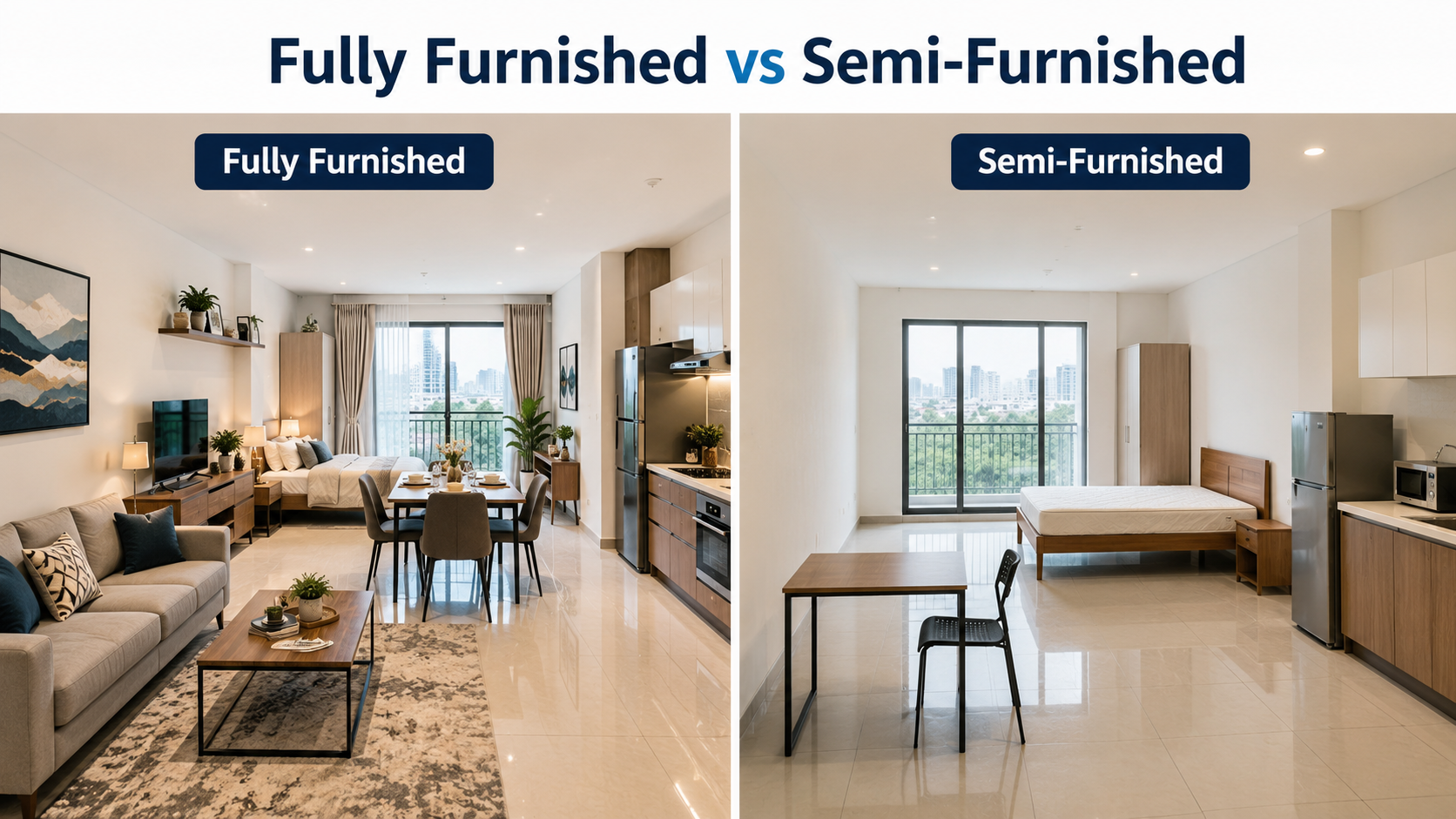
Choosing between a fully furnished apartment and a semi furnished apartment in Montréal isn't only about furniture. It shapes how much you spend before moving in, how quickly you can settle, how much freedom you have to make the space your own, and what you should reasonably expect from the landlord.
For renters, the question is practical: do you want a place that's move in ready, or do you want more room to bring in your own furniture and personal style?
For landlords, the question looks different: who's the target market, what should be included, and how should the apartment be described so potential tenants aren't disappointed once they arrive?
There's no universal legal standard behind furnished apartments as a category. One landlord might say "fully furnished" and mean all the furniture, kitchen utensils, linens, Wi-Fi, and basic appliances. Another might use the exact same phrase for a bed, sofa, coffee table, and a couple of kitchen appliances. The same problem shows up with semi furnished apartments. That's exactly why the actual inventory list matters more than the label on the listing.
Quick Brief on Furnished Apartments and Renting Furnished Options
The choice between fully furnished and semi furnished usually comes down to two things: convenience and personalization.
A fully furnished apartment gives the renter far less hassle. You arrive with clothes, personal items, and maybe a laptop, and that's largely it. The bed is already there. The kitchen is usable from day one. The living space has seating. The apartment works for daily life without you lifting a finger first.
A semi furnished apartment gives the renter more control instead. Some essential appliances or basic furniture may already be included, but you'll usually be bringing in more of your own pieces. This tends to suit someone staying longer, someone who already owns furniture, or someone who simply wants the apartment to reflect their own taste.
This topic matters most for short-term renters, students, relocating professionals, business travellers, newcomers to Montréal, people between homes, landlords preparing furnished rentals, and renters comparing furnished and unfurnished rentals side by side.
The tradeoff is fairly simple in practice. Fully furnished rentals usually bring higher rent, but far less setup work. Semi furnished rentals often cost less than fully furnished ones, but the renter may need to spend more right at the start. Unfurnished rentals may carry the lowest rent of all, but they demand the most setup and the most furniture moving.
Key Differences Between Fully Furnished Apartments and Semi-Furnished Units
The core difference between fully furnished and semi-furnished apartments comes down to scope: how much is actually included.
A fully furnished apartment should include enough furniture, appliances, and household basics for someone to live normally starting on day one. A semi-furnished unit usually includes noticeably fewer items. It might come with essential appliances, light fixtures, blinds, and occasionally a few pieces of basic furniture, but not a full home setup.
Move-in readiness differs accordingly.
A fully furnished apartment tends to attract renters who want convenience above all else. They might be staying a few months, arriving from another city, or simply avoiding the cost of buying furniture outright. A semi-furnished apartment often suits renters who already own furniture, want longer leases, or want to add their own style to the space.
Lease terms tend to differ too. Fully furnished apartments are far more common in short-term rentals, corporate stays, and temporary housing generally. Semi-furnished apartments can work well for medium or long-term tenants. Unfurnished rentals, meanwhile, usually suit people who plan to stay longer and want complete control over the space from the ground up.
Fully Furnished: What a Fully Furnished Apartment Normally Includes
Fully furnished apartments offer the highest convenience for moving in, full stop. At minimum, a fully furnished apartment should include the main items needed for sleeping, cooking, eating, working, and relaxing without a shopping trip first.
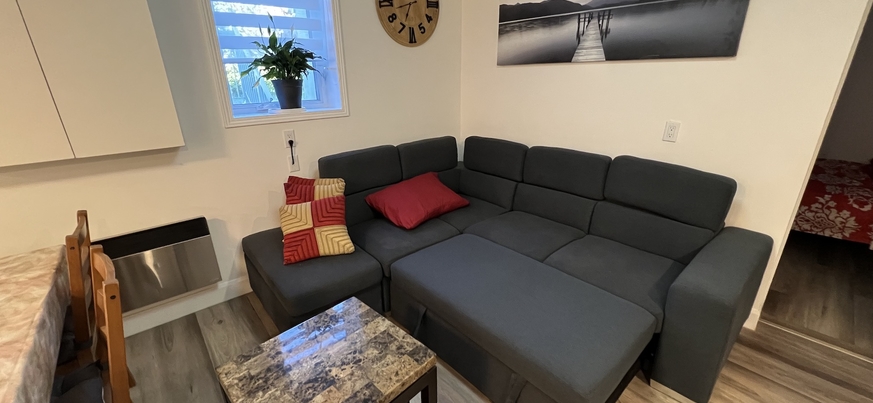
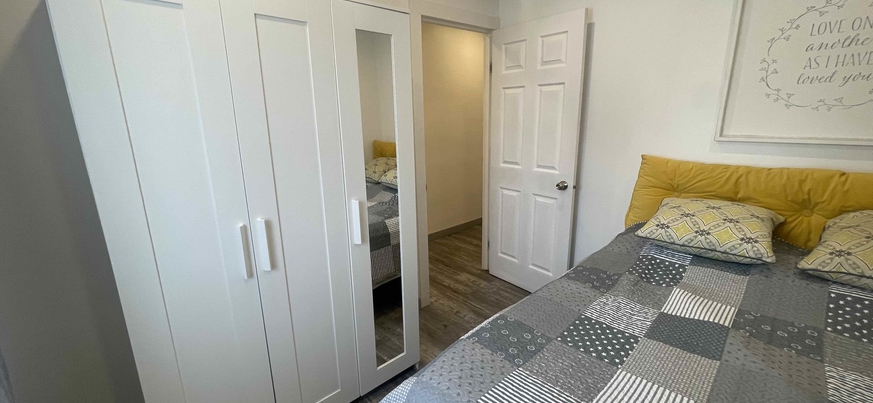
A properly fully furnished apartment typically includes a bed and mattress (double or queen, depending on the unit), a sofa or seating area, a coffee table, dining tables or a small table with chairs, dresser or closet storage, a TV stand or media unit, lamps and light fixtures, and a full run of kitchen appliances: fridge, stove, microwave, plus cookware, dishes, glasses, cutlery, and other kitchen utensils. It should also include a kettle or coffee maker, a shower curtain, bedding, towels, basic cleaning supplies, and clear Wi-Fi information along with laundry details and garbage or recycling instructions.
Some fully furnished units go further still, adding decorative touches, a television, small appliances, a desk and desk chair, premium furnishings, or utilities bundled directly into the rent. For short term rentals and furnished rentals generally, renters increasingly expect Wi-Fi, utilities, linens, and kitchen basics to be either included outright or at least clearly spelled out in the listing.
A fully furnished apartment shouldn't just photograph well. It should actually function. If a renter ends up buying plates, lamps, bedding, a shower curtain, and a table in the first week, the apartment was never really fully furnished to begin with.
Semi-Furnished: What to Expect in a Furnished Apartment With Fewer Items
Semi furnished apartments land somewhere in the middle on essentials. They're usually more affordable than fully furnished units, but the renter still needs to bring or buy a fair number of things themselves.
In Montréal specifically, "semi furnished" can vary a lot from one listing to the next. In some cases it means the apartment includes only essential appliances. In others, it means appliances plus a handful of basic furniture pieces layered on top.
Common items you'll find in semi furnished apartments include a fridge, a stove, sometimes a washer and dryer, a dishwasher where the unit has one, light fixtures, blinds or other window coverings, kitchen cabinets, and occasionally a bed frame or a table with a few pieces of seating.
What's usually missing: a mattress, a sofa, a full dining set, cookware, dishes, kitchen utensils, bedding, towels, lamps, decorative items, Wi-Fi, and obviously any personal belongings or full home setup.
Semi furnished apartments strike a real balance between convenience and customization. They work well for renters who don't want a completely empty unit but still want the freedom to bring in their own furnishings and personal taste.
The safest move here is simply to request an exact inventory list. Never assume "semi furnished" means the same thing across every rental listing you're comparing, because it genuinely doesn't.
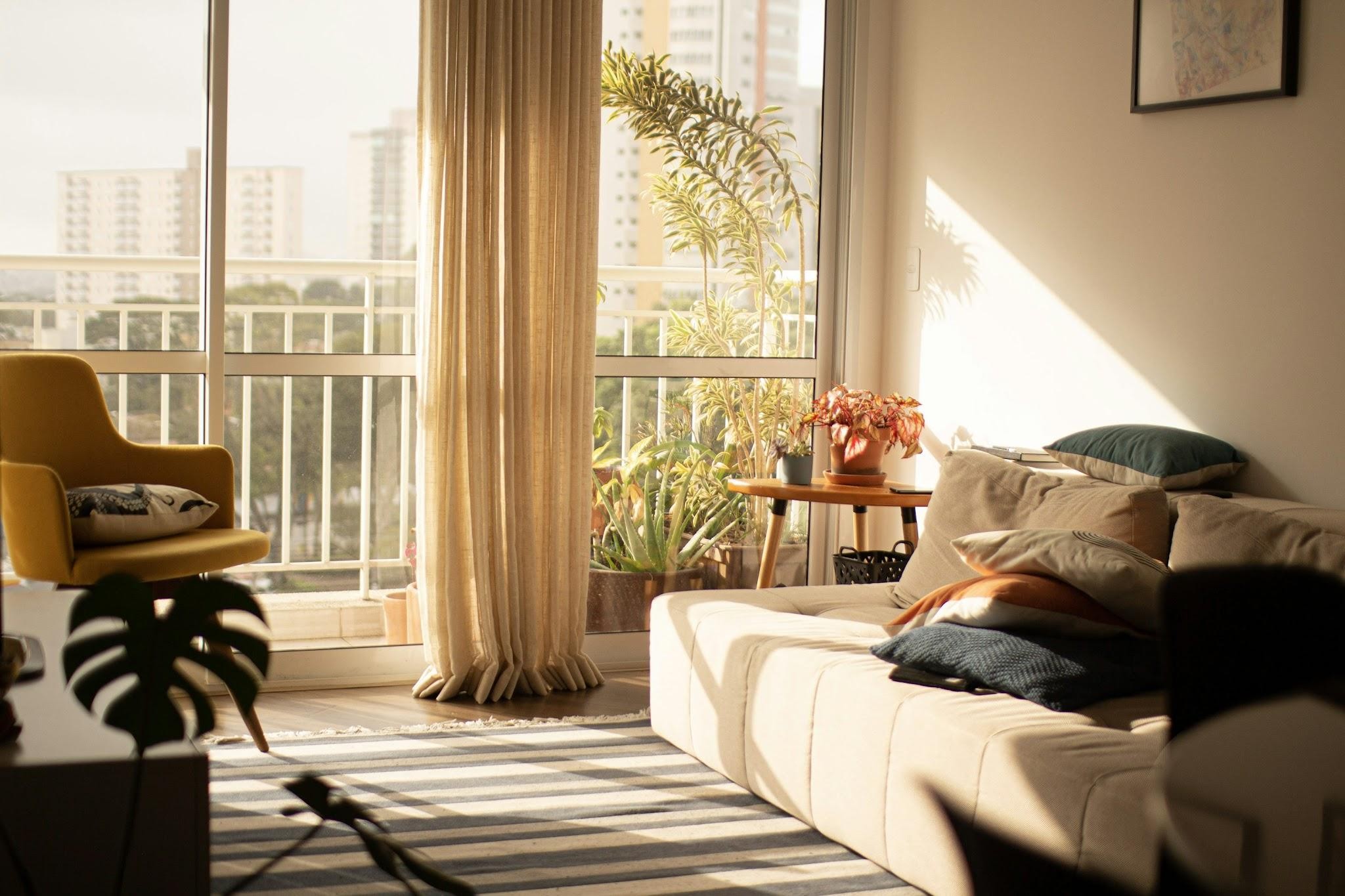
Fully Furnished vs Semi-Furnished: Comparison Table
|
Feature |
Fully Furnished |
Semi-Furnished |
|
Main furniture |
Usually included |
Sometimes included |
|
Bed and mattress |
Usually included |
Often not included |
|
Sofa and coffee table |
Usually included |
Sometimes |
|
Dining tables and chairs |
Usually included |
Sometimes |
|
Essential appliances |
Included |
Usually included |
|
Kitchen utensils and cookware |
Usually included |
Usually not included |
|
Linens and towels |
Often included for short stays |
Usually not included |
|
Wi-Fi |
Often included or arranged |
Often separate |
|
Utilities |
Often included for short- and mid-term stays |
Often separate |
|
Personalization |
Lower |
Higher |
|
Convenience |
Highest |
Medium |
|
Move-in costs |
Lower upfront |
Higher upfront |
|
Best for |
Short term stays, relocation, students, professionals |
Medium to long stays, renters with furniture |
|
Storage burden |
Low |
Medium |
|
Furniture sourcing |
Not needed or minimal |
Often needed |
Duration matters more than almost anything else here. A renter staying two months usually comes out ahead with fully furnished. A renter staying two years may genuinely prefer semi furnished or unfurnished, simply because they can set the space up with their own furnishings and actually get value from that investment.
Price Difference and Additional Costs to Model
Fully-furnished apartments typically carry the highest rental rates on the market. Semi-furnished apartments usually run lower than fully furnished. Unfurnished apartments generally sit at the bottom of that scale.
But rent alone is only part of the calculation.
A fully furnished apartment may carry a higher monthly rent, but the upfront costs stay minimal. The renter doesn't need to buy a bed, mattress, table, sofa, cookware, lamps, or basic kitchen items, and they save real time and hassle by skipping the furniture move entirely.
A semi furnished unit may carry lower monthly rent, but the renter often ends up paying for furniture itself, a mattress, delivery, kitchen items, bedding, towels, lamps, internet setup, moving help, temporary storage, and replacing whatever's missing from the unit.
For a landlord, fully furnished apartments bring their own additional costs too. Furniture wears out. Mattresses eventually need replacing. Sofas stain. Kitchenware breaks. Linens go missing. Appliances need servicing sooner or later. Those costs should be priced directly into the monthly rent and planned for over time, not treated as a surprise.
Here's a simple way to compare the two: if the price difference between fully furnished and semi furnished runs $300 a month, and the renter would need to spend roughly $2,400 buying furniture and household basics from scratch, the break-even point lands around eight months. Stay shorter than that, and fully furnished likely saves money. Stay longer, and semi furnished starts to make more financial sense.
These numbers shift by location, rental market, property size, and furniture quality, so Montréal renters should compare real listings in the same neighbourhood rather than leaning on generic price examples pulled from other cities or countries.
Pros and Cons of Renting Furnished vs Semi-Furnished Units
Pros of fully furnished apartments
Fully furnished apartments are simply easier to move into. They're ideal for short-term stays, students arriving from another city, relocating professionals, business travellers, and anyone who doesn't want to deal with furniture at all.
The main benefits: move-in ready from day one, less hassle overall, lower upfront setup costs, no need to move large furniture, genuinely useful for short term rentals, good for temporary work or study, easier for renters arriving from outside Montréal, often includes Wi-Fi and utilities, and convenient for anyone who simply doesn't own furniture yet.
Cons of fully furnished apartments
The main drawback is higher rent. Fully-furnished apartments typically cost the most to rent, full stop.
Other drawbacks worth naming: less freedom to decorate, furniture that may not match personal taste, potential liability for furniture damage, less room for your own furniture, possible disagreement over the unit's condition, higher expectations from tenants generally, and a greater need for detailed inventory and photos on both sides.
Pros of semi furnished apartments
Semi furnished apartments can cost less than fully furnished rentals while still offering some real convenience. They're a solid middle ground for renters who want a few essentials in place but prefer their own style layered on top.
Benefits include lower rent than fully furnished in many cases, more room for personalization, usefulness for medium to long-term stays, the freedom to bring your own furniture, less responsibility around landlord-owned furnishings, and an easier path to making the apartment actually feel like home.
Cons of semi furnished apartments
The main downside is setup cost. Semi furnished apartments require real investment in additional furniture and household items before they're fully livable.
Other possible drawbacks: more moving work up front, higher upfront costs, more time before the apartment feels genuinely ready, the need to buy or transport furniture yourself, unclear inclusions when the listing itself is vague, less than ideal for short term stays, and possibly needing storage if the renter already owns extra items.
Who Should Pick Furnished Rentals Versus Semi-Furnished Units?
Fully furnished rentals work best for renters who value convenience over personalization, plain and simple.
They typically fit short-term tenants, business travellers, relocating professionals, students from outside Montréal, people staying a few months, remote workers on a temporary stay, people between homes, renters without furniture of their own, and anyone who just wants less hassle overall.
Semi furnished rentals suit renters who want flexibility and actually have time to set the apartment up properly.
They often fit long term tenants, families with their own furniture already, renters already living in Montréal, people who want their own bed, sofa, desk, and layout, budget-conscious movers, students who can buy used furniture, and renters who don't want to pay a higher monthly rent for furniture they might not even like.
Unfurnished rentals are usually the right call for long-term stays where the renter wants complete customization. An unfurnished apartment hands over the most control, but it also demands the most work upfront.
Lease, Inventory, and Damage Policy Considerations for Furnished Units
For furnished units, the lease itself needs to be genuinely clear. A vague phrase like "fully furnished" isn't nearly enough on its own.
The lease, or an attached inventory, should spell out the furniture list, appliances, kitchen items, linens if included, electronics if included, keys and fobs, photos documenting condition, repair responsibilities, replacement responsibilities, rules around damage, what belongs to the landlord, and what the tenant is bringing in themselves.
This protects both sides equally. The renter knows exactly what's included from the start. The landlord has real documentation if something later turns up missing or damaged.
Security deposit adjustments come up constantly in discussions of furnished versus unfurnished rentals, but Québec works differently from many other markets. Under Québec residential leasing rules, the TAL states that a landlord cannot charge additional amounts such as a security deposit or key deposit. The OACIQ similarly notes that requesting a security deposit in residential leasing is illegal when the lease itself depends on that payment.
So for Montréal furnished rentals, landlords shouldn't build a damage policy around a damage deposit at all. Better tools include an itemized inventory, move-in photos, move-out photos, written terms, insurance, clear communication throughout the tenancy, invoices if repairs become necessary, and proper legal recourse if a dispute does eventually arise.
Moving Logistics, Duration, and Flexibility When Renting Furnished
Renting furnished means packing considerably less. A fully furnished apartment can shrink the entire move down to clothes, documents, work items, and personal belongings. That's a big part of why fully furnished apartments work so well for short term stays and people arriving from another city altogether.
Semi furnished apartments need more planning by comparison. Renters may need temporary storage, furniture delivery, or simply a few days to get the space set up before it feels genuinely usable.
Lease length should line up with the furnishing choice you make.
For a stay of one to six months, fully furnished usually makes more sense overall. For a one-year lease or longer, semi furnished or unfurnished may work out better if the renter wants to actually invest in their own setup and get long-term value from it.
The longer the stay, the more personal preferences start to matter. The shorter the stay, the more convenience tends to win out.
Landlord Checklist for Offering Furnished Rentals and Managing Additional Costs
Landlords should treat a furnished property quite differently from an unfurnished property. Furniture becomes part of the rental experience itself, and part of the underlying cost structure.
Before listing, it's worth defining the target market clearly, deciding whether the unit will be fully furnished or semi furnished, pricing furnishings directly into the monthly rent, and creating an amortization schedule for eventual furniture replacement.
It also helps to document furniture condition before each tenant moves in, photograph every room, list all included items explicitly, remove fragile personal items from the unit, provide genuinely durable furniture, choose easy-clean fabrics wherever possible, and test every appliance before listing. Include clear Wi-Fi details if it's offered, plan for periodic cleaning between tenants, budget for replacement costs over time, and update the inventory after every tenant turnover.
A furnished property may attract more short-term and mid-term renters overall, but it also demands more ongoing care. If a landlord doesn't want that extra work, semi furnished or unfurnished is often the easier path.
Which Option Is Better for Short- and Mid-Term Stays?
For short- and mid-term stays in Montréal, fully furnished is usually the better fit by a fair margin.
People arriving for a few weeks or a few months generally don't want to spend their first days buying furniture, arranging delivery, setting up kitchen basics, and hunting down lamps. They want to arrive, unpack, and get straight to work, study, or simply settling into the city.
Fully furnished tends to work best for relocation, temporary work, internships, academic stays, business travel, medical stays, insurance-related stays, people renovating their own home in the meantime, and newcomers testing out different neighbourhoods before committing longer term.
Semi furnished can still work for medium-length stays if the renter already owns furniture or is happy buying second-hand pieces. But for most short term stays, convenience simply wins out in the end.
Tips for Negotiating and Inspecting Furnished Units
Before signing anything, renters should request a proper walkthrough along with a photo inventory.
Worth checking closely: bed and mattress condition, sofa condition, table and chairs, all appliances, kitchen cabinets, cookware, dishes, the shower curtain, light fixtures, the Wi-Fi setup, available storage, any visible signs of damage, exactly what's included in the rent, and what has to be paid separately on top.
Ask directly whether utilities and internet are included. Ask whether furniture can be removed if you simply don't need it. Ask whether broken items will actually be replaced before move-in day.
In Québec, be especially careful with deposit language. Don't casually negotiate a security deposit as though this were another province with different rules. Focus instead on a written inventory, real photos, and clearly assigned responsibilities on both sides.
If the furniture looks worn, renters may be able to negotiate rent or request replacement before signing anything. Landlords should stay realistic here too: damaged furniture genuinely weakens the value of a fully furnished apartment, no matter how nice the photos look.
Frequently Asked Questions About Furnished vs Unfurnished and Price Difference
Is semi furnished cheaper than fully furnished? Usually, yes. Semi furnished apartments often carry lower rent than fully furnished apartments simply because they include fewer items. But the renter may end up spending more upfront on furniture, delivery, kitchen items, and general setup.
Who benefits most from renting furnished? Renters staying short term, relocating from another city, studying temporarily, travelling for work, or simply not owning furniture of their own tend to benefit the most from renting furnished.
Does a fully furnished apartment save money? It can, for shorter stays, since the renter avoids buying furniture and moving large items altogether. For longer stays, buying furniture outright often becomes the cheaper path over time.
Are semi furnished apartments good for students? They can be. Students on a tighter budget may prefer semi furnished rentals if they're able to buy used furniture or bring a few basic items from home.
Are furnished apartments better than unfurnished rentals? It really depends on the length of stay. Furnished apartments win on convenience and short term stays. Unfurnished rentals win for long-term renters who want complete control over their space.
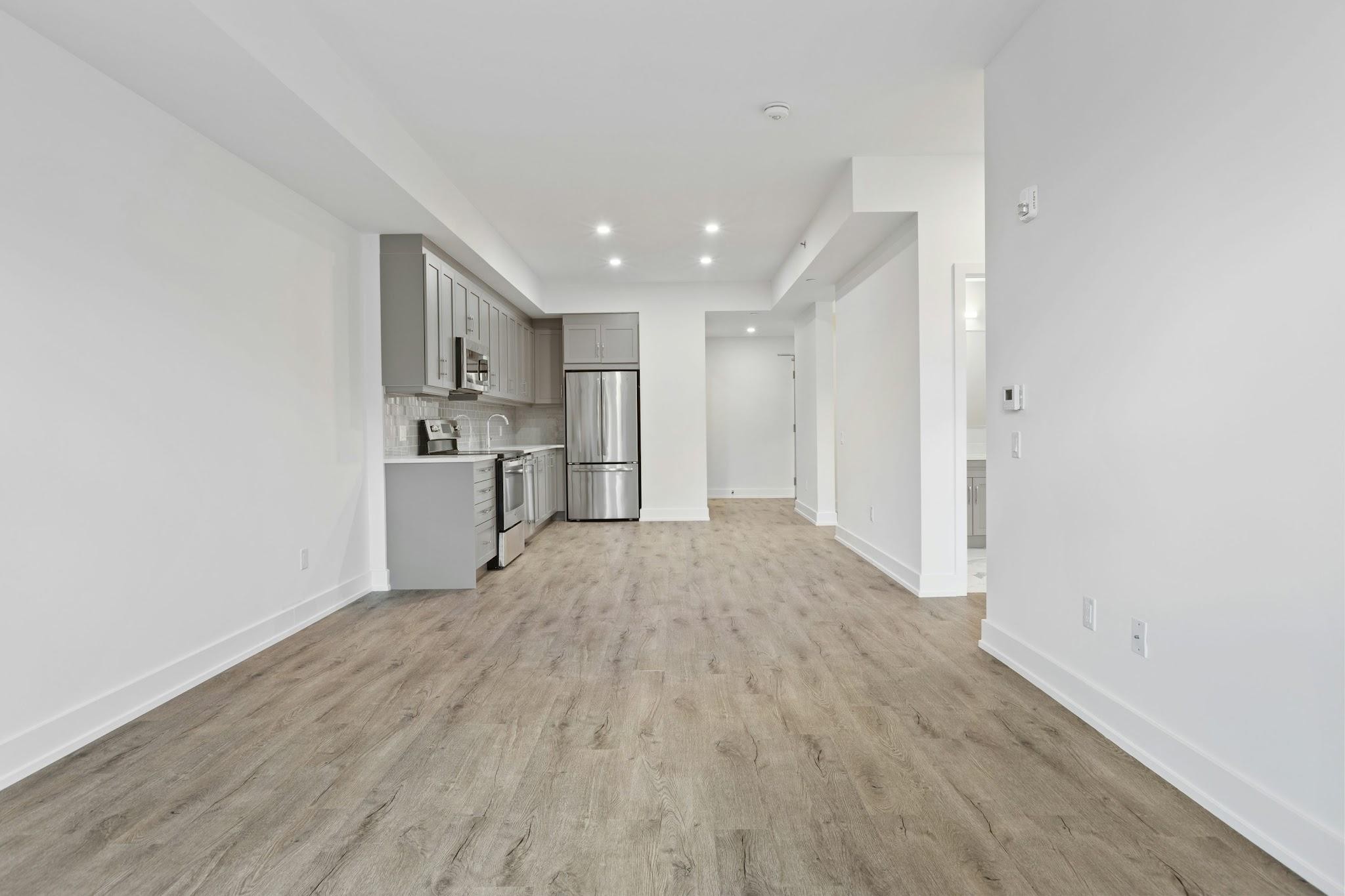
Final Recommendations and Next Steps for Renters and Landlords
Start with the time horizon, since almost everything else follows from that.
If you're staying a few weeks or a few months, choose fully furnished as long as the price is reasonable and the apartment is genuinely move in ready, not just described that way.
If you're staying a year or more and already have your own furniture, semi furnished or unfurnished will likely save you money in the long run.
If you're a renter, compare the total cost rather than just the monthly rent in isolation. Factor in furniture, delivery, storage, setup time, utilities, Wi-Fi, and replacement items over the length of your stay.
If you're a landlord, skip the vague labels entirely. State exactly what's included. Add real photos. Build a proper inventory. Price the apartment based on the actual local rental market, not on guesswork.
For renters looking for furnished apartments in Montréal, Montreal-Aparthotel can help compare furnished short- and mid-term options side by side. For owners, it can help list a furnished apartment in front of people who are already actively looking for temporary furnished stays.
The best choice isn't always fully furnished, semi furnished, or unfurnished by default. The best choice is whichever one actually matches the renter's stay length, budget, lifestyle, and genuine need for convenience.
Add new comment