

When a company sends someone to Montréal for more than a few nights, a hotel is not always the right fit. The employee needs more than a bed and a suitcase stand. They need a kitchen, reliable Wi-Fi, space to work, laundry access, and a place where daily life feels normal.
That is where corporate housing starts to make sense.
Corporate housing in Montreal usually means a furnished apartment or suite used for business travel, relocation, project work, insurance claims, academic visits, or temporary accommodation. It can work for a few weeks, a few months, or longer, depending on the lease terms, building rules, and the rental setup.
For companies, it can reduce the pressure of relocating staff. For employees, it gives time to settle into a new environment before choosing a permanent home. For landlords, it can create demand for a clean, well-located furnished apartment that is ready for extended stays.

Montreal Corporate Housing Overview
Corporate housing is temporary furnished housing for professionals who need more comfort and function than a hotel room usually provides. In Montréal, that can include corporate apartments, serviced apartments, fully furnished apartments, apartment corporate housing, and fully furnished executive apartments in prime locations.
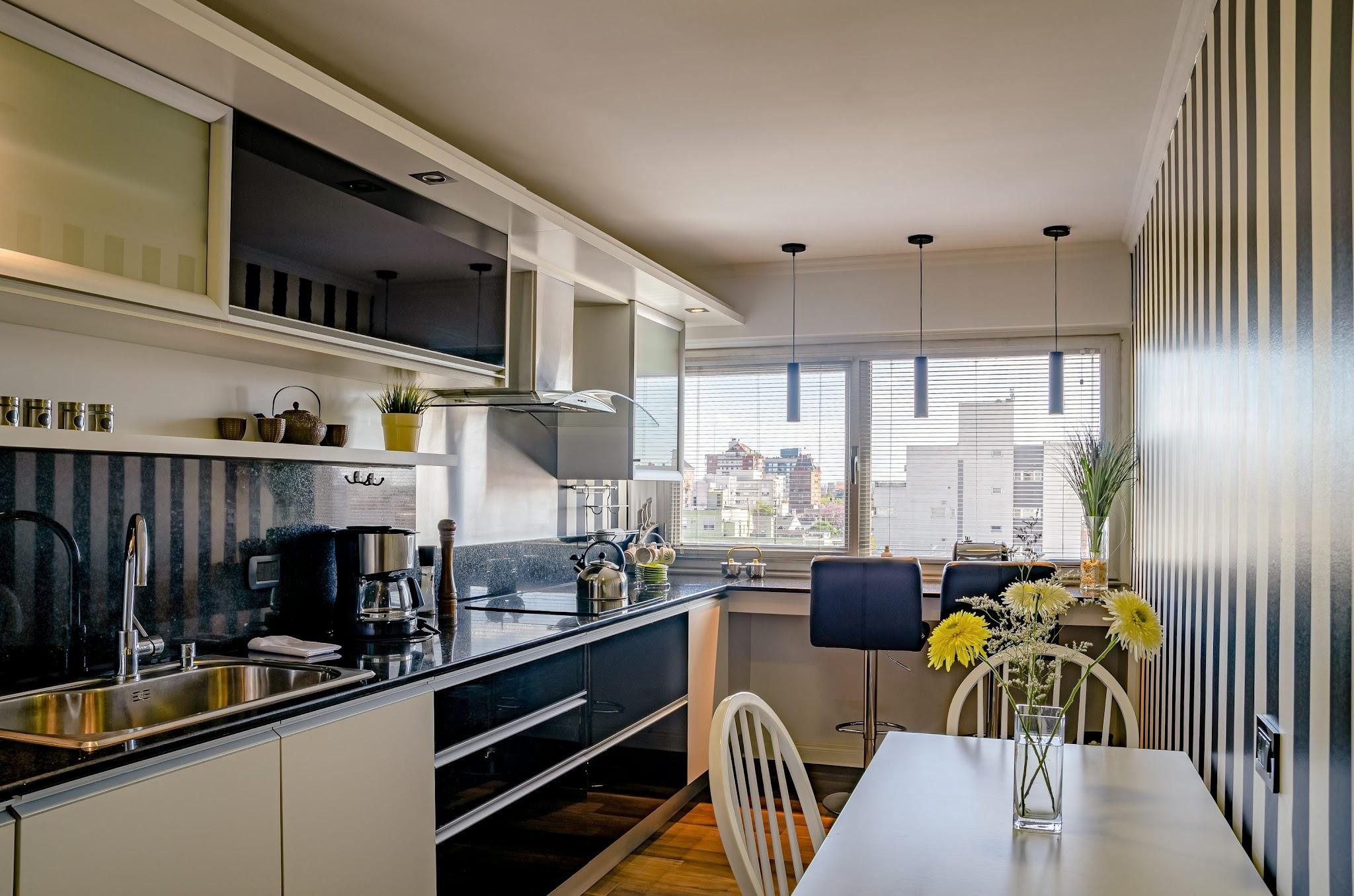
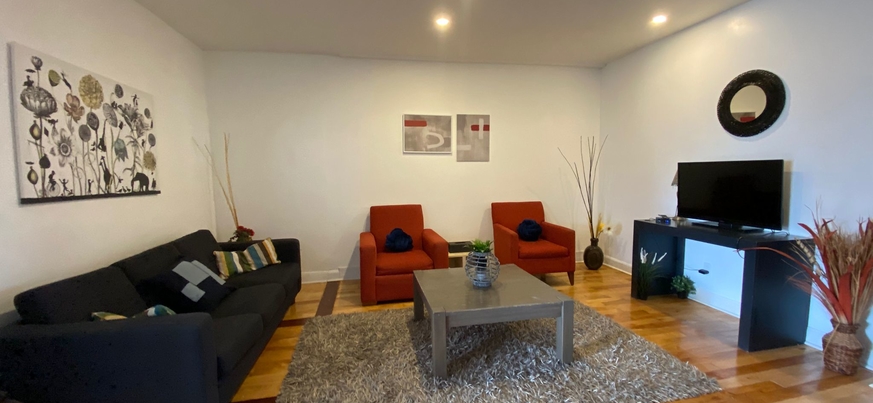
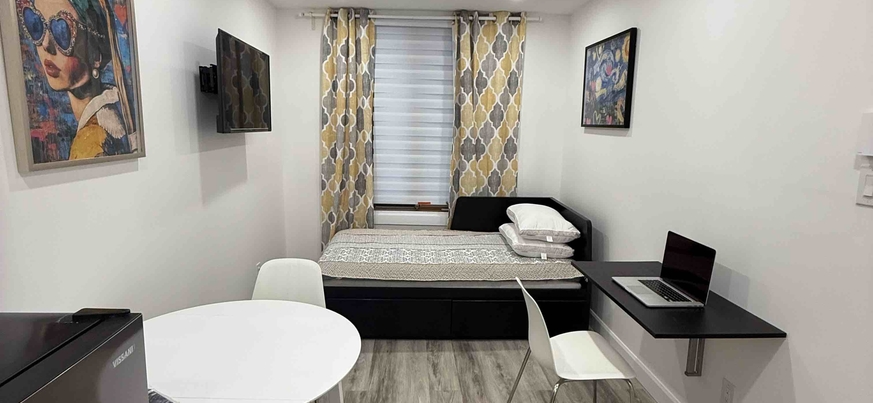
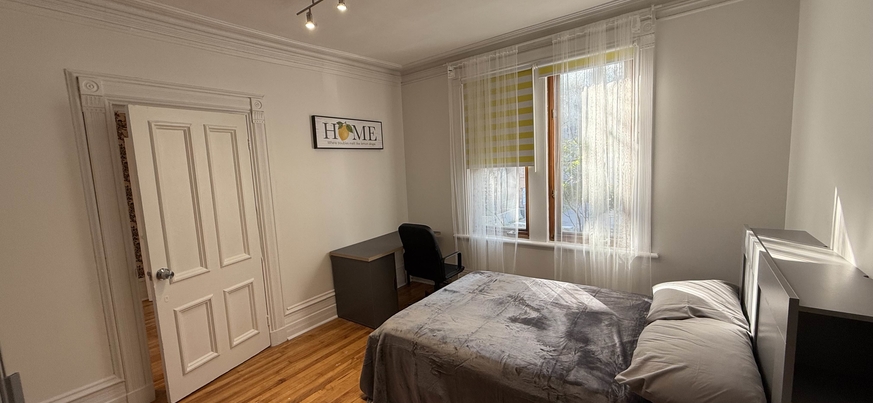
A corporate apartment should be ready for immediate move-in. It should include furniture, a proper bed, a living space, a kitchen, essential amenities, high speed internet or high speed Wi-Fi, and clear arrival instructions. Some corporate housing apartments also include building amenities such as fitness centers, business lounges, parking, or concierge service, depending on the building.
The main users are corporate clients, business travelers, relocating employees, consultants, remote workers, project teams, visiting academics, medical professionals, and people who need a temporary home while dealing with insurance claims or a delayed move.
For longer stays, corporate housing can be more practical than hotel rooms. It usually offers more space, a kitchen, privacy, a dedicated workspace, and a better rhythm for daily life. Monthly rates for corporate housing can also be more cost-effective than extended hotel stays, especially when utilities, internet, furniture, and basic services are included in the price.
In Montréal, companies often look for corporate housing near business hubs, universities, hospitals, the financial district, the downtown core, or areas with easy access to the STM Metro. The STM operates the city's Metro network across the Green, Orange, Yellow, and Blue lines, which makes location and transit access especially important for employees arriving without a car.
Who Uses Corporate Housing in Montréal?
Corporate housing is not only for large companies. It is used by many types of people and organizations that need temporary housing with less friction than a regular rental.
Companies and HR Teams
Companies use corporate housing when they need to bring someone to Montréal without making housing the employee's first problem.
This can include:
-
new hires;
-
transferred employees;
-
executives;
-
consultants;
-
project teams;
-
visiting specialists;
-
employees on temporary assignment;
-
staff waiting for permanent housing.
For HR teams, the goal is simple: the employee should be able to arrive, sleep properly, work, cook, and get around the city without losing days to apartment search stress.
A company may also prefer corporate rentals because monthly billing is easier to plan than separate hotel nights, utilities, furniture, and temporary services. Corporate rentals often include utilities and amenities in the pricing, but companies should always confirm what is actually included before booking.
Relocating Employees
Relocating employees need stability during an unstable period. They may be starting a new job, learning the city, searching for schools, comparing neighbourhoods, or waiting for a long-term lease to begin.
A furnished apartment gives them time. They do not need to buy furniture on the first weekend. They do not need to rush into the first lease they find. They can test the commute, understand Montréal's neighbourhoods, and make a better decision about where to live permanently.
This matters because a poor first housing experience can affect the whole relocation. If the apartment is too far from work, the Wi-Fi is weak, or the kitchen is not usable, the employee starts the new job already frustrated.
Consultants and Project Workers
Consultants and project workers often need housing for a short term project, but the dates can change. A project may last six weeks, then become three months. A team may arrive in stages. A contract may be extended.
That is why flexible lease terms matter. Corporate projects can be unpredictable, so companies should check minimum length, cancellation terms, extension options, and what happens if specific dates change.
For these workers, the best corporate housing is conveniently located, fully equipped, and practical. They need to work, rest, do laundry, cook simple meals, and reach the office or job site without wasting time.
Visiting Academics and Medical Professionals
Montréal has universities, hospitals, research centres, and teaching institutions that attract visiting professors, researchers, fellows, medical staff, and graduate students. These people may need temporary housing for a few weeks, a semester, a rotation, or a research stay.
They often care less about luxury and more about quiet, location, internet, a proper desk, and easy access to transit. A perfect furnished apartment for this group is clean, calm, close to work, and ready for daily life.
Landlords With Furnished Apartments
Landlords with furnished apartments can also benefit from corporate housing demand. A clean, well-located furnished unit may appeal to corporate travelers, relocating professionals, remote workers, and employees who need temporary accommodation in the Montreal area.
But corporate demand does not mean every apartment will work. The unit has to be properly prepared. It needs honest photos, reliable Wi-Fi, a dedicated workspace or usable table, clean furniture, working appliances, clear rules, and professional communication.
A furnished apartment that feels unfinished will not compete well with corporate apartments or serviced apartments.

Corporate Housing vs Hotel: Which Makes More Sense?
A hotel is simple for two or three nights. For a few weeks or a few months, the limits start to show.
Corporate housing offers more space than extended hotel stays. A furnished apartment usually gives the employee a separate living space, a real kitchen, more privacy, and a routine closer to home. For people travelling for work, that can make a big difference.
|
Corporate housing |
Hotel |
|
Better for a few weeks or a few months |
Better for short visits |
|
More space |
Usually one room or one suite |
|
Kitchen or fully equipped kitchen |
Limited food setup |
|
Better for work routines |
Less comfortable for long workdays |
|
More privacy |
More public environment |
|
Monthly pricing may be available |
Nightly pricing is common |
|
Feels closer to daily life |
Feels temporary |
Corporate housing is not always cheaper in every case. A luxury corporate suite in downtown Montreal may cost more than a basic hotel room. But for extended stays, monthly rates can be more cost-effective when you consider food, laundry, workspace, utilities included, and the employee's comfort.
For business travelers, the question should not be only "What is the nightly rate?" It should be "Can this person live and work here properly for the whole stay?"
Corporate Housing vs Regular Rental
Corporate housing is also different from a regular rental.
A regular rental is often unfurnished, tied to a longer lease, and designed for someone who wants to settle permanently. The tenant may need to arrange furniture, utilities, internet, moving services, and household basics.
Corporate housing is meant to reduce that setup work. It is usually furnished, equipped, and prepared for temporary living.
|
Corporate housing |
Regular rental |
|
Fully furnished |
Often unfurnished |
|
Useful for temporary accommodation |
Better for permanent housing |
|
Often includes utilities and internet |
Utilities may be separate |
|
Flexible lease terms may be available |
Usually longer commitment |
|
Used by companies and relocating employees |
Usually rented directly by tenants |
|
Move-in ready |
Tenant sets up the home |
Long term rentals still make sense when someone is ready to settle. Corporate housing works best before that point: during relocation, project work, business travel, insurance displacement, or the first months in a new city.
Booking Process for Corporate Clients
A good corporate housing booking process should be clear from the first inquiry. Companies do not want confusion about dates, guest counts, billing, access, or what is included.
Inquiry and quote workflow
The company or employee should provide:
-
arrival date;
-
departure date or expected stay length;
-
number of guests;
-
preferred neighbourhood;
-
workplace or office location;
-
parking needs;
-
pet policy needs;
-
budget;
-
required amenities;
-
whether the stay may be extended.
The provider should then confirm availability, suggest suitable apartments, and provide a pricing estimate based on the specific dates and length of stay.
Corporate billing and contract information
Corporate clients may need:
-
company billing details;
-
invoice requirements;
-
contract name;
-
guest name;
-
payment schedule;
-
approval process;
-
cancellation terms;
-
extension policy;
-
responsibility for damages or maintenance issues.
This should be discussed early. Corporate travel often involves more than one decision-maker, and delays can cause the best apartments to disappear.
Move-in coordination and key handover
Move-in coordination matters, especially for business travelers arriving after a flight or a long drive.
Before arrival, confirm:
-
exact address;
-
check-in time;
-
key handover method;
-
building access;
-
parking instructions;
-
Wi-Fi details;
-
emergency contacts;
-
appliance instructions;
-
garbage and recycling schedule;
-
local calls, if a landline or calling service is included.
A smooth arrival is not about using polished words like "seamless transition." It is about the basics being ready: keys work, the apartment is clean, Wi-Fi connects, and the employee knows who to contact if something goes wrong.
Reserve and Complete Booking for Extended Stays
For extended stays, the booking should be handled with more care than a weekend reservation.
Start with the stay dates and guest count. A company should be clear about who will live in the apartment, whether family members are joining, and whether the dates are fixed or flexible.
Next, prepare an all inclusive pricing estimate. This should show what is included: monthly rent, furniture, utilities, high speed internet, cable TV if offered, parking if available, cleaning if included, and any building amenities. Do not assume that every corporate rental includes the same services.
Then confirm lease terms for extended stays. Corporate rentals typically span a few months to a year, but not every apartment or building allows the same flexibility. Check minimum length, renewal options, early departure terms, and rules for extending the stay.
In Montréal, short term rentals and furnished rentals can fall under different rules depending on length, use, building type, and location. Tourist rentals of a principal residence for 31 days or less are regulated by the City of Montréal and are only allowed from June 10 to September 10 with a host permit and required criteria. For many business stays, a 31+ night furnished stay is easier to plan, but owners and companies should still check local regulations, condo rules, insurance, and lease terms.
Why Companies Use Corporate Housing in Montréal
Companies use corporate housing because relocation and business travel are easier when employees have a real place to live.
Corporate housing can help companies:
-
support employees during relocation;
-
reduce hotel dependence for long term stays;
-
provide more space for employees travelling with family;
-
make project work easier to manage;
-
create predictable monthly housing costs;
-
reduce meal costs by offering a kitchen;
-
help employees focus on work sooner;
-
give new hires time to search for permanent housing.
Some relocation content claims that 40% of long-term rentals are occupied by relocated employees. That number may appear in industry discussions, but companies should treat it as a broad market idea, not a Montréal-specific fact. What is clear is that relocated employees are a real part of furnished rental demand, especially in large cities with business hubs, universities, hospitals, and international hiring.
Corporate housing in Montreal is also useful because the city is not one single business zone. The right location depends on the employee's office, hospital, campus, project site, or commute. Downtown Montreal, Old Montreal, Griffintown, the Golden Square Mile, and areas near Metro lines can all make sense for different stays.
What Relocating Employees Need Most
Relocating employees need housing that makes the first weeks easier, not more complicated.
They usually need:
-
a furnished apartment ready for arrival;
-
high speed Wi-Fi;
-
a dedicated workspace or proper table;
-
a comfortable bed;
-
a fully equipped kitchen;
-
laundry access;
-
storage;
-
grocery stores nearby;
-
easy access to transit;
-
clear building rules;
-
emergency contacts;
-
honest information about the neighbourhood.
The apartment does not need to feel like a hotel. It needs to feel usable.
A person starting work in a new city needs sleep, quiet, internet, and a manageable commute. If they have a family, they may also need more space, schools nearby, parks, and a calmer residential area. If they are alone on a short term project, downtown core access may matter more.
Best Montréal Areas for Corporate Housing
There is no single best neighbourhood for corporate housing in Montreal. The best choice depends on work location, lifestyle, budget, and length of stay.
Downtown Montreal
Downtown Montreal is useful for business travelers who want to stay close to offices, universities, shopping, restaurants, and the financial district. It can work well for employees without a car because transit access is strong and many services are within walking distance.
Golden Square Mile
The Golden Square Mile is central, established, and close to downtown institutions, offices, McGill University, museums, and higher-end residential buildings. It can suit executives, visiting professionals, and people who want a central location with a more polished residential feel. Montréal's tourism site describes the Golden Square Mile as a central area with a historic reputation for prestige and elegance.
Old Montreal
Old Montreal offers historic streets, restaurants, offices, and proximity to the financial district and central business areas. It can suit executives, consultants, and business travelers who want character and central access. It may not be the best fit for every employee with a car, so parking should be checked carefully.
Griffintown
Griffintown is a modern area with many newer condo buildings, restaurants, gyms, and access to downtown. It is popular with professionals and can suit employees working near tech, finance, design, or central business zones.
Quartier des Spectacles
Quartier des Spectacles can work for people who want central access, arts, culture, universities, and events nearby. It is active and urban, so it suits some employees better than others.
Plateau-Mont-Royal and Mile End
Le Plateau-Mont-Royal and Mile End are known for culture, cafés, independent shops, and a more local Montréal feel. These areas can suit academics, creative workers, tech professionals, remote workers, and people who want a walkable neighbourhood rather than a corporate tower setting.
Westmount and Nuns' Island
Westmount and Nuns' Island are residential, calmer, and often preferred by families or executives who want quieter surroundings with access to downtown. They can work well for longer relocation stays, especially when schools, parks, or more residential comfort matter.
What Companies Should Check Before Booking Corporate Housing
Before booking corporate housing apartments, companies should look beyond photos.
Check:
-
exact location;
-
commute time;
-
Metro or parking access;
-
high speed internet;
-
workspace;
-
guest count;
-
bedroom count;
-
laundry;
-
kitchen equipment;
-
utilities included;
-
minimum length;
-
lease terms;
-
cancellation terms;
-
extension options;
-
cleaning rules;
-
emergency contact;
-
maintenance process;
-
building amenities;
-
pet policy;
-
insurance or responsibility for damages;
-
invoice and payment setup.
Popular amenities may sound attractive, but they should match the employee's real life. Fitness centers, business lounges, rooftop terraces, and premium furnishings are nice, but they do not replace a quiet bedroom, working appliances, a clean bathroom, and reliable Wi-Fi.
The lowest price is not always the best choice. A cheaper apartment with a bad commute can cost the employee time every day.
What Landlords Should Know About Corporate Housing Demand
Corporate renters often have different expectations from tourist guests.
They usually care about:
-
cleanliness;
-
location;
-
Wi-Fi;
-
workspace;
-
quiet;
-
good mattress;
-
fully equipped kitchens;
-
clear instructions;
-
working appliances;
-
honest photos;
-
clear house rules;
-
professional communication;
-
easy move-in.
Landlords should not price a corporate apartment like nightly tourism. For a few months, renters compare value differently. They look at monthly rent, utilities included, location, comfort, and whether the apartment supports work and daily life.
Corporate clients may also ask more detailed questions before booking. That is normal. They may need contract information, billing details, insurance clarity, or written confirmation of what is included.
A landlord who responds clearly and quickly has an advantage.

How to Prepare a Furnished Apartment for Corporate Housing
A furnished apartment for corporate housing should be ready for real use, not just staged for photos.
Start with the basics:
-
clean bedroom;
-
proper mattress;
-
fresh bedding;
-
comfortable seating;
-
table or desk;
-
good lighting;
-
reliable high speed Wi-Fi;
-
kitchen basics;
-
cookware;
-
dishes;
-
towels;
-
storage;
-
laundry information;
-
heating and cooling instructions;
-
emergency contacts.
If the apartment is marketed as work-friendly, provide a dedicated workspace or at least a proper table and chair. A laptop on a coffee table is not enough for a person working full days.
Keep the décor neutral and practical. Premium furnishings can help, but durability matters more. Remove personal items, clutter, fragile decorations, and anything you would worry about losing.
Create an inventory. Include furniture, linens, kitchen items, appliances, keys, fobs, and condition photos. This helps reduce disputes and makes turnover easier after each stay.
How Montreal-Aparthotel Helps With Corporate Housing in Montréal
Montreal-Aparthotel helps people find furnished apartments for short- and mid-term stays in Montréal. It also helps owners list furnished apartments and reach people already searching for temporary furnished housing.
For companies, Montreal-Aparthotel can be useful when a hotel is not the right fit for an employee staying several weeks or a few months. Companies can look for apartment options with more space, daily comfort, and a better setup for work routines.
For relocating employees, it can help bridge the first stage of the move. A furnished apartment gives them time to learn the city, compare neighbourhoods, and continue their permanent apartment search without rushing into the wrong lease.
For landlords, Montreal-Aparthotel offers a way to show suitable furnished apartments to renters looking for short- and mid-term stays. It is not a property management company and should not be presented as one. Owners still need to prepare the unit, keep it accurate, handle their responsibilities, and decide whether they need separate property management support.
The best fit is a furnished apartment that is clean, well-located, fully equipped, honestly described, and ready for daily life.
Corporate Housing Checklist
|
For Companies |
For Employees |
For Landlords |
|
Confirm budget |
Check commute |
Prepare a furnished apartment |
|
Confirm availability |
Test neighbourhood fit |
Take clear photos |
|
Review stay dates |
Confirm Wi-Fi |
Provide inventory |
|
Check lease terms |
Look for workspace |
Test appliances |
|
Ask about billing |
Check laundry |
Write clear rules |
|
Confirm utilities included |
Review daily services nearby |
Keep communication professional |
|
Check parking needs |
Confirm grocery stores nearby |
Explain what is included |
|
Ask about emergency contacts |
Check transit access |
Prepare move-in instructions |
|
Review cancellation terms |
Confirm building rules |
Keep the unit move-in ready |
Pricing, Contracts, and Flexible Lease Terms for Business Travellers
Pricing for corporate housing should be clear from the start.
Many corporate rentals use all inclusive pricing, which may include monthly rent, furniture, utilities, internet, basic amenities, and sometimes cleaning or parking. But "all inclusive" should never be assumed. Ask what is included and what is extra.
For business travellers, flexible lease terms are important because work dates change. A short term project may become longer. A relocating employee may find permanent housing earlier than expected. A consultant may need to extend by a month.
Before booking, confirm:
-
minimum length;
-
monthly rate;
-
what utilities are included;
-
high speed internet;
-
parking cost;
-
cleaning cost;
-
extension terms;
-
early departure rules;
-
cancellation policy;
-
guest rules;
-
pet policy;
-
responsibility for maintenance issues;
-
payment schedule;
-
contract name and billing details.
Deposit policies need special care in Québec. For residential leases, the Tribunal administratif du logement says a lessor cannot require additional amounts such as a security deposit or key deposit, and cannot require more than the first rent payment period in advance. Corporate agreements can vary depending on the structure of the arrangement, but companies and landlords should not copy deposit language from Toronto corporate housing, corporate housing Toronto pages, corporate housing in Toronto listings, or downtown Toronto rental templates without checking Québec rules.
This is also why written terms matter. The contract should clearly explain rent, dates, inclusions, access, maintenance, cancellation, and what happens if the stay changes.

Conclusion
Corporate housing in Montreal works best when it is practical. Companies need reliable temporary housing. Employees need a place where daily life is manageable. Landlords need serious renters who understand the value of a clean, furnished, move-in-ready apartment.
A good corporate apartment does not need to be complicated. It needs the right location, reliable internet, a proper bed, a usable kitchen, clear rules, and enough comfort for someone to work and live there for a few weeks or a few months.
For companies and relocating employees, Montreal-Aparthotel can help with furnished apartment options for short- and mid-term stays in Montréal. For landlords, it offers a way to list furnished apartments in front of people already looking for temporary furnished housing.
FAQ
What is corporate housing in Montreal?
Corporate housing in Montreal is furnished temporary housing for business travelers, relocating employees, consultants, project workers, executives, visiting professionals, and others who need a place to stay for several weeks or months.
Is corporate housing cheaper than a hotel?
For longer stays, corporate housing can be more cost-effective than hotel rooms because it often provides more space, a kitchen, laundry access, utilities, and monthly pricing. For very short stays, a hotel may still be simpler.
What is included in corporate housing?
Corporate housing often includes furniture, kitchen equipment, utilities, high speed internet, bedding, towels, and basic household items. Some apartments also include parking, cleaning, fitness centers, business lounges, or other building amenities, but inclusions vary.
How long do corporate rentals usually last?
Corporate rentals typically last from a few weeks to a few months. Some stays may extend toward a year, depending on the project, relocation timeline, lease terms, and apartment availability.
Is corporate housing the same as serviced apartments?
They are related, but not always the same. Serviced apartments may include more hotel-style services, while corporate housing can simply mean a furnished apartment prepared for business or relocation stays. Always check what services are included.
Which Montréal areas are best for corporate housing?
Key neighbourhoods for corporate housing include Downtown Montreal, Griffintown, Old Montreal, the Golden Square Mile, Quartier des Spectacles, Plateau-Mont-Royal, Mile End, Westmount, and Nuns' Island. The best area depends on the employee's work location, commute, budget, and stay length.
Can landlords list furnished apartments for corporate housing?
Yes. Landlords with clean, furnished, well-located apartments can list them for short- and mid-term furnished stays. The apartment should have clear photos, reliable Wi-Fi, a proper workspace, an inventory, and accurate rental terms.
Does Montreal-Aparthotel manage corporate apartments?
Montreal-Aparthotel is not a full property management company. It helps people find furnished apartments for short- and mid-term stays and helps owners list suitable furnished apartments in Montréal.
Are 31+ night stays easier to plan than nightly rentals?
Often, yes. A 31+ night furnished stay usually means fewer check-ins, fewer cleanings, and a more residential rhythm. Owners should still check local regulations, insurance, condo rules, and lease terms before listing.
What should companies confirm before booking?
Companies should confirm stay dates, guest count, price, included utilities, internet, workspace, parking, lease terms, cancellation rules, payment process, emergency contact, and whether the apartment fits the employee's daily needs.
Add new comment