
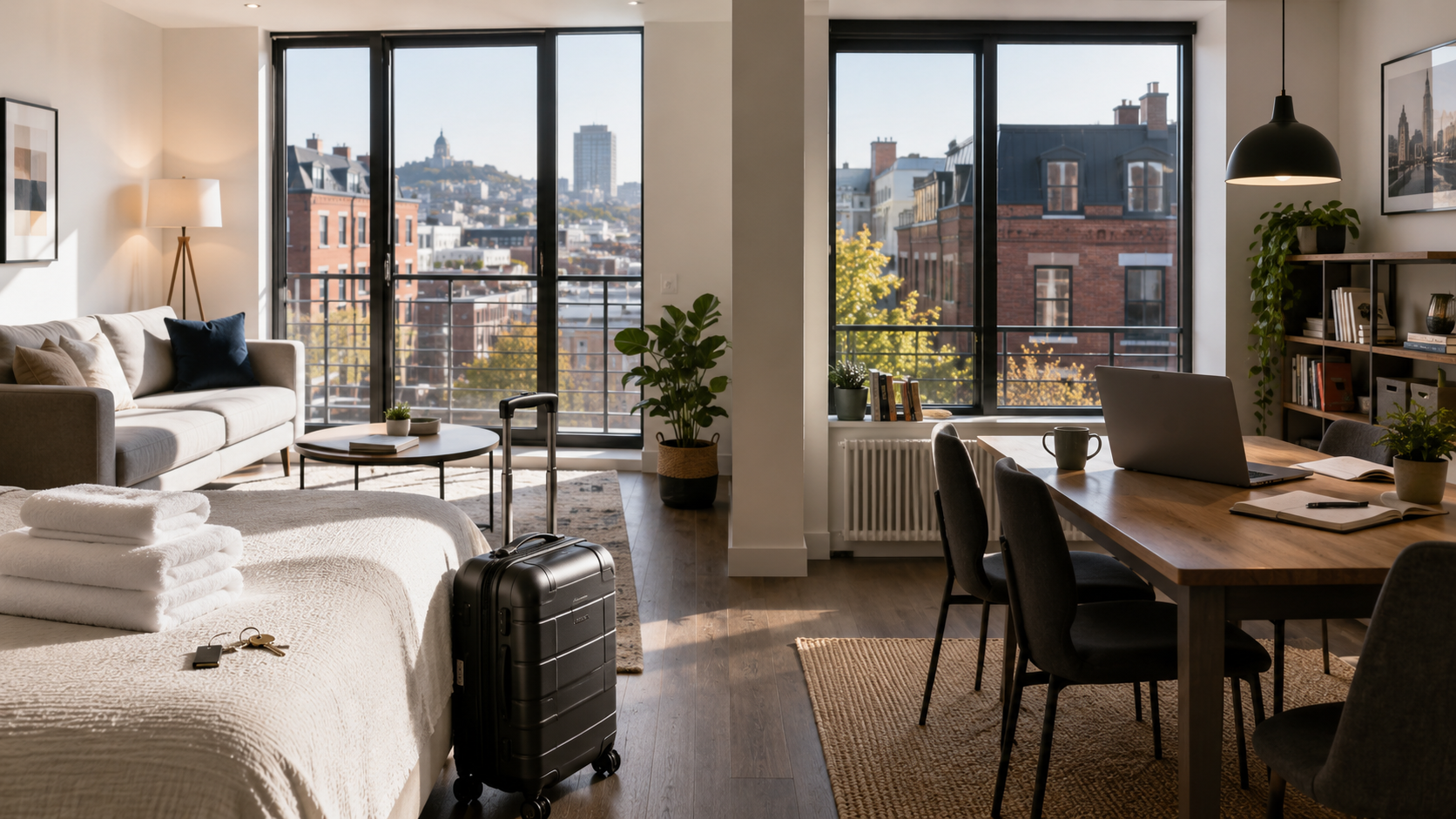
If you own a furnished apartment in Montreal and you're wondering how to make it earn money without it turning into a second job, you're probably weighing two options: short-term rentals like Airbnb, or monthly stays of 31 days or more. They look similar on the surface — same furnished unit, same goal of generating rental income — but the day-to-day reality, the legal exposure, and the kind of tenants you attract are completely different.
Here's what that difference actually looks like in 2026.
How Montreal's Short-Term Rental Rules Changed Everything
Until 2023, running an Airbnb on a secondary property in Montreal was common enough. It was complicated and competitive, but it worked. That changed.
In 2023 and 2025, Montreal introduced some of the strictest short-term rental regulations in the world, dramatically limiting when and how property owners can rent for stays under 31 days. As of 2026, short-term rentals in residential areas are only permitted between June 10 and September 10 — a roughly three-month window. Outside that period, renting your unit nightly or weekly in a residential zone is prohibited. Only your principal residence can be used for short-term tourist rental under the general rules.
Hosts who want to offer a secondary property for short stays under 31 days outside that seasonal window must obtain a certificate of occupancy from their borough — and this is only permitted in certain commercially zoned areas of Montreal, not residential ones.
The enforcement is real: Montreal inspectors can now issue $1,000-per-day fines directly to property owners who break the rules, with additional fines of $2,000 per day for repeat violations. And the city has significantly expanded its enforcement team.
The practical impact for most condo owners: if your unit isn't your primary home, legal short-term rental management in Montreal has essentially become a seasonal business — three months of legal operation per year, with commercial-zone requirements attached. For many owners, that's no longer a viable model.
This is the context in which mid-term rental management starts making real sense.
What Mid-Term Rental Management Actually Looks Like
A mid-term rental — typically 31 nights or longer — operates under an entirely different legal framework. Once a stay crosses the 31-day threshold, it falls under Quebec's standard residential tenancy rules rather than the Tourist Accommodation Act and CITQ registration requirements. You don't need a seasonal permit. You don't need a classification certificate. You don't face the same rental regulations in Montreal that apply to nightly stays.
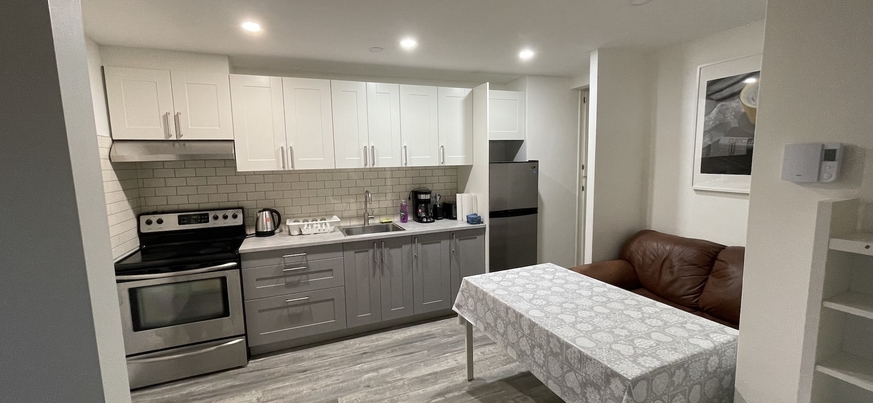
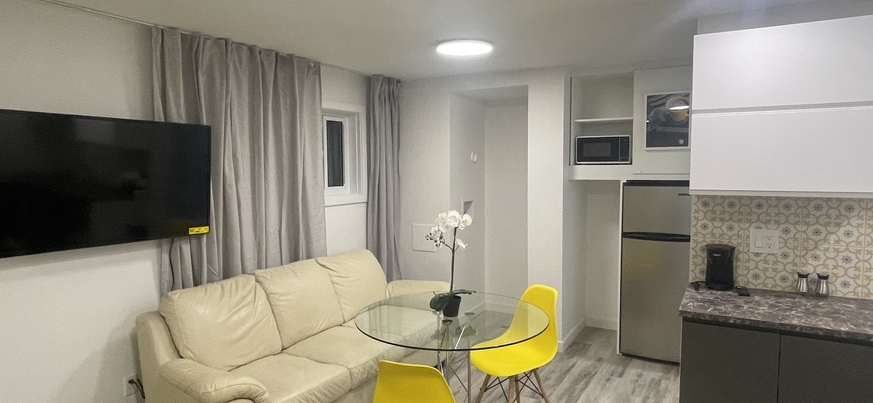
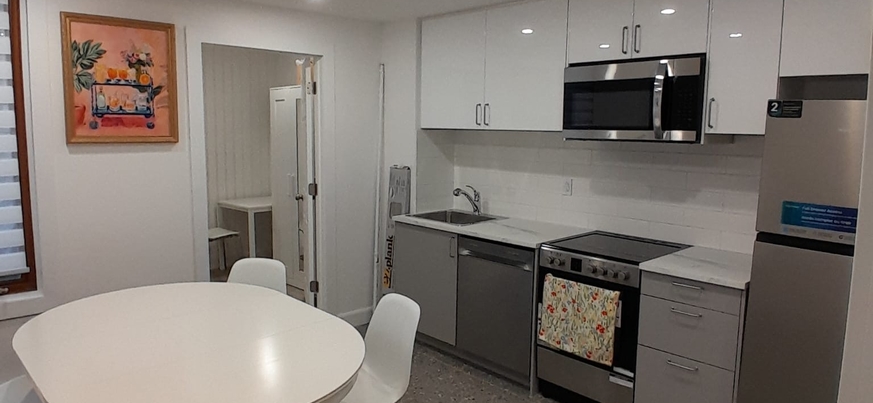
What you do need is a furnished unit that meets the expectations of the people who book this way. The tenants in the mid-term rental market aren't tourists looking for a weekend getaway. They're relocating professionals, corporate clients, international students starting a semester, people in between housing situations, or remote workers who want to live like a local for a month or two. They expect a move-in ready space with a proper kitchen, working laundry, reliable Wi-Fi, and enough comfort to actually live in — not just sleep in.
The check-in and check-out process is simpler than Airbnb: one arrival, one departure, usually months apart. The cleaning between stays is one deep clean per tenancy rather than multiple turnovers per week. Guest communication during the stay tends to be minimal — people who plan to live somewhere for 60 days are less likely to message at midnight about the coffee maker.
The key operational shift: you're managing a tenancy, not a hospitality service.
The Income Comparison: More Predictable, Often Competitive
The common assumption is that short-term rentals earn more. Over a fully booked summer in a tourist-heavy neighbourhood, that can be true. But the realistic comparison is more nuanced than peak-season gross figures suggest.
Short-term rental management in Montreal at full tilt involves constant pricing strategy adjustments, multiple cleanings per week, restocking consumables, handling guest communication around the clock, dealing with vacancy periods when no guest is booked, and navigating platform commissions that typically run 15–20% of revenue. If you hire a rental management company in Montreal to handle all of this, that's another 20–30% off the top.
Add the seasonal restriction: legally, the Airbnb model in a residential Montreal property only runs for three months. The other nine months, the unit either sits empty, earns a long-term lease income, or transitions to mid-term stays.
Monthly rental income from a well-positioned furnished unit in downtown Montreal or near a metro station runs somewhere between $2,000–$3,500 per month for a one- or two-bedroom, depending on size, condition, and location. It's less volatile than nightly rates, and there's no platform fee eating into it if you manage the rental listing directly or through an operator who works without commission. Vacancy periods are shorter because the tenant profile — someone relocating for work, an expat joining a company in Montreal, a professional on a corporate stay — tends to book in advance and stay for the full committed period.
The comparison isn't always "more money vs less money." It's often "higher ceiling with higher effort and legal risk" against "stable monthly income with significantly lower overhead."
What Owners Get Wrong About Both Models
On the short-term side: Many owners underestimate the compliance burden. CITQ registration, borough zoning verification, Quebec rental rules around tourist accommodation, and active enforcement mean the risk of an unregistered listing is no longer theoretical. Fines for illegal short-term rental operations in Montreal can reach $50,000 for hosts and $100,000 for platforms. If your unit is a secondary property in a residential zone, the legal path to year-round short-term rental operation in Montreal is genuinely narrow.
On the mid-term side: Owners sometimes treat 31-day stays as simply a loophole around the short-term rules, and set up the unit with minimal care. That doesn't work. Tenants who are digital nomads, corporate travelers, or people relocating to Montreal have real alternatives and real expectations. A furnished unit that looks like a hotel afterthought doesn't compete. Professional photos, a proper furniture rental setup, a well-stocked kitchen, and an inventory checklist for each arrival aren't optional — they're what determines whether the unit gets booked consistently or sits empty.
On both models: Owners underestimate tenant screening or guest screening. For monthly stays, this matters a lot. The person moving in will be there for 60 or 90 days. A basic screening process — verifying employment, checking references, confirming the purpose of the stay — reduces the risk of problems significantly. Damage deposits are standard ($300–800 is typical for a furnished unit in Montreal), and a clear lease agreement protects both sides.
On property care: Both models create wear. Short-term rentals create high-frequency turnover wear. Mid-term tenants create slower but cumulative wear over a longer continuous stay. Neither model lets you skip maintenance.
How to Choose the Right Approach for Your Property
A few questions help clarify which model fits:
- Is your unit your principal residence or a secondary property? If secondary, the legal path to legal short-term rental is restricted to commercial zones or the June–September window. Mid-term is the cleaner option almost everywhere else.
- How much time can you actually give this? A properly run Airbnb — even a seasonal one — takes significant time during peak months. Mid-term management involves much less ongoing communication and logistics.
- Who lives near the unit? Condo boards and neighbours tend to tolerate monthly tenants considerably better than a constant rotation of weekend guests. Building rules and condo rental rules around short-term use are increasingly strict in Montreal buildings.
- What's your financial goal? If maximum peak-season revenue is the priority and you have the compliance infrastructure in place, short-term can outperform in summer. If you want steady rental income with lower operational cost year-round, mid-term is usually the better structure.
For owners who want rental income without becoming a full-time property manager, Montreal Aparthotel works directly in the mid-term space — fully furnished apartments managed from listing to occupancy, with a real person available seven days a week rather than a ticketing system. They've been in this market for over a decade, working with owners who want their units occupied by stable, screened tenants — relocating professionals, expats, and long-stay guests — without handling the process themselves. No commission model, no hidden fees. If you're weighing your options,
it's worth a conversation:
- +1 438-838-8833
- info@montreal-aparthotel.com

The Bottom Line
Rental management in Montreal in 2026 looks different than it did three years ago. The regulatory shift around short-term stays has pushed more owners — and more renters — toward the mid-term model, and the demand on that side is real. Remote workers, business travelers, people arriving for relocation housing or temporary accommodation while they find something permanent — that pool of tenants is growing, and they need monthly furnished apartments that are actually liveable.
Neither model is automatically right. But the rental property management decision is cleaner once you understand the legal landscape, the real income math, and the time commitment attached to each path. The owners who do it well in Montreal in 2026 are the ones who made that choice clearly rather than defaulting to whichever model they heard about first.
Add new comment