
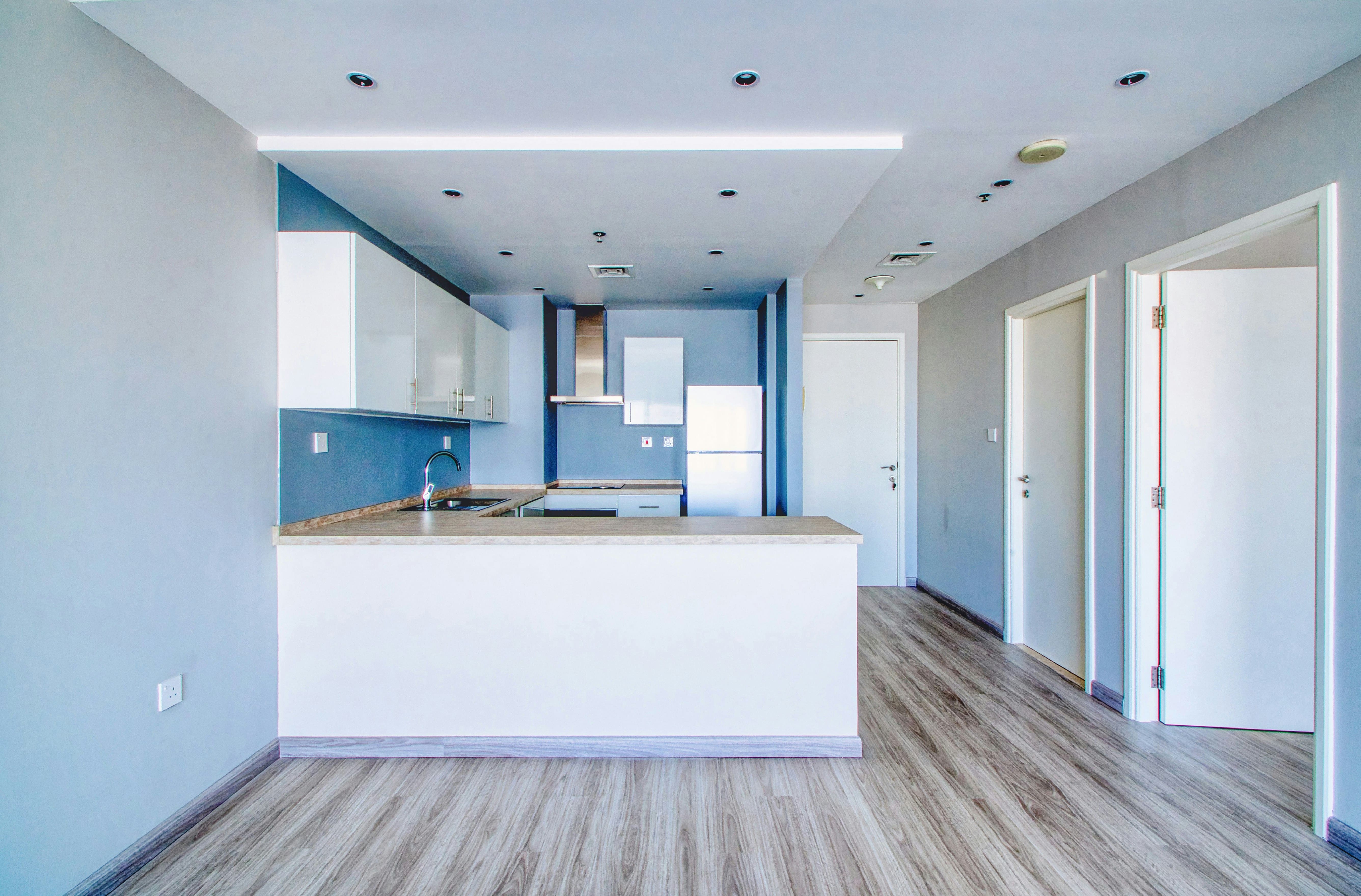
Renters ask this all the time: can I renovate a rental apartment in Montreal—paint the walls, change floors, swap fixtures, upgrade the kitchen? The short version is simple: you can usually handle small, reversible changes, but anything that alters the rental unit (or the entire building) needs clear permission, ideally in writing. If you skip that step, you can end up paying to restore the unit, losing your deposit alternatives (Québec doesn’t use them the same way), or getting pulled into a dispute with the Tribunal administratif du logement.
This guide covers what’s typically “safe,” what usually needs approval, and how to ask in a way that actually gets a “yes.”
First, Know What “Renovation” Means in a Rental
In rental terms, “renovation” is anything beyond normal living or minor maintenance. That includes:
-
Cosmetic changes (like a fresh coat of paint)
-
Installing/removing fixtures
-
Flooring changes (even peel-and-stick can count as an alteration)
-
Any work involving plumbing, electrical, walls, or cabinetry
-
Anything that affects future tenants or the building’s condition/value
Some “upgrades” feel small to a renter, but a landlord may see them as major work because reversing them costs money.
The Rule of Thumb in Montreal Rentals
A practical rule that keeps you out of trouble:
If it leaves a mark, changes a permanent surface, or requires a contractor, get permission first.
Most landlords aren’t against improvements. They’re against surprises, liability, and restoration costs—especially when they’re thinking about future tenants.
What You Can Usually Do Without Asking (Low-Risk Upgrades)
Small holes & hanging
You can usually hang things—within reason.
-
Picture hooks, small nails, small anchors: typically fine
-
TV mounts or heavy shelving: ask first (bigger holes, higher risk)
-
When you leave: patch holes and touch up so walls are in good shape
“Non-permanent” changes
These tend to be the safest improvements because they’re reversible.
-
Rugs and runners
-
Curtains (using existing rods/holes when possible)
-
Removable wallpaper (test first; some still peel paint)
-
Peel-and-stick tiles as a temporary look (but see the floors section)
Lighting and fixtures (safe approach)
-
Replacing light bulbs: always fine
-
Swapping a lampshade or using plug-in lighting: fine
-
Changing a ceiling light, hardwired fixture, dimmer switch: ask first
(Electrical work is where renters get into expensive problems fast.)
Painting a Rental in Montreal: When It’s OK, When It’s a Problem
“Can I paint my rental apartment?”
In practice, painting a rental apartment is sometimes allowed, but not guaranteed. The biggest issues are colour choice and restoration.
What usually goes smoothly:
-
Neutral colours (think off white, warm white, light grey)
-
One room, clean edges, quality paint
-
Agreement about whether you must repaint before move-out
What often becomes a problem:
-
Dark colours (harder to cover)
-
“Statement” walls without approval
-
Painting trim, doors, cabinets without permission
-
Sloppy work that lowers the unit’s “move-in ready” feel
The practical landlord deal
Many renters get approval by offering one of these:
-
“I’ll paint it a neutral colour and leave it.”
-
“I’ll paint, and I’ll repaint to the original colour when I leave.”
-
“You pick the colour, I’ll pay the paint and do the work.”
That’s usually more attractive than asking for a bold colour and hoping the landlord “doesn’t mind
Quick permission template
Send this as a text or email, then keep the reply:
Hi [Landlord name], I’d like to repaint the [room] in my apartment at [address]. I’m proposing [colour name / neutral off-white] and I’ll use quality paint and do clean edges. Please confirm you approve this change and whether you want me to repaint back to the original colour when I move out. If you’d like, I can share a photo/sample before I start. Thank you.
(If they say yes, ask them to confirm the colour and the “repaint or not” part in the same message.)
Floors: Peel-and-Stick vs Replacing Flooring
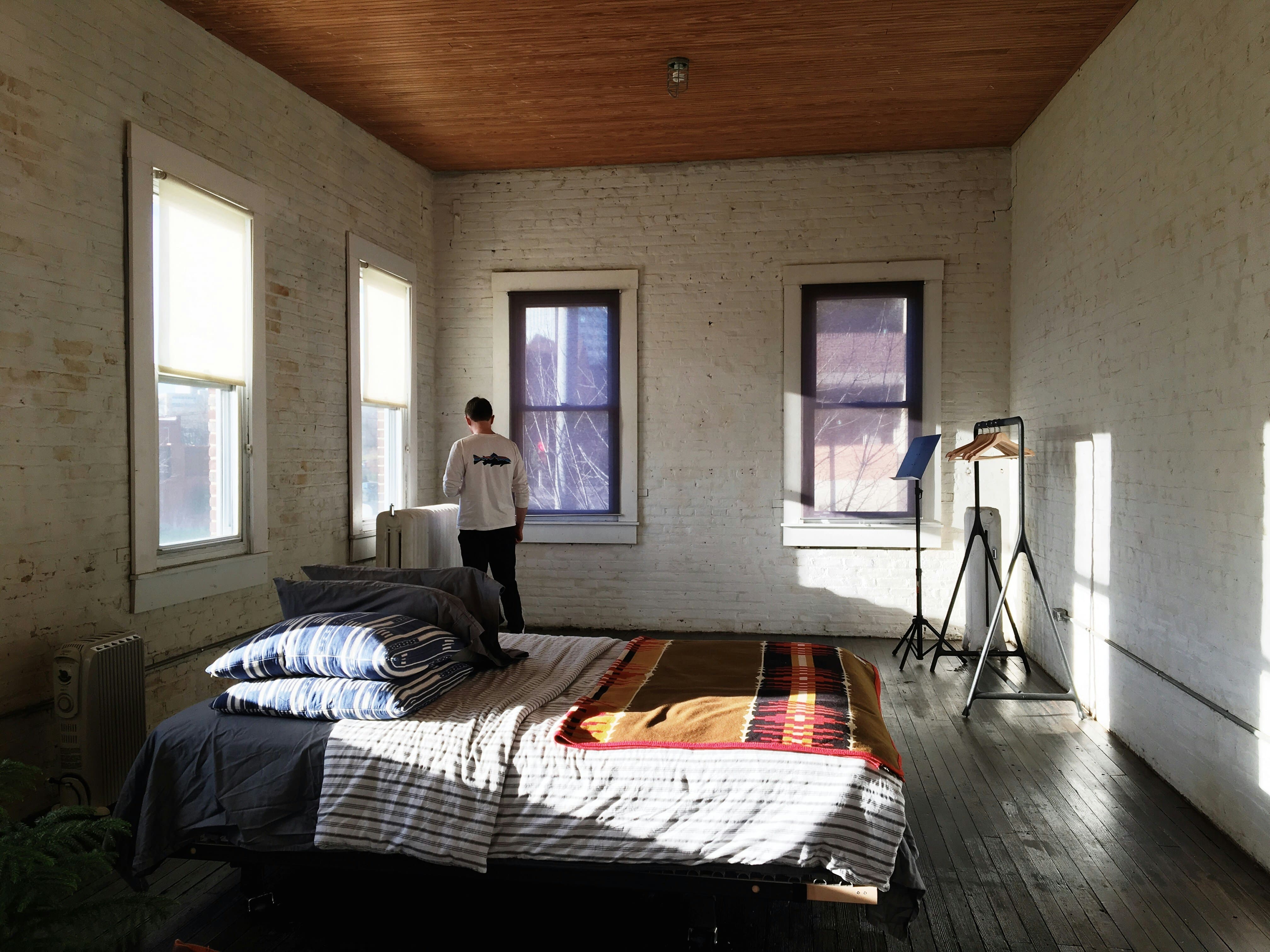
Flooring is a big deal because it’s expensive to restore.
Peel-and-stick / temporary flooring
-
Some renters use peel-and-stick vinyl or floor tiles to cover ugly floors.
-
Risk: adhesive residue, bubbling, moisture trapping, damage on removal.
-
Best move: ask permission, especially if it’s going directly onto wood, older vinyl, or uneven surfaces.
Replacing flooring
-
This is almost always written permission territory.
-
It affects the unit’s value, long-term maintenance, and future tenants.
-
If you’re paying for it, get everything spelled out: material, contractor, timeline, what happens if you leave temporarily, and whether you get any compensation (often you won’t).
Kitchen “Upgrades”: What You Can Do vs What You Should Never Touch
Safe-ish, reversible kitchen improvements:
-
Stick-on backsplash (with caution—test for removal)
-
Countertop cover mats or removable contact paper (be careful with heat)
-
Adding shelving that doesn’t require new holes (or minimal holes)
Things you should not touch without permission:
-
Cabinets (painting, new hardware that changes hole spacing)
-
Plumbing (faucets, under-sink connections)
-
Built-in appliances that belong to the landlord
-
Electrical additions (dishwasher installation, new outlets)
A kitchen is where a “small upgrade” becomes a leak, and a leak becomes major repairs.
Bathrooms, Walls, and “Big Ticket” Changes
Bathrooms are high-risk because of moisture.
Usually okay:
-
Shower curtains, storage racks, removable organizers
-
Replacing a toilet seat (keep the original, reinstall later)
Needs permission:
-
Painting tiles, reglazing, changing vanity hardware
-
Any plumbing fixture replacement
-
Wall tile, flooring, ventilation fan work
Walls and structure:
-
Knocking down walls or cutting openings is obviously off-limits without approval
-
Even “simple” changes like adding a vent hole or running new wiring = approval required
What Needs Written Permission (Quick List)
If any of these are involved, get approval in writing:
-
Painting walls in non-neutral colours, painting trim/doors/cabinets
-
Any flooring change (even peel-and-stick if adhesive touches original floor)
-
Electrical work (fixtures, switches, outlets)
-
Plumbing work (faucets, sink, toilet, dishwasher hookups)
-
Built-in installations (shelves, TV mounts, wall beds)
-
Anything requiring contractors or affecting building systems
How to Ask Your Landlord (So You Actually Get a “Yes”)
If you want permission, make it easy:
-
Explain the why (“the room is very dark; I want it brighter” / “old scuffs”)
-
Propose neutral choices (again: off white wins)
-
Offer to restore on move-out (or clarify you won’t)
-
Share a timeline (start date, finish date, whether it takes more than a week)
-
Offer multiple quotes if it’s bigger work
-
Confirm access rules (some buildings require notice for contractors)
Landlords respond better when the project sounds controlled and reversible.
Common Mistakes Renters Make
-
Painting first, asking later
-
Assuming “it’s my home so I can do anything”
-
Choosing trendy colours that are expensive to cover
-
Doing upgrades without documenting the original condition
-
Hiring cheap contractors without insurance (liability becomes messy)
-
Changing fixtures and throwing out the originals (always keep originals)
Quick Checklist Before You Renovate Anything
Before you touch a wall, floor, or fixture:
-
Check your lease for rules about alterations and access
-
Decide if the change is reversible
-
Ask for written permission if it’s not clearly “minor”
-
Save the approval (email/screenshot)
-
Take before photos
-
Keep receipts for materials and work
-
Keep original fixtures/hardware
-
Plan how you’ll restore the unit before move-out
Conclusion
You can make a rental feel more like home, but the safest path is: keep changes reversible, and get written approval for anything that could be considered major renovations or major improvements. If you’re not sure, assume it needs permission—because the cost of being wrong is usually paid by the renter, not the landlord.
If you want a place that already feels modern—fresh paint, updated finishes, furnished and move-in ready—many renters choose a furnished stay instead of doing upgrades themselves. Montreal-Aparthotel listings are set up for comfortable living without taking on renovation risk.
FAQ
Can you paint walls in a rental apartment?
Often yes, but not always. Ask first, keep it neutral, and clarify whether you must repaint when you leave.
Can I paint my rental apartment a dark colour?
That’s where landlords often say no, or require repainting to a neutral colour before you move out.
Can I renovate a rental apartment in Montreal if I pay for it?
Paying doesn’t automatically grant permission. Anything permanent should be approved in writing.
Are peel-and-stick floors safe in rentals?
Sometimes, but adhesives can damage original floors. Treat it like an alteration and get approval.
What’s the safest “upgrade” that won’t cause problems?
Non-permanent changes: rugs, curtains, removable storage, better lighting (plug-in), and careful wall hanging.
Add new comment